/

/

/

Episode 11

Episode 11

Episode 11

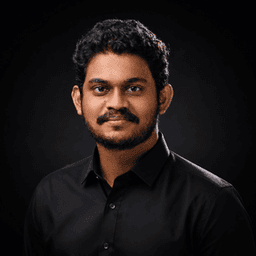
How Social Beat's Vikas Chawla Built a 2500 Cr Agency

How Social Beat's Vikas Chawla Built a 2500 Cr Agency

How Social Beat's Vikas Chawla Built a 2500 Cr Agency

Most agencies in 2012 chased Mumbai and Delhi. Vikas Chawla set up shop in Chennai. Most agencies organized around creative departments. Social Beat became media-first. Most agencies pivoted frantically with every platform update. Chawla built businesses that complemented each other, three bootstrapped ventures that turned Social Beat into more than just another digital shop.

Fourteen years later, Social Beat manages 300+ brands with 540 people across India, Southeast Asia, and the Middle East, delivering ₹2500 crores in media spends. But the contrarian bets that got them here reveal something more interesting than scale: a framework for building agencies that thrive when others just survive.

The Chennai Gamble: Why Starting Outside the Hub Actually Worked

When Vikas Chawla and Suneil Chawla founded Social Beat in 2012, the conventional wisdom was clear: serious agencies belonged in Mumbai or Delhi. The advertising capital and the policy capital. That's where the clients were, that's where the talent pooled, that's where deals got done over lunch.

Chawla picked Chennai instead.

"The decision to start in Chennai was more from a zone of comfort," Vikas explains. "Me and Suneil both come from Chennai. We studied here, worked here. We also went out, I studied in the UK and worked in Germany, Suneil worked across Singapore and US. But Chennai is still home, still where our friends are."

The choice wasn't naive, it was calculated. Strong alumni networks meant easier access to initial clients. Lower talent costs meant better unit economics. And Chennai's culture of humility shaped the organizational DNA in ways that became competitive advantages later.

But it wasn't without friction. "Chennai was a hurdle at some points," Vikas admits. "One hurdle was definitely the perception, can an agency out of Chennai actually deliver world-class value? In the first two, three years it didn't matter because we were just scaling. But after that, we wouldn't really highlight where we're from. We'd say we're a pan-India company with offices in Chennai and Bangalore. Today we can own it and say we're from Chennai, but it wasn't always a strength you could highlight."

The geographic arbitrage paid off in retention and culture. Many of Social Beat's Chennai hires eventually led offices in Bangalore, Mumbai, and Delhi, spreading that foundational culture across geographies. The initial disadvantage became a differentiator: an agency that didn't think or operate like the typical Mumbai creative shop or Delhi policy-whisperer network.

Media-First, Not Creative-First: The Structural Bet That Changed Everything

While traditional agencies organized around creative departments with media planning as support infrastructure, Social Beat inverted the hierarchy. They built a media-first shop where creative existed to enable performance, not the other way around.

"Our entire business is built on media," Vikas explains. "Clients come to us primarily for media. They obviously want creative as well, but we are fundamentally a media-first shop. Creative is extremely important, but it's an enabler of media. That's a very different DNA."

This wasn't philosophical positioning, it was structural reality. Social Beat's partnerships reflected the media-first thesis: Google Premier Partner, Meta Business Partner, Amazon Ads Partner, Salesforce Marketing Cloud Partner. These weren't vanity badges; they were integrated technical capabilities that allowed the agency to architect campaigns where media strategy dictated creative requirements, not the reverse.

The media-first approach also shaped what kind of talent Social Beat hired and how they organized teams. "In Mumbai there's a much larger pool of creative talent," Vikas notes. "In Bangalore there's a much larger pool of folks that look at growth and understand GTM better. We didn't start opening offices for talent diversification, it was for client proximity, but that's helped us build different strength pockets."

From Facebook Page Likes to Full-Funnel Attribution: The Metrics Evolution

In 2012, digital marketing metrics were laughably superficial. Brands wanted Facebook page followers. They tracked YouTube views. Engagement meant likes and comments, not conversions or LTV.

"Back then you couldn't really show that what you were doing on Facebook or YouTube was translating into sales or even brand consideration," Vikas recalls. "A lot of brands wanted to grow page followers on Facebook. We had this thing where we'd run Facebook ads to drive users to a page tab on Facebook. That was considered success."

Social Beat's evolution mirrors the industry's maturation. As platforms introduced better attribution tools and clients demanded clearer ROI, agencies had to prove performance rather than just promise awareness. "We always maintained that performance media or sales-driven media is one part of the funnel," Vikas explains. "The top and mid-funnel awareness piece is critical. What we've seen work is that brands that invest in both, that invest in building brand awareness, consideration, and performance, those are the ones that continue to see sustained growth."

This full-funnel approach became Social Beat's positioning wedge: neither a pure performance shop obsessed with ROAS nor a brand agency allergic to spreadsheets. They operated in the messy middle where awareness campaigns had to justify themselves with business outcomes and conversion campaigns needed brand context to work efficiently.

The Complementary Business Model: Why Influencer.in and D2Scale Weren't Distractions

Most agencies that attempt product diversification fail. The business models conflict, the talent requirements diverge, the focus fractures. Vikas built three separate businesses, and they strengthened rather than diluted Social Beat.

Influencer.in, India's largest influencer marketing network with 800,000+ verified creators, emerged from a client need that agencies couldn't solve well. "We were doing influencer marketing for clients through Social Beat, but we realized the infrastructure didn't exist, discovery was fragmented, contracting was messy, measurement was impossible. So we built Influencer.in as a separate business."

The separation was strategic. Influencer.in became a product with its own P&L, its own team, its own roadmap, but it fed Social Beat with capabilities that traditional agencies couldn't match. When clients wanted integrated campaigns spanning paid media, organic content, and creator partnerships, Social Beat could orchestrate end-to-end rather than cobbling together vendor relationships.

D2Scale, the e-commerce growth business, followed similar logic. "It's a similar approach, we saw the need for specialized D2C growth capabilities that went beyond what typical agencies offered. Building it as a standalone business let us go deeper on that vertical."

The pattern reveals Chawla's agency-building philosophy: identify capability gaps that clients pay for, build them as separate businesses with dedicated teams, then integrate them strategically when clients need full-stack solutions. It's the opposite of the typical agency conglomerate that acquires unrelated businesses for scale.

The AI Transformation: Business Strategy and Creative Strategy as Moats

When asked about AI's impact on agency models, Vikas doesn't dodge or downplay. "If 70-80% of what we do gets automated tomorrow, it will be a challenge," he admits. "But we've been preparing for this for about a year now."

Social Beat's AI strategy isn't about resistance, it's about repositioning. As tactical execution gets automated, the agency is shifting headcount and capabilities toward two areas: business strategy and creative strategy.

"The business understanding is an important part of this puzzle," Vikas explains. "The agents and tools can help you get to where you want to get, but the deeper understanding of the business, brand, competitive landscape, amazing work still comes from human beings, humans being in the loop with AI."

The org design reflects this thesis. Social Beat isn't replacing talent in roles likely to get disrupted by automation. Instead, they're reallocating those resources to business strategists who understand client categories deeply and creative strategists who can direct AI tools rather than compete with them.

This is where creative intelligence platforms like Hawky.ai become infrastructure rather than luxury. If AI can execute media plans and generate creative variations at scale, the competitive advantage shifts to agencies that can feed better strategic inputs, that understand which creative hypotheses to test, which audience narratives resonate, which brand positions create pricing power.

"We've been strengthening business strategy and creative strategy," Vikas notes. "As the business grows, we keep adding there."

Key Takeaways: The Contrarian Agency Playbook

  • Geographic arbitrage isn't just about cost: Starting in Chennai gave Social Beat talent retention, cultural DNA, and operational advantages that couldn't be replicated in Mumbai or Delhi

  • Media-first architecture creates structural differentiation: Organizing around media strategy with creative as enabler, not decoration, changes what kind of work you win and how efficiently you deliver it

  • Full-funnel beats pure performance or pure brand: The agencies winning in 2026 don't choose between awareness and conversion, they architect systems where both work together

  • Complementary businesses beat unrelated diversification: Influencer.in and D2Scale strengthened Social Beat because they solved real client problems, not because they created holding company synergies

  • AI preparation means talent reallocation, not talent replacement: The agency winners will be those who shifted resources to business strategy and creative strategy before automation forced their hand
Most agencies in 2012 chased Mumbai and Delhi. Vikas Chawla set up shop in Chennai. Most agencies organized around creative departments. Social Beat became media-first. Most agencies pivoted frantically with every platform update. Chawla built businesses that complemented each other, three bootstrapped ventures that turned Social Beat into more than just another digital shop.

Fourteen years later, Social Beat manages 300+ brands with 540 people across India, Southeast Asia, and the Middle East, delivering ₹2500 crores in media spends. But the contrarian bets that got them here reveal something more interesting than scale: a framework for building agencies that thrive when others just survive.

The Chennai Gamble: Why Starting Outside the Hub Actually Worked

When Vikas Chawla and Suneil Chawla founded Social Beat in 2012, the conventional wisdom was clear: serious agencies belonged in Mumbai or Delhi. The advertising capital and the policy capital. That's where the clients were, that's where the talent pooled, that's where deals got done over lunch.

Chawla picked Chennai instead.

"The decision to start in Chennai was more from a zone of comfort," Vikas explains. "Me and Suneil both come from Chennai. We studied here, worked here. We also went out, I studied in the UK and worked in Germany, Suneil worked across Singapore and US. But Chennai is still home, still where our friends are."

The choice wasn't naive, it was calculated. Strong alumni networks meant easier access to initial clients. Lower talent costs meant better unit economics. And Chennai's culture of humility shaped the organizational DNA in ways that became competitive advantages later.

But it wasn't without friction. "Chennai was a hurdle at some points," Vikas admits. "One hurdle was definitely the perception, can an agency out of Chennai actually deliver world-class value? In the first two, three years it didn't matter because we were just scaling. But after that, we wouldn't really highlight where we're from. We'd say we're a pan-India company with offices in Chennai and Bangalore. Today we can own it and say we're from Chennai, but it wasn't always a strength you could highlight."

The geographic arbitrage paid off in retention and culture. Many of Social Beat's Chennai hires eventually led offices in Bangalore, Mumbai, and Delhi, spreading that foundational culture across geographies. The initial disadvantage became a differentiator: an agency that didn't think or operate like the typical Mumbai creative shop or Delhi policy-whisperer network.

Media-First, Not Creative-First: The Structural Bet That Changed Everything

While traditional agencies organized around creative departments with media planning as support infrastructure, Social Beat inverted the hierarchy. They built a media-first shop where creative existed to enable performance, not the other way around.

"Our entire business is built on media," Vikas explains. "Clients come to us primarily for media. They obviously want creative as well, but we are fundamentally a media-first shop. Creative is extremely important, but it's an enabler of media. That's a very different DNA."

This wasn't philosophical positioning, it was structural reality. Social Beat's partnerships reflected the media-first thesis: Google Premier Partner, Meta Business Partner, Amazon Ads Partner, Salesforce Marketing Cloud Partner. These weren't vanity badges; they were integrated technical capabilities that allowed the agency to architect campaigns where media strategy dictated creative requirements, not the reverse.

The media-first approach also shaped what kind of talent Social Beat hired and how they organized teams. "In Mumbai there's a much larger pool of creative talent," Vikas notes. "In Bangalore there's a much larger pool of folks that look at growth and understand GTM better. We didn't start opening offices for talent diversification, it was for client proximity, but that's helped us build different strength pockets."

From Facebook Page Likes to Full-Funnel Attribution: The Metrics Evolution

In 2012, digital marketing metrics were laughably superficial. Brands wanted Facebook page followers. They tracked YouTube views. Engagement meant likes and comments, not conversions or LTV.

"Back then you couldn't really show that what you were doing on Facebook or YouTube was translating into sales or even brand consideration," Vikas recalls. "A lot of brands wanted to grow page followers on Facebook. We had this thing where we'd run Facebook ads to drive users to a page tab on Facebook. That was considered success."

Social Beat's evolution mirrors the industry's maturation. As platforms introduced better attribution tools and clients demanded clearer ROI, agencies had to prove performance rather than just promise awareness. "We always maintained that performance media or sales-driven media is one part of the funnel," Vikas explains. "The top and mid-funnel awareness piece is critical. What we've seen work is that brands that invest in both, that invest in building brand awareness, consideration, and performance, those are the ones that continue to see sustained growth."

This full-funnel approach became Social Beat's positioning wedge: neither a pure performance shop obsessed with ROAS nor a brand agency allergic to spreadsheets. They operated in the messy middle where awareness campaigns had to justify themselves with business outcomes and conversion campaigns needed brand context to work efficiently.

The Complementary Business Model: Why Influencer.in and D2Scale Weren't Distractions

Most agencies that attempt product diversification fail. The business models conflict, the talent requirements diverge, the focus fractures. Vikas built three separate businesses, and they strengthened rather than diluted Social Beat.

Influencer.in, India's largest influencer marketing network with 800,000+ verified creators, emerged from a client need that agencies couldn't solve well. "We were doing influencer marketing for clients through Social Beat, but we realized the infrastructure didn't exist, discovery was fragmented, contracting was messy, measurement was impossible. So we built Influencer.in as a separate business."

The separation was strategic. Influencer.in became a product with its own P&L, its own team, its own roadmap, but it fed Social Beat with capabilities that traditional agencies couldn't match. When clients wanted integrated campaigns spanning paid media, organic content, and creator partnerships, Social Beat could orchestrate end-to-end rather than cobbling together vendor relationships.

D2Scale, the e-commerce growth business, followed similar logic. "It's a similar approach, we saw the need for specialized D2C growth capabilities that went beyond what typical agencies offered. Building it as a standalone business let us go deeper on that vertical."

The pattern reveals Chawla's agency-building philosophy: identify capability gaps that clients pay for, build them as separate businesses with dedicated teams, then integrate them strategically when clients need full-stack solutions. It's the opposite of the typical agency conglomerate that acquires unrelated businesses for scale.

The AI Transformation: Business Strategy and Creative Strategy as Moats

When asked about AI's impact on agency models, Vikas doesn't dodge or downplay. "If 70-80% of what we do gets automated tomorrow, it will be a challenge," he admits. "But we've been preparing for this for about a year now."

Social Beat's AI strategy isn't about resistance, it's about repositioning. As tactical execution gets automated, the agency is shifting headcount and capabilities toward two areas: business strategy and creative strategy.

"The business understanding is an important part of this puzzle," Vikas explains. "The agents and tools can help you get to where you want to get, but the deeper understanding of the business, brand, competitive landscape, amazing work still comes from human beings, humans being in the loop with AI."

The org design reflects this thesis. Social Beat isn't replacing talent in roles likely to get disrupted by automation. Instead, they're reallocating those resources to business strategists who understand client categories deeply and creative strategists who can direct AI tools rather than compete with them.

This is where creative intelligence platforms like Hawky.ai become infrastructure rather than luxury. If AI can execute media plans and generate creative variations at scale, the competitive advantage shifts to agencies that can feed better strategic inputs, that understand which creative hypotheses to test, which audience narratives resonate, which brand positions create pricing power.

"We've been strengthening business strategy and creative strategy," Vikas notes. "As the business grows, we keep adding there."

Key Takeaways: The Contrarian Agency Playbook

  • Geographic arbitrage isn't just about cost: Starting in Chennai gave Social Beat talent retention, cultural DNA, and operational advantages that couldn't be replicated in Mumbai or Delhi

  • Media-first architecture creates structural differentiation: Organizing around media strategy with creative as enabler, not decoration, changes what kind of work you win and how efficiently you deliver it

  • Full-funnel beats pure performance or pure brand: The agencies winning in 2026 don't choose between awareness and conversion, they architect systems where both work together

  • Complementary businesses beat unrelated diversification: Influencer.in and D2Scale strengthened Social Beat because they solved real client problems, not because they created holding company synergies

  • AI preparation means talent reallocation, not talent replacement: The agency winners will be those who shifted resources to business strategy and creative strategy before automation forced their hand
Most agencies in 2012 chased Mumbai and Delhi. Vikas Chawla set up shop in Chennai. Most agencies organized around creative departments. Social Beat became media-first. Most agencies pivoted frantically with every platform update. Chawla built businesses that complemented each other, three bootstrapped ventures that turned Social Beat into more than just another digital shop.

Fourteen years later, Social Beat manages 300+ brands with 540 people across India, Southeast Asia, and the Middle East, delivering ₹2500 crores in media spends. But the contrarian bets that got them here reveal something more interesting than scale: a framework for building agencies that thrive when others just survive.

The Chennai Gamble: Why Starting Outside the Hub Actually Worked

When Vikas Chawla and Suneil Chawla founded Social Beat in 2012, the conventional wisdom was clear: serious agencies belonged in Mumbai or Delhi. The advertising capital and the policy capital. That's where the clients were, that's where the talent pooled, that's where deals got done over lunch.

Chawla picked Chennai instead.

"The decision to start in Chennai was more from a zone of comfort," Vikas explains. "Me and Suneil both come from Chennai. We studied here, worked here. We also went out, I studied in the UK and worked in Germany, Suneil worked across Singapore and US. But Chennai is still home, still where our friends are."

The choice wasn't naive, it was calculated. Strong alumni networks meant easier access to initial clients. Lower talent costs meant better unit economics. And Chennai's culture of humility shaped the organizational DNA in ways that became competitive advantages later.

But it wasn't without friction. "Chennai was a hurdle at some points," Vikas admits. "One hurdle was definitely the perception, can an agency out of Chennai actually deliver world-class value? In the first two, three years it didn't matter because we were just scaling. But after that, we wouldn't really highlight where we're from. We'd say we're a pan-India company with offices in Chennai and Bangalore. Today we can own it and say we're from Chennai, but it wasn't always a strength you could highlight."

The geographic arbitrage paid off in retention and culture. Many of Social Beat's Chennai hires eventually led offices in Bangalore, Mumbai, and Delhi, spreading that foundational culture across geographies. The initial disadvantage became a differentiator: an agency that didn't think or operate like the typical Mumbai creative shop or Delhi policy-whisperer network.

Media-First, Not Creative-First: The Structural Bet That Changed Everything

While traditional agencies organized around creative departments with media planning as support infrastructure, Social Beat inverted the hierarchy. They built a media-first shop where creative existed to enable performance, not the other way around.

"Our entire business is built on media," Vikas explains. "Clients come to us primarily for media. They obviously want creative as well, but we are fundamentally a media-first shop. Creative is extremely important, but it's an enabler of media. That's a very different DNA."

This wasn't philosophical positioning, it was structural reality. Social Beat's partnerships reflected the media-first thesis: Google Premier Partner, Meta Business Partner, Amazon Ads Partner, Salesforce Marketing Cloud Partner. These weren't vanity badges; they were integrated technical capabilities that allowed the agency to architect campaigns where media strategy dictated creative requirements, not the reverse.

The media-first approach also shaped what kind of talent Social Beat hired and how they organized teams. "In Mumbai there's a much larger pool of creative talent," Vikas notes. "In Bangalore there's a much larger pool of folks that look at growth and understand GTM better. We didn't start opening offices for talent diversification, it was for client proximity, but that's helped us build different strength pockets."

From Facebook Page Likes to Full-Funnel Attribution: The Metrics Evolution

In 2012, digital marketing metrics were laughably superficial. Brands wanted Facebook page followers. They tracked YouTube views. Engagement meant likes and comments, not conversions or LTV.

"Back then you couldn't really show that what you were doing on Facebook or YouTube was translating into sales or even brand consideration," Vikas recalls. "A lot of brands wanted to grow page followers on Facebook. We had this thing where we'd run Facebook ads to drive users to a page tab on Facebook. That was considered success."

Social Beat's evolution mirrors the industry's maturation. As platforms introduced better attribution tools and clients demanded clearer ROI, agencies had to prove performance rather than just promise awareness. "We always maintained that performance media or sales-driven media is one part of the funnel," Vikas explains. "The top and mid-funnel awareness piece is critical. What we've seen work is that brands that invest in both, that invest in building brand awareness, consideration, and performance, those are the ones that continue to see sustained growth."

This full-funnel approach became Social Beat's positioning wedge: neither a pure performance shop obsessed with ROAS nor a brand agency allergic to spreadsheets. They operated in the messy middle where awareness campaigns had to justify themselves with business outcomes and conversion campaigns needed brand context to work efficiently.

The Complementary Business Model: Why Influencer.in and D2Scale Weren't Distractions

Most agencies that attempt product diversification fail. The business models conflict, the talent requirements diverge, the focus fractures. Vikas built three separate businesses, and they strengthened rather than diluted Social Beat.

Influencer.in, India's largest influencer marketing network with 800,000+ verified creators, emerged from a client need that agencies couldn't solve well. "We were doing influencer marketing for clients through Social Beat, but we realized the infrastructure didn't exist, discovery was fragmented, contracting was messy, measurement was impossible. So we built Influencer.in as a separate business."

The separation was strategic. Influencer.in became a product with its own P&L, its own team, its own roadmap, but it fed Social Beat with capabilities that traditional agencies couldn't match. When clients wanted integrated campaigns spanning paid media, organic content, and creator partnerships, Social Beat could orchestrate end-to-end rather than cobbling together vendor relationships.

D2Scale, the e-commerce growth business, followed similar logic. "It's a similar approach, we saw the need for specialized D2C growth capabilities that went beyond what typical agencies offered. Building it as a standalone business let us go deeper on that vertical."

The pattern reveals Chawla's agency-building philosophy: identify capability gaps that clients pay for, build them as separate businesses with dedicated teams, then integrate them strategically when clients need full-stack solutions. It's the opposite of the typical agency conglomerate that acquires unrelated businesses for scale.

The AI Transformation: Business Strategy and Creative Strategy as Moats

When asked about AI's impact on agency models, Vikas doesn't dodge or downplay. "If 70-80% of what we do gets automated tomorrow, it will be a challenge," he admits. "But we've been preparing for this for about a year now."

Social Beat's AI strategy isn't about resistance, it's about repositioning. As tactical execution gets automated, the agency is shifting headcount and capabilities toward two areas: business strategy and creative strategy.

"The business understanding is an important part of this puzzle," Vikas explains. "The agents and tools can help you get to where you want to get, but the deeper understanding of the business, brand, competitive landscape, amazing work still comes from human beings, humans being in the loop with AI."

The org design reflects this thesis. Social Beat isn't replacing talent in roles likely to get disrupted by automation. Instead, they're reallocating those resources to business strategists who understand client categories deeply and creative strategists who can direct AI tools rather than compete with them.

This is where creative intelligence platforms like Hawky.ai become infrastructure rather than luxury. If AI can execute media plans and generate creative variations at scale, the competitive advantage shifts to agencies that can feed better strategic inputs, that understand which creative hypotheses to test, which audience narratives resonate, which brand positions create pricing power.

"We've been strengthening business strategy and creative strategy," Vikas notes. "As the business grows, we keep adding there."

Key Takeaways: The Contrarian Agency Playbook

  • Geographic arbitrage isn't just about cost: Starting in Chennai gave Social Beat talent retention, cultural DNA, and operational advantages that couldn't be replicated in Mumbai or Delhi

  • Media-first architecture creates structural differentiation: Organizing around media strategy with creative as enabler, not decoration, changes what kind of work you win and how efficiently you deliver it

  • Full-funnel beats pure performance or pure brand: The agencies winning in 2026 don't choose between awareness and conversion, they architect systems where both work together

  • Complementary businesses beat unrelated diversification: Influencer.in and D2Scale strengthened Social Beat because they solved real client problems, not because they created holding company synergies

  • AI preparation means talent reallocation, not talent replacement: The agency winners will be those who shifted resources to business strategy and creative strategy before automation forced their hand
Ready to Stop Guessing and Start Winning with Creative Intelligence?

Creative Intelligence for Performance Marketing

© 2025 Hawky AI, All rights reserved

Ready to Stop Guessing and Start Winning with Creative Intelligence?

Creative Intelligence for Performance Marketing

© 2025 Hawky AI, All rights reserved

Ready to Stop Guessing and Start Winning with Creative Intelligence?

Creative Intelligence for Performance Marketing

© 2025 Hawky AI, All rights reserved