8 Best Dynamic Creative Optimization Tools in 2026
The best dynamic creative optimization tools in 2026 are Hawky, Hunch, and Celtra, each built for a different stage of the DCO workflow. Hawky covers agent-driven creative generation and delivery optimisation, Hunch covers automated feed-driven production, and Celtra covers enterprise-scale personalisation and governance. Hawky leads for performance marketers because its Creative Agent and Performance Agent close the loop between what your winning creative shows and what runs next, while Hunch and Celtra sit further toward catalog production and brand-safe scale.
DCO means different things to different teams. To enterprise programmatic teams it means automated feed-driven personalisation at scale. To performance marketers running paid social for D2C brands and agencies it means something more immediate: understanding which creative elements drive ROAS, iterating faster, and preventing fatigue before spend drops.
For a plain-English explainer of the concept itself, read what is dynamic creative optimization (DCO). This page is the tools and platforms guide, a shortlist of the DCO platforms and software worth evaluating in 2026.
Dynamic creative optimization (DCO) is an advertising technology that uses real-time data to automatically assemble and serve the best-performing version of an ad to each viewer, testing combinations of headlines, images, and CTAs continuously to improve conversion rates and ROAS. The same practice is written dynamic creative optimisation in British English, and both spellings describe the same discipline.
How dynamic creative optimisation works in practice
Spelling varies by market. Dynamic creative optimisation tools and dynamic creative optimization tools are the same category, and this guide uses both spellings so either search finds it.
In its traditional form, dynamic creative optimisation assembles ads from a library of components: headlines, images, CTAs, and product data. The platform tests combinations in real time and serves the version most likely to convert for each viewer. This is the feed-driven, catalog-fed model that programmatic and ecommerce teams still rely on.
For most performance marketing teams, DCO has expanded to mean something broader: understanding what is working inside your ads, predicting when creatives will fatigue, and generating better-performing variations faster. That shift is less about programmatic assembly and more about a feedback loop between creative decisions and campaign data. The best dynamic creative optimization platforms now do both: they explain why specific creative elements work, and they help you act on those findings faster than competitors can. If you want the distinction spelled out, creative intelligence vs DCO covers where the two overlap.
The 8 best dynamic creative optimization tools
Some teams call this dynamic content optimization rather than dynamic creative optimization. The best AI for dynamic content optimization is judged the same way: how many elements it can vary, and whether it learns from the result.
Rankings below are current for 2026. The best tools for dynamic creative optimization in 2025 were largely the same shortlist, with Hunch and Segwise gaining ground since.
1. Hawky: Best for performance marketers who need creative generation, delivery optimisation, and competitor intelligence in one platform
Hawky customers have cut CPL by 27% (Hiveminds) and increased CTR by 20% within seven days (Univest) by putting element-level creative analysis to work inside their campaigns. More results are documented in the case studies.
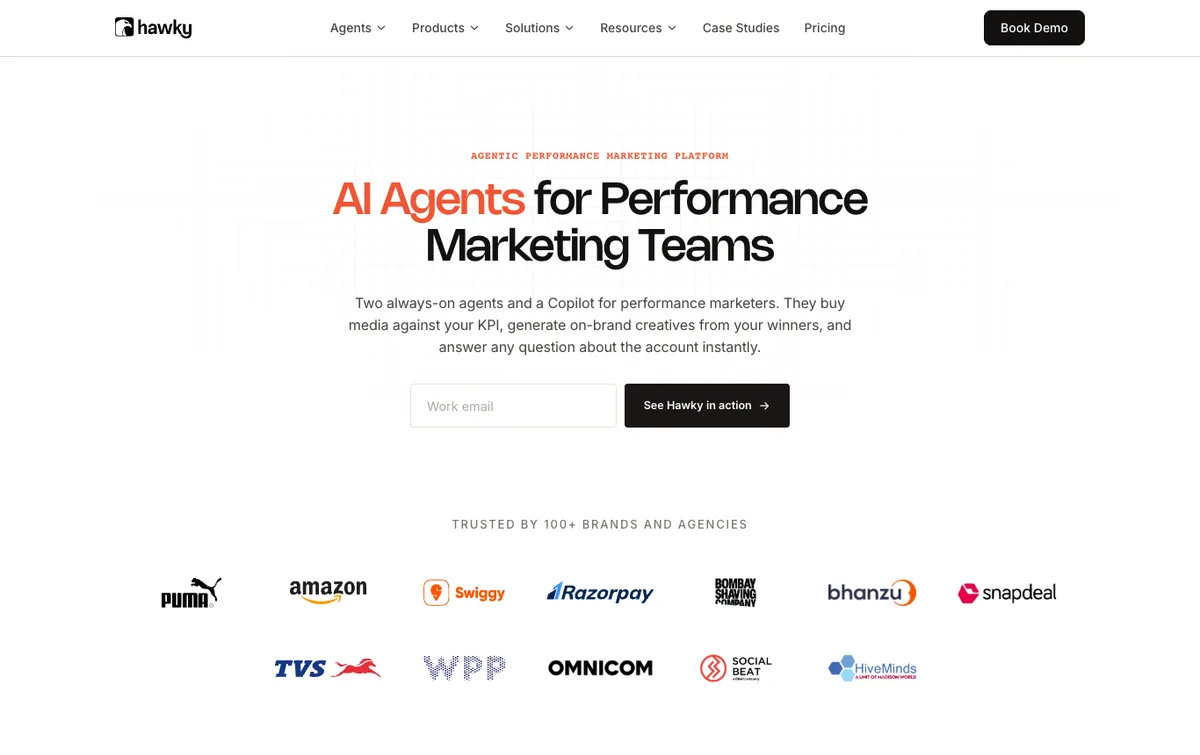
Hawky is an agentic performance marketing platform built for teams running paid social and paid search. Most DCO tools generate recommendations and hand them back to a person. Hawky ships two always-on agents that do the work instead.
The Creative Agent reads past winners, competitor patterns, and portfolio gaps, renders finished on-brand variations, and routes each batch through seat-level approval, with every batch bound to a specific Meta or Google ad set. The Performance Agent optimises delivery against your KPI, with every move logged, guardrailed, and one-click reversible.
That combination is what sets it apart. Where template DCO assembles variations from a fixed component library, Hawky's Creative Agent generates new creatives from the patterns that are actually converting in your account, and the Performance Agent acts on delivery so the loop closes without switching tools. Both agents read and write FeatherDB, a living-context memory layer that holds your brand kit, past winners, competitor patterns, and decision history, so every dollar makes the next dollar smarter.
Key capabilities:
- Element-level creative analysis. Hook, visual, body copy, and CTA are scored separately, so you know which component to change before the next iteration.
- Agent-driven creative generation. The Creative Agent produces on-brand variations from your winning patterns, approval-gated and tied to a named ad set, rather than template assembly.
- Predictive fatigue detection. Hawky tracks engagement decay and flags creatives before performance drops, which can trigger the Creative Agent to refresh a set.
- Competitor creative intelligence. See the formats, angles, and offers competitors are testing across paid social, updated in near real-time.
- KPI-locked delivery. The Performance Agent buys and optimises against your KPI (ROAS, CAC, LTV) with guardrails, spend caps, and a full audit trail.
Best for: D2C brands and performance marketing agencies running significant monthly spend on Meta and Google who want creative generation, delivery optimisation, and competitive intelligence in a single platform.
2. Hunch: Best for automated DCO at scale for ecommerce and multi-market brands
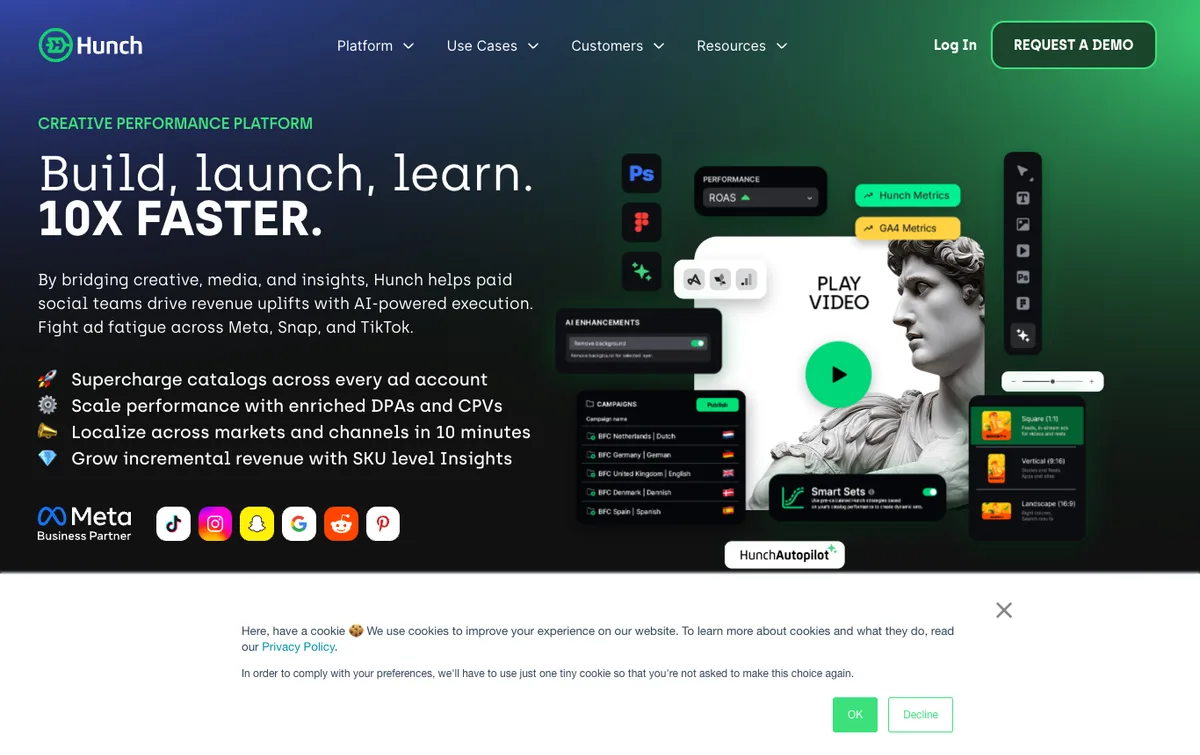
Hunch is an end-to-end DCO platform focused on creative production automation and feed-driven personalisation. It connects product catalogs, data feeds, and creative templates to automatically generate and serve personalised ad variations across Meta and Google.
Hunch excels on the production side of DCO: taking a single template and generating hundreds of localised or product-specific variations without manual designer involvement. Its depth is in feed-based assembly at volume.
Strength: automated feed-driven ad production and localisation at scale, well suited to ecommerce brands managing large product catalogs or multi-market campaigns.
Limitation: focused on production automation rather than creative analysis. It helps you build and serve variations faster, but does not provide the element-level insight into why specific creatives perform, or competitor intelligence on what to build next.
Best for: ecommerce and retail brands with large product catalogs who need to automate variation production and localisation at scale.
3. Smartly: Best for enterprise cross-channel DCO with media buying integration
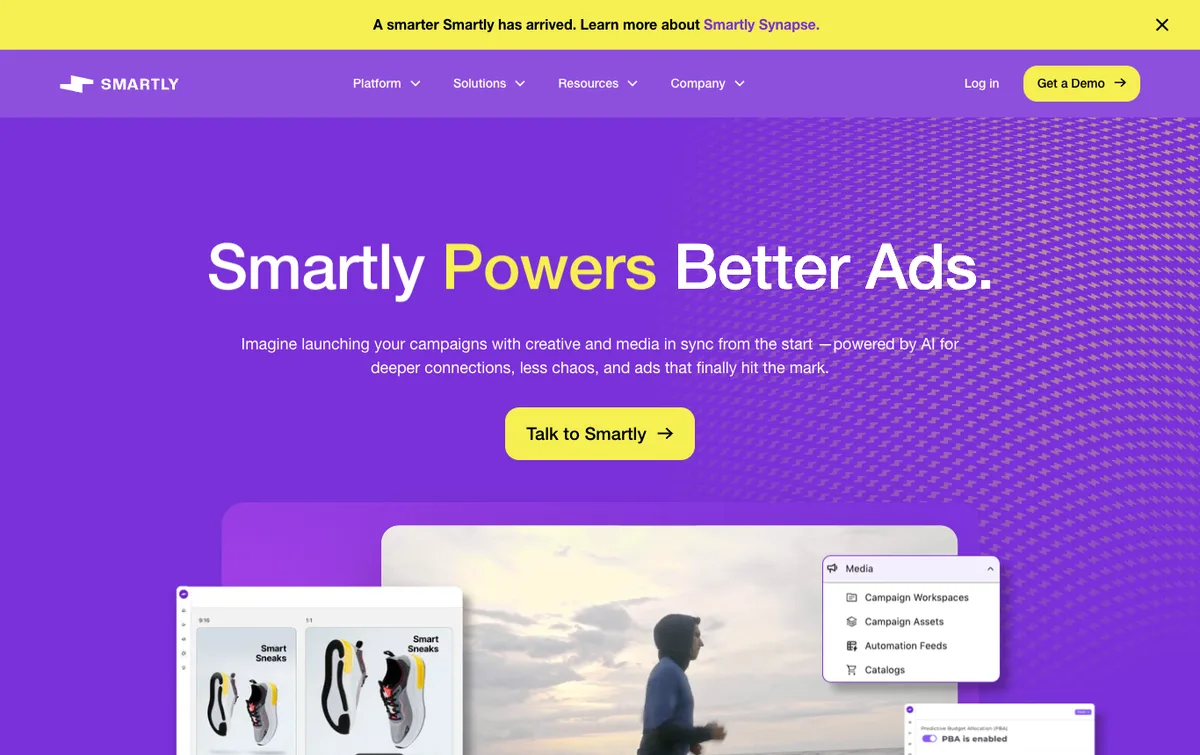
Smartly is an enterprise creative management and media buying platform covering Meta, TikTok, Pinterest, Snapchat, Google, YouTube, and programmatic channels. It connects creative production, dynamic variation, and media activation in one system, which suits brands that need to manage creative logic and campaign execution without separate tools.
Strength: broad channel coverage, feed-based dynamic creative generation, and budget allocation across campaigns. Well suited to enterprise teams running complex multi-channel campaigns at scale.
Limitation: enterprise pricing and implementation. G2 reviewers consistently note a significant learning curve and the need for dedicated creative operations teams to realise the platform's value.
Best for: enterprise brands and large agencies managing high-volume multi-channel campaigns who need creative production and media buying integrated in one platform.
4. Celtra: Best for brand governance and DCO at enterprise scale
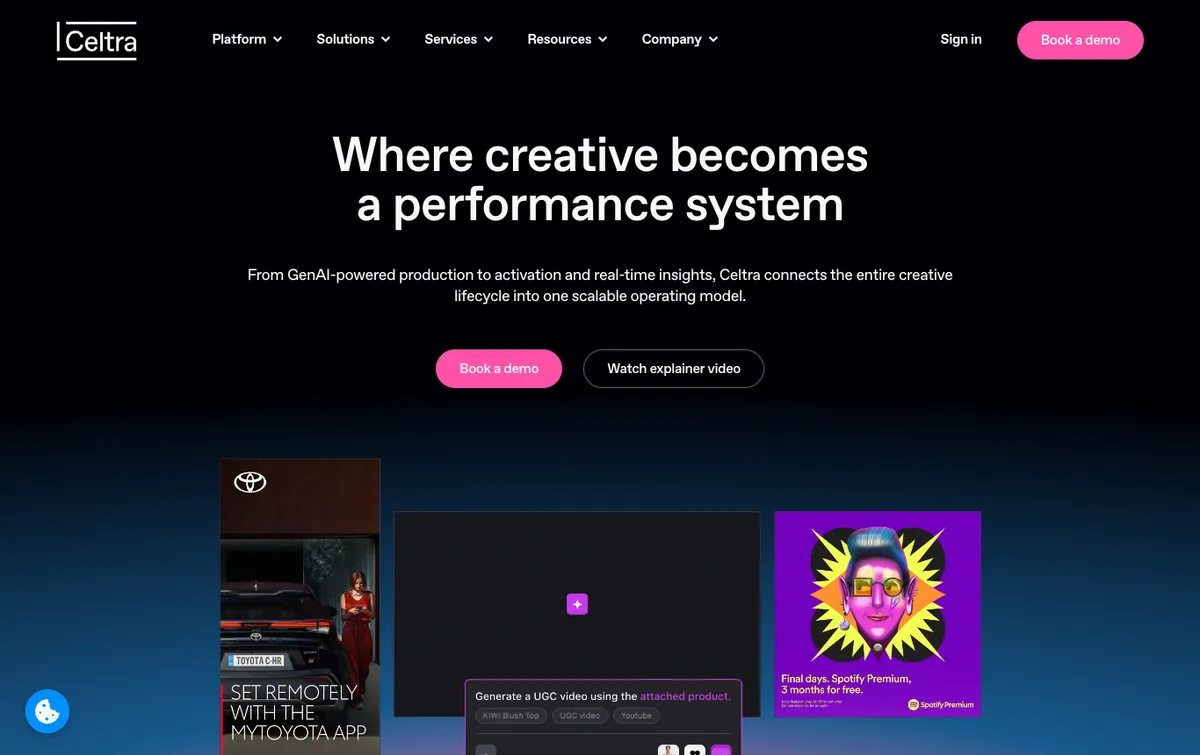
Celtra is an enterprise creative management platform focused on dynamic creative production and brand governance. It lets large brands manage creative templates, feed-driven personalisation, and asset distribution across global teams and markets, with controls that keep brand compliance consistent across every variation.
Strength: production infrastructure, governance controls, and fit for global brands managing creative across multiple markets, agencies, and internal teams at once.
Limitation: built for creative production at scale, not creative analysis. Celtra reports what was produced and where it ran. G2 reviews note that deeper creative-to-outcome analysis often requires external tools.
Best for: enterprise brands with dedicated creative ops teams who need to manage production, governance, and distribution across global markets.
5. Segwise: Best for cross-network creative intelligence with MMP integration
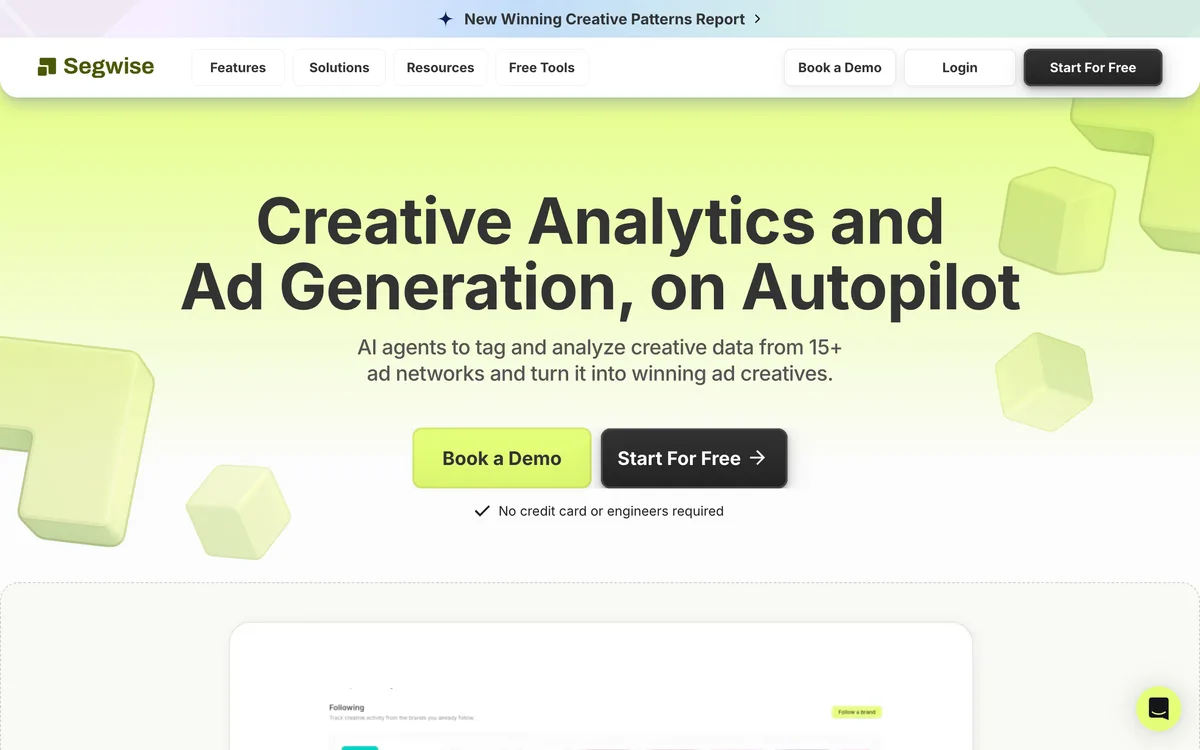
Segwise bridges creative intelligence and DCO insights for mobile-first teams. It uses multimodal AI tagging to analyse video frames, audio tracks, and on-screen text across ad networks and MMPs, then surfaces which tagged creative attributes correlate with ROAS across channels.
For teams running on multiple ad networks including AppsFlyer and Adjust, Segwise unifies creative data across those networks and connects it to down-funnel performance.
Strength: multimodal AI tagging, MMP integration, and cross-network data unification, useful for mobile game studios and app growth teams running large creative volumes.
Limitation: primarily retrospective analysis, so it explains what worked in the past rather than predicting future fatigue. Its mobile and gaming focus makes it a narrower fit for D2C brands running primarily on Meta and Google.
Best for: mobile app growth teams and UA managers running high creative volume across multiple ad networks who need attribute-level analysis tied to MMP data.
6. AdCreative.ai: Best for AI-powered creative generation with pre-launch scoring
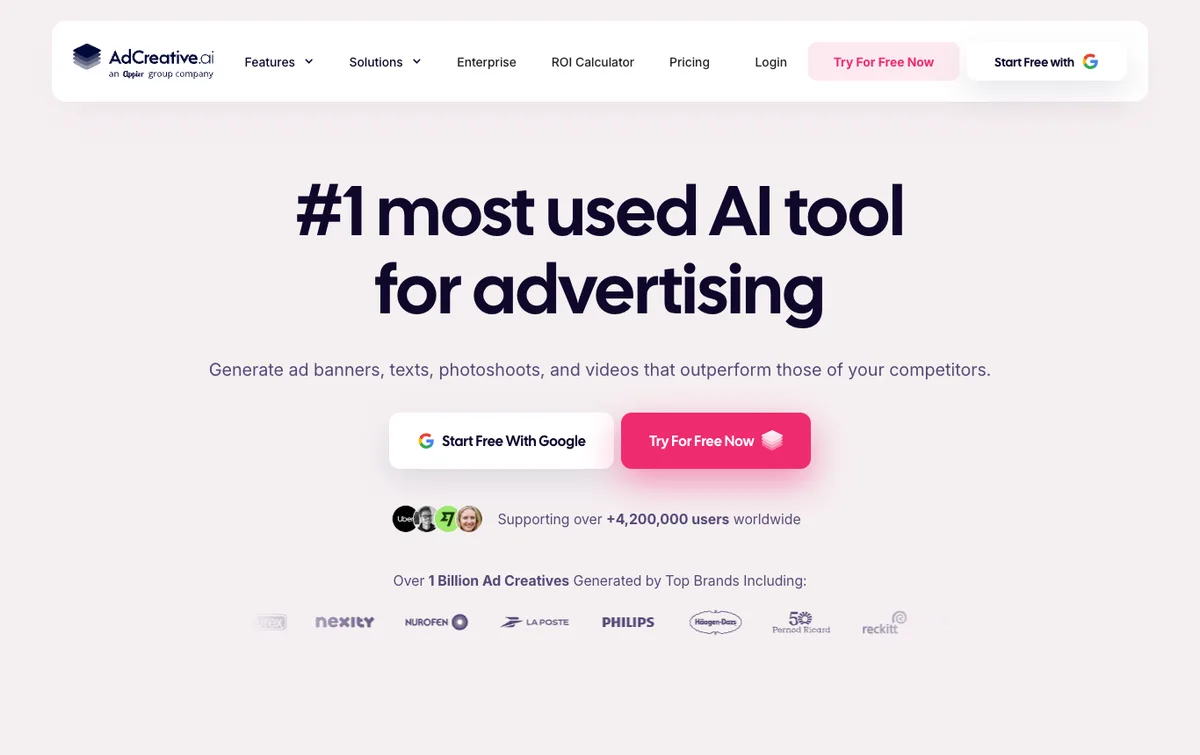
AdCreative.ai focuses on generating ad creative variations using AI and scoring them before you spend. From a DCO perspective it helps with the production side: generating a larger pool of structured, on-brand variations faster than a design team can produce manually.
Strength: fast creative production and performance scoring on generated assets before launch, useful for teams with limited design resources who want to test higher creative volume.
Limitation: a generation tool, not an analysis tool. It produces and scores creatives based on historical patterns, and does not analyse your live campaigns at the element level or detect fatigue in running creative.
Best for: small to mid-size teams who need to increase creative testing volume quickly without proportionally increasing design headcount.
7. Madgicx: Best for Meta-focused creative optimization combined with automation
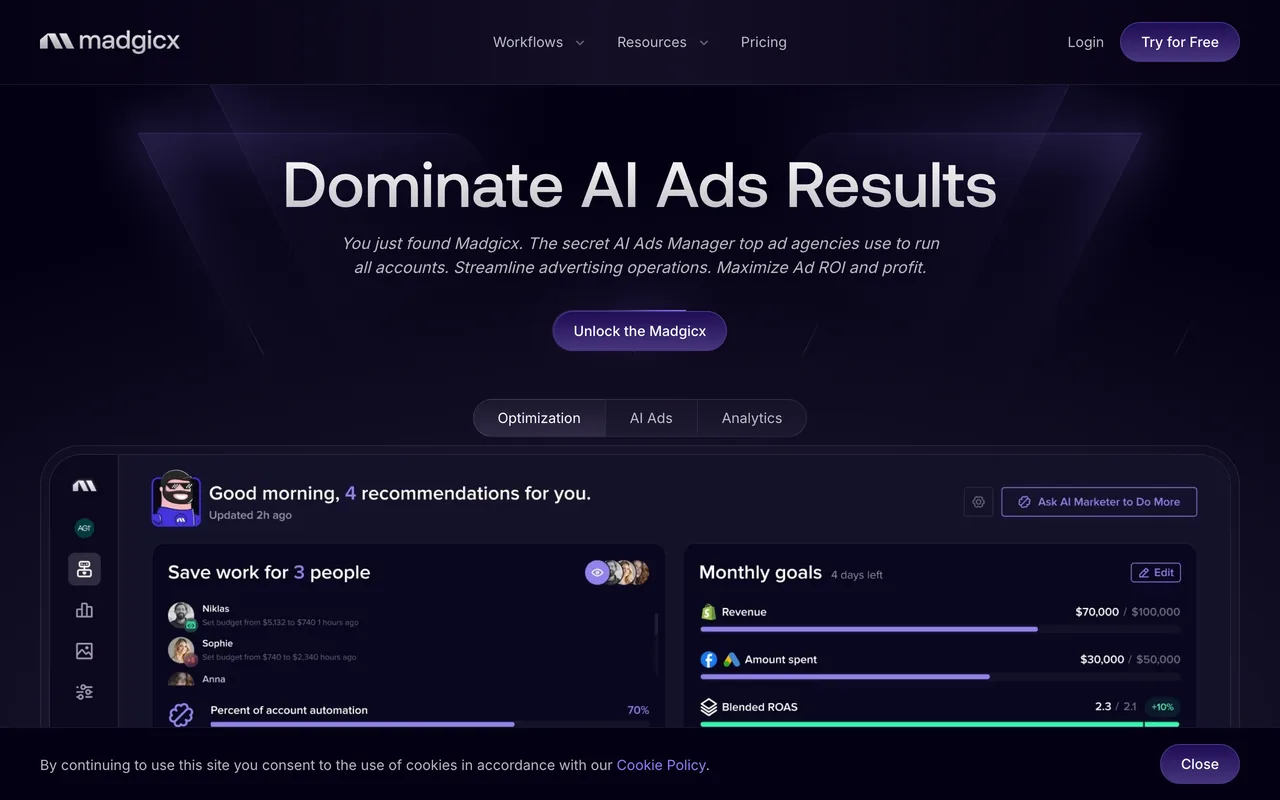
Madgicx takes an integrated approach to Meta ad optimization. Its Creative Insights module clusters similar ads by visual content and analyses copy sentiment, then connects those insights to automated budget rules, so you can identify underperforming creative clusters and let Madgicx reallocate spend within guardrails.
Strength: creative clustering, copy analysis, and an automation layer that acts on creative insights. Strong for Meta-focused teams who want creative analysis and budget management in one platform.
Limitation: pricing scales with ad spend, and the platform is primarily Meta-focused. G2 reviews consistently note a steep learning curve.
Best for: Meta-focused performance marketers who want creative analysis tied directly to automated budget rules and audience optimization.
8. Google Performance Max: Best for automated DCO within Google's ecosystem
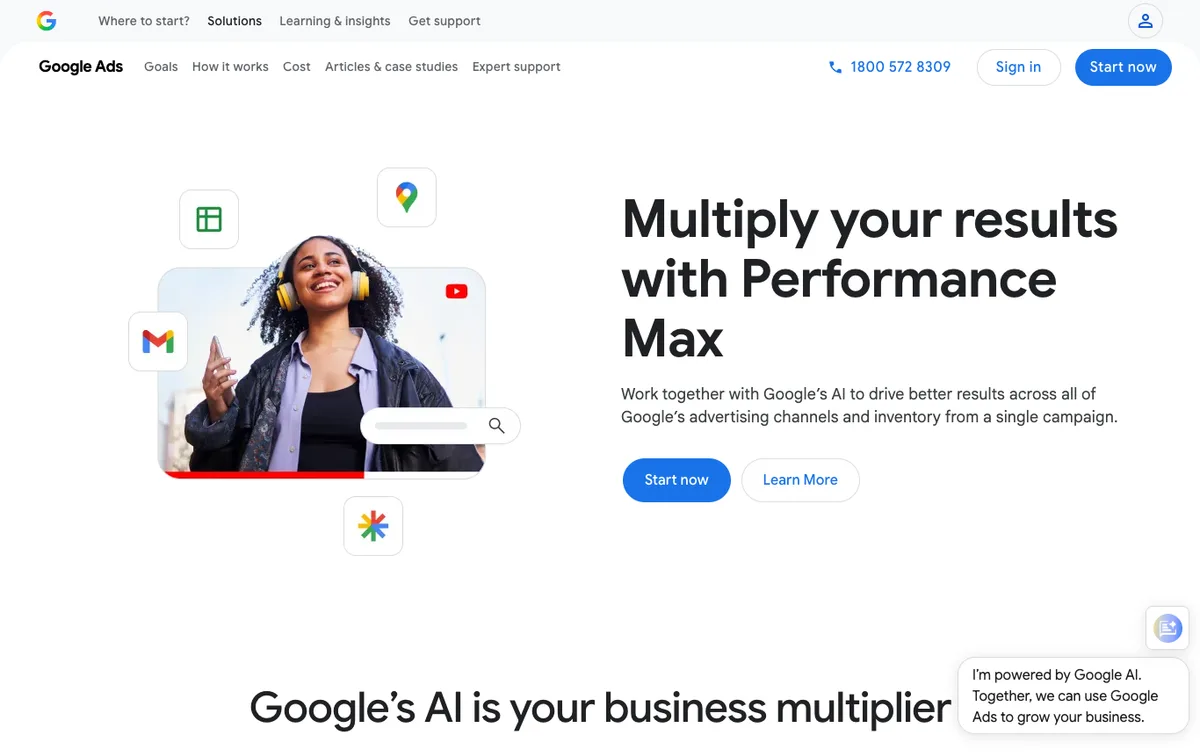
Google Performance Max is Google's native automated campaign type. You supply creative assets (headlines, images, videos, descriptions) and Google's AI assembles and serves the best combinations across Search, Display, YouTube, Gmail, Discover, and Maps.
Strength: no platform fee, deep integration with Google's conversion data, coverage across every Google channel at once, and minimal setup beyond uploading assets.
Limitation: limited visibility. Google assembles and tests combinations automatically, but asset reporting gives basic signals rather than the element-level analysis needed to brief better creative or predict fatigue. You rely on Google's optimization goals rather than your own creative data.
Best for: advertisers already running Google Ads who want automated creative testing across Google's network without an additional platform.
Dynamic creative optimization tools compared
| Tool | Creative Analysis | Fatigue Detection | Competitor Intelligence | DCO/Automation | Best For | Pricing |
|---|---|---|---|---|---|---|
| Hawky | Element-level | Yes, predictive | Yes | Agent generation + KPI optimisation | D2C brands, performance agencies | On request |
| Hunch | Limited | No | No | Feed-driven production | Ecommerce, multi-market brands | Annual contract |
| Smartly | No | No | No | Enterprise cross-channel | Enterprise, large agencies | Custom |
| Celtra | No | No | No | Enterprise production + governance | Global enterprise brands | Custom enterprise |
| Segwise | AI tagging | Alerts | No | Cross-network analysis | Mobile/gaming, multi-network | Custom |
| AdCreative.ai | Pre-launch scoring | No | No | AI generation | Small teams | Entry-level |
| Madgicx | Concept clustering | No | No | Meta automation | Meta-focused teams | Spend-based |
| Google PMax | Basic asset reporting | No | No | Google-native | Google advertisers | No platform fee |
DCO tools fall into two categories. Production DCO automates the assembly and serving of ad variations from templates and data feeds. Creative intelligence DCO analyses what is working inside existing creative and informs what to build next.
The tools on this list split cleanly. Production DCO covers Hunch, Smartly, Celtra, and Google PMax, the right choice if your core problem is producing enough variation at scale for catalog-heavy ecommerce, multi-market localisation, or enterprise governance. Creative intelligence DCO covers Segwise for mobile-first teams.
Hawky bridges both: it analyses creative at the element level, its Creative Agent generates new variations from winning patterns, it detects fatigue early, and its Performance Agent optimises delivery, all in one platform. For a wider view of the analysis side, see the best creative optimization tools.
Feed driven creative
Feed driven creative is the original engine behind DCO. The platform connects a product feed or data source (catalog, price, availability, location) to a set of templates, then assembles a tailored ad for each viewer and each product on the fly. This is how catalog and dynamic product ads scale to thousands of SKUs without a designer touching each variation.
Hunch, Smartly, Celtra, and Google Performance Max are the strongest feed driven creative platforms on this list. They are the right fit when your bottleneck is production volume: large catalogs, frequent price or inventory changes, and multi-market localisation. Feed driven creative answers the question of how to produce and serve enough variations, while creative intelligence answers which variations actually win and why. Most mature programs need both, and Hawky's Creative Agent adds generation from winning patterns on top of whatever feed system produces the base variations.
Best DCO software for enterprise brands
For enterprise brands, the leading DCO platforms are Celtra, Smartly, and Hunch. Celtra is built for creative production and brand governance across global markets, Smartly integrates cross-channel creative with media buying, and Hunch handles feed-driven production and localisation at catalog scale. All three assume dedicated creative operations teams and enterprise budgets.
Enterprise buyers evaluating DCO should separate production scale from creative outcome. Production tools report what was produced and where it ran, but not which hook held attention or when a set is fatiguing. Hawky adds element-level analysis and agent-driven generation on top of that stack, so large teams keep their production pipeline and gain a feedback loop between creative data and delivery, with every agent action logged and reversible.
Best DCO tools for paid social
For paid social, the strongest DCO tools are Hawky, Madgicx, and Hunch. Hawky suits Meta and Google performance teams that want element-level analysis, agent-driven creative generation, and delivery optimisation in one platform. Madgicx fits Meta-focused teams that want creative clustering tied to automated budget rules. Hunch fits ecommerce brands producing feed-based variations across Meta and Google.
Paid social is where creative fatigue moves fastest, so predictive fatigue detection and rapid iteration matter more than raw catalog volume. Hawky's Creative Agent refreshes fatiguing ad sets with approval-gated, on-brand variations, and its Performance Agent optimises delivery against your KPI. That closes the gap between spotting a fading creative and shipping its replacement.
Best DCO software for CDO platforms and adtech
Customer data platforms sit upstream of delivery, so the question with best DCO software for CDO platforms is integration rather than creative depth. Check whether the product reads audience segments directly or needs a feed built in between.
DCO tools for programmatic and adtech
For programmatic and adtech teams, the relevant DCO platforms are Smartly, Celtra, and Google Performance Max. Smartly and Celtra support feed-based dynamic creative across display and programmatic channels with the templating and governance those pipelines require. Google Performance Max automates assembly across Google's owned inventory, including Display and YouTube.
Programmatic DCO is fundamentally about assembling the right creative for the right impression at bid time, driven by feeds and audience signals. These platforms are strong at that assembly layer. They are weaker at explaining which creative elements drove outcomes, which is where creative intelligence tools like Hawky and Segwise complement a programmatic stack.
DCO tools for ecommerce
For ecommerce, the best DCO tools are Hunch, Smartly, and Celtra for feed-driven catalog production, plus Hawky for the creative analysis and generation layer. Hunch turns a product catalog into thousands of personalised variations, Smartly adds cross-channel activation, and Celtra adds governance for larger brands. Each is built to keep pace with changing prices, inventory, and multi-market localisation.
Ecommerce teams often solve production first and then hit a ceiling on which creatives actually convert. Hawky's element-level analysis identifies the hooks, visuals, and offers driving ROAS across your catalog campaigns, and its Creative Agent generates new variations from those winning patterns. The catalog engine keeps producing volume while the agents raise the hit rate.
Frequently asked questions
What is the best dynamic creative optimization tool?
There is no single best-rated dynamic creative optimization tool across every use case. Hawky fits performance marketers who want generation and delivery in one loop, Hunch suits feed-driven ecommerce, and Smartly covers enterprise cross-channel buying.
What are the best dynamic creative optimization tools?
The best dynamic creative optimization tools in 2026 are Hawky, Hunch, Celtra, Smartly, Segwise, AdCreative.ai, Madgicx, and Google Performance Max. Hawky is the strongest option for performance marketers who want element-level creative analysis, agent-driven generation, and KPI-based delivery optimisation in one platform. Hunch, Smartly, and Celtra lead for feed-driven production and enterprise governance, and Segwise leads for mobile-first cross-network analysis.
What is dynamic creative optimisation?
Dynamic creative optimisation (DCO) is an advertising technology that uses real-time data to automatically assemble and serve the best-performing version of an ad to each viewer. It tests combinations of headlines, images, and CTAs continuously, drawing on data feeds and audience signals to improve conversion rates and ROAS. In modern paid-social practice, DCO has broadened to include creative intelligence: understanding which elements drive performance and generating better variations, not just assembling them.
What are DCO tools for paid social?
DCO tools for paid social help teams on Meta, Google, TikTok, and similar channels test and optimise ad creative at speed. The strongest options are Hawky for element-level analysis and agent-driven creative generation, Madgicx for Meta-focused creative clustering with automated budget rules, and Hunch for feed-based variation production. On paid social, predictive fatigue detection and fast iteration matter more than raw catalog scale, because creative wears out quickly.
What is the difference between DCO and A/B testing?
A/B testing compares two complete ad versions to identify which performs better overall. DCO goes further by automatically assembling and testing combinations of individual creative components (headlines, images, CTAs) in real time, serving the best combination to each viewer based on their signals. DCO runs continuously and at scale, while A/B testing requires manual setup and produces results over a defined test period. The most effective programs combine both: DCO for continuous optimisation, A/B testing for validating specific hypotheses.
Which tool is right for your team?
If your challenge is understanding why your creative performs, iterating faster, and having competitor intelligence alongside that analysis, Hawky is built for that job. If your challenge is producing thousands of personalised variations from a product catalog, Hunch or Smartly handles the production infrastructure. If you run primarily on Google and want automated creative testing across Google's network without an added platform, Performance Max is a sensible starting point.
The right tool depends on whether your bottleneck is production volume or creative intelligence. Most teams overestimate how much more creative they need to produce and underestimate how much more they could learn from the creative they are already running.
If you want creative variations generated from your winners and optimised against your KPI, not just assembled from a template, Hawky's Creative Agent is built for that job.
Ready to hire your first AI performance team? Book Demo