What is the Founder message ad format?
Someone from inside the company speaks directly to camera. It appears in 4,205 of the 7,00,232 classified creatives in this library, run by 205 different advertisers.
Someone from inside the company, usually the founder, speaks directly to camera about why the product exists. The rarest video format in this library, because most brands are too big to use it and most founders too reluctant.
How it sits in the corpus
By volume this is the 19th largest of the 20 formats in the library: 1% of every classified creative carries it.
Only 205 of the 1,103 advertisers analysed (19%) run it at all, which makes it one of the less contested moves in the library: harder to execute, but with far less same-looking competition in the feed.
Where it is run, it is run lightly: an average of 21 creatives per advertiser, under the cross-format median of 49. Most brands use it for moments rather than as an always-on engine.
Its 89% video share is well above the corpus average of 64%: in practice this format has become motion-first, whatever the archetype says.
When to use it
Trust-led categories, or a brand small enough that a person is the differentiator.
It converts a company into a person who can be held to account. The viewer's calculus changes from 'is this brand lying' to 'is this person lying', which is a judgement humans are better calibrated for and more generous with. In trust-led categories, and for small brands, the founder is often the only genuinely un-copyable differentiator.
Anatomy of a good one
The structural parts a competent founder message always has, and what each is for.
Name and role on screen early. The format's claim is 'a real person stands behind this'; the identification is the claim.
The specific frustration or gap that started the company. Origin specifics are the credibility engine.
What was hard, what they got wrong first, who it is not for. One honest limitation buys belief for every other line.
Lens-eye contact, first person, second person. The grammar of a conversation, not a keynote.
An offer with the founder's name on it: reply to me, I read every message, my team will call you.
The product, the prototype or the workshop in frame with the person. Something concrete to point at keeps the message an explanation rather than a speech.
Craft rules
- 01
Write it as an explanation, not a pitch. The founder explaining a decision outperforms the founder selling an outcome.
- 02
Keep the founder's actual speech patterns; coaching out the awkwardness coaches out the evidence of authenticity.
- 03
Shoot where the work happens. The workshop or the office says more than a set.
- 04
Be concrete about the origin: the date, the incident, the first version that failed. Vague passion is indistinguishable from marketing.
- 05
Use it at the moments trust is the blocker: pricing pages, considered purchases, post-controversy, category scepticism.
How it goes wrong
The teleprompter read: perfect sentences delivered to camera are a script, and everyone can tell.
Making it about the founder's journey rather than the buyer's problem; the origin story earns attention only as long as it explains the product.
Deploying it everywhere. Scarcity is part of the mechanism; a founder in every ad becomes a spokesperson, and spokespeople are just actors with equity.
The shapes it takes
One label, several distinct executions. The variants are worth testing as separate ads, because the platform will price them differently.
Why the company exists, told as the incident that started it. The canonical shape.
The founder shows the process or the craft behind the product. Half founder message, half demo; strong for premium positioning.
The founder answers a criticism, a price question or a comparison directly. Highest trust yield, highest nerve required.
The wider team fronts it ('from all of us'). Softer accountability, useful when the founder cannot be the face.
When it wears out
The format does not fatigue so much as inflate away: each additional founder video makes every previous one slightly more like advertising. Hold it for the arguments only a human can make, and let testimonials and demos carry the volume.
What to run alongside it
Who runs this format
205 advertisers run this format. Of the brands with a page in this library, OZiva runs it hardest, with 312 creatives in this shape.
- OZiva312 creatives
- BrightCHAMPS156 creatives
- Moxie Beauty150 creatives
- Bella Vita138 creatives
- Stripe101 creatives
- GoodScore73 creatives
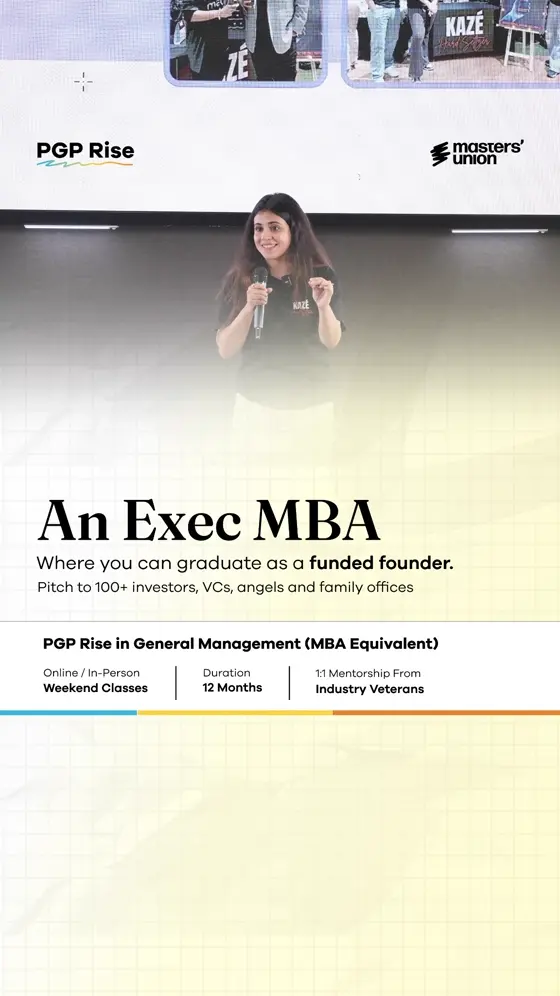
- Masters' Union59 creatives
- Jeevansathi55 creatives
- FirstClub49 creatives
- Our Place43 creatives
- GRIP41 creatives
- Elevate Now41 creatives
- Payu39 creatives
- Manmatters35 creatives
- Skydo31 creatives
- MasterClass26 creatives
- Frido26 creatives
- Xflowpay22 creatives
- Caraway21 creatives
- Replit20 creatives
- Oolka20 creatives
- Myjar19 creatives
- BlueStone19 creatives
- Superpower18 creatives
- Policybazaar17 creatives
- Canva16 creatives
- Made In Cookware16 creatives
- PayPal15 creatives
- IndiaBonds13 creatives
- Func Lab13 creatives
- Coursera12 creatives
- Coding Ninjas12 creatives
- Wint Wealth10 creatives
- Intellipaat9 creatives
- Aisle9 creatives
- Ace Blend8 creatives
- Orange Health8 creatives
- Hinge7 creatives
- Nykaa Fashion7 creatives
- Emma Mattress7 creatives
- Palmonas7 creatives
- ICICI Prudential Life Insurance7 creatives
- Arike5 creatives
- The Indus Valley5 creatives
- Traya4 creatives
- Beardo4 creatives
- ZET4 creatives
- P-TAL4 creatives
- Joinditto4 creatives
- Lovable4 creatives
- Planetspark3 creatives
- Solara3 creatives
- Oberoi Realty3 creatives
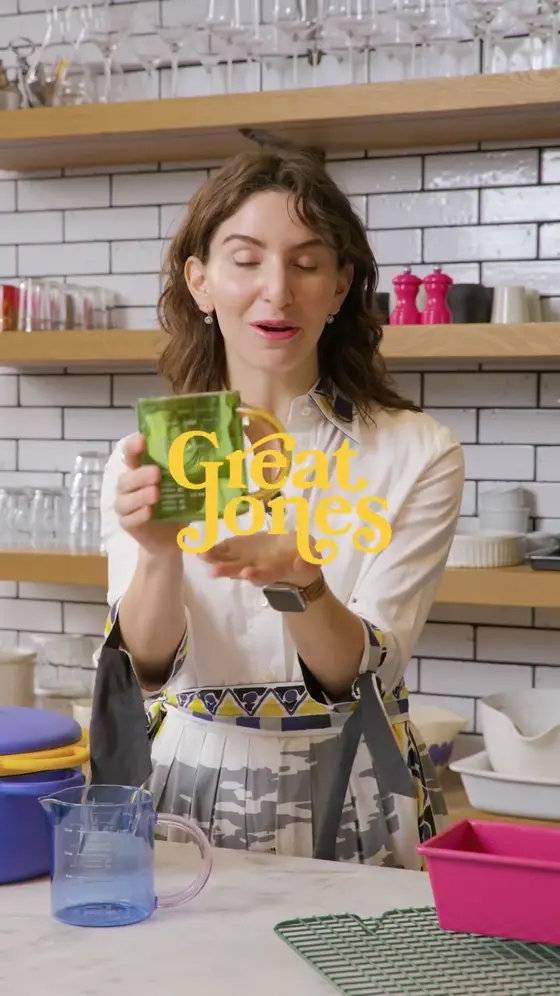
- Great Jones3 creatives
- Hiranandani3 creatives
- ASICS2 creatives
- CosMix2 creatives
- Kumon2 creatives
- GoKwik2 creatives
- Khan Academy2 creatives
- Bolt2 creatives
- HDFC Life2 creatives
- Myntra2 creatives
- Daily Bhakti2 creatives
- Storytel1 creatives
- Simplilearn1 creatives
- Accor1 creatives
- Suzuki1 creatives
- 5paisa1 creatives
- Postly1 creatives
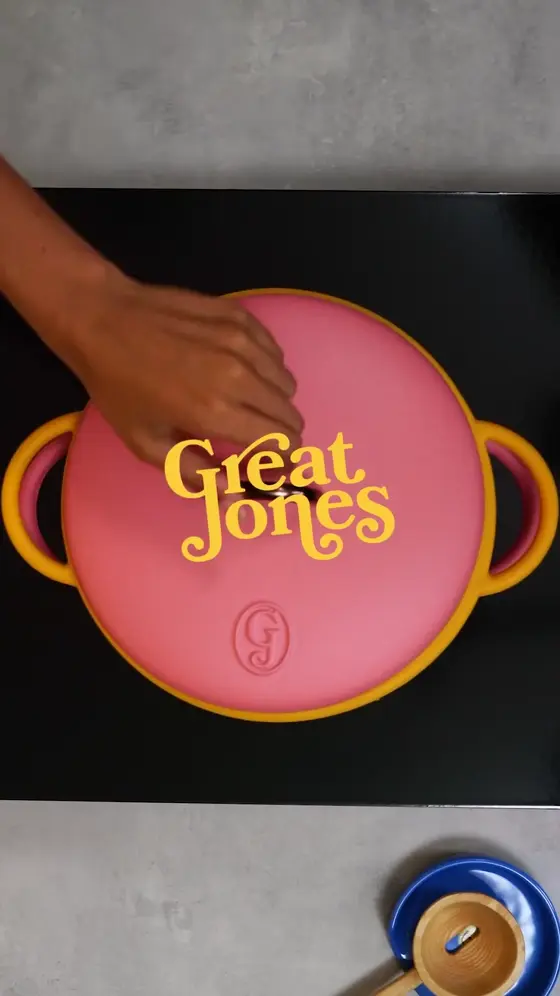
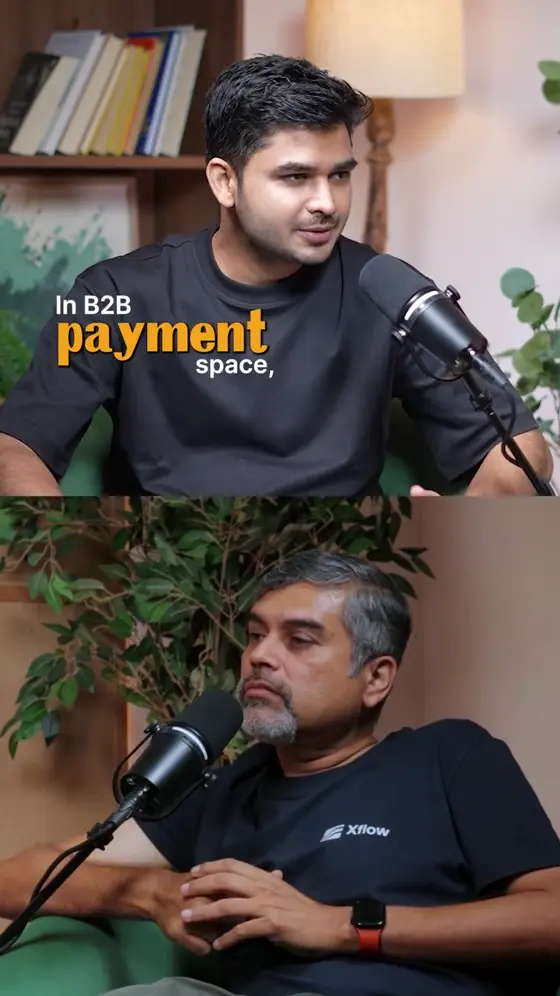
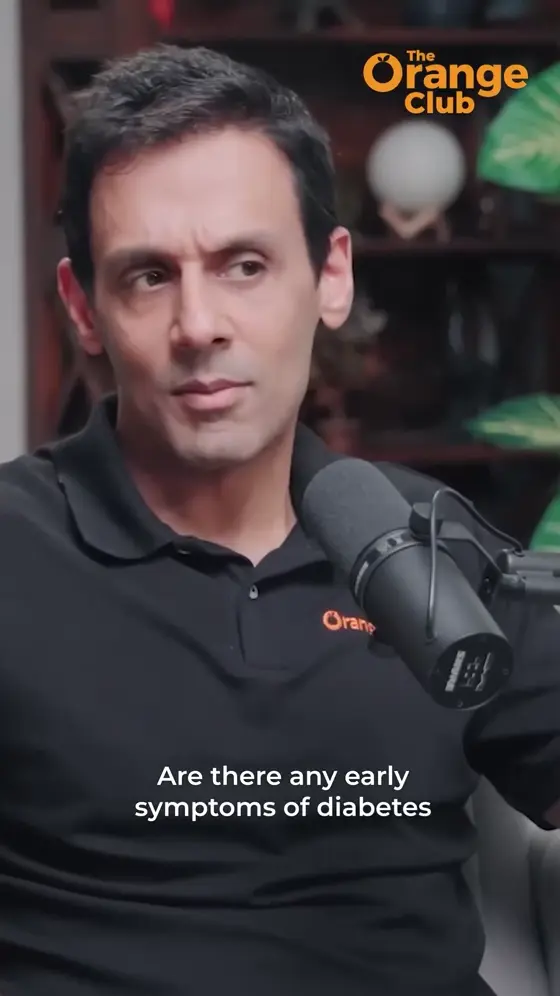
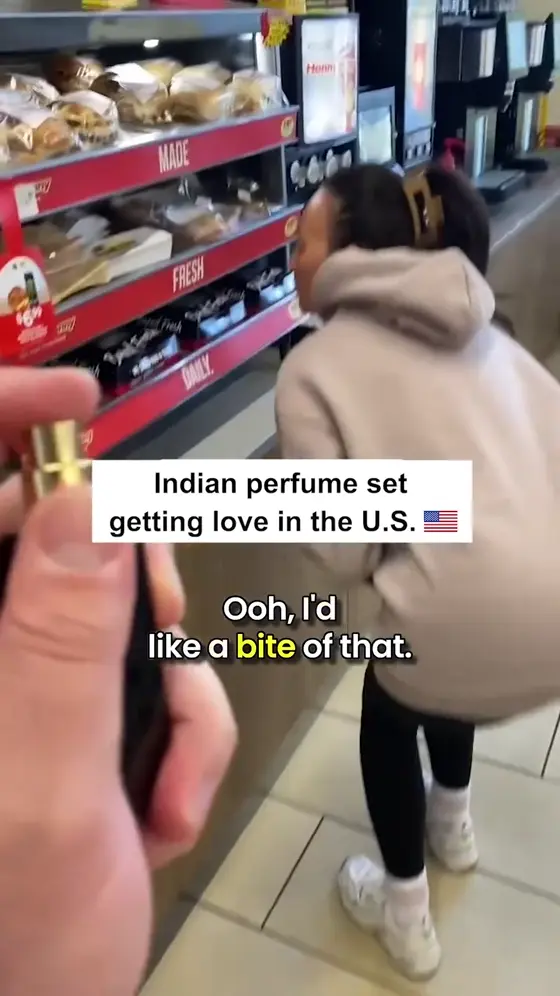
Founder message ads in the wild
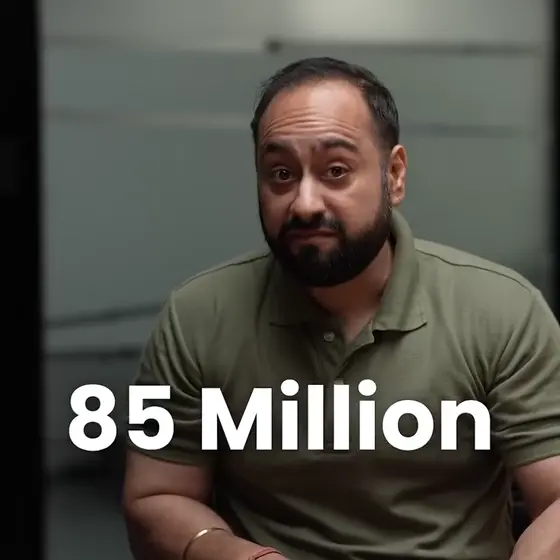
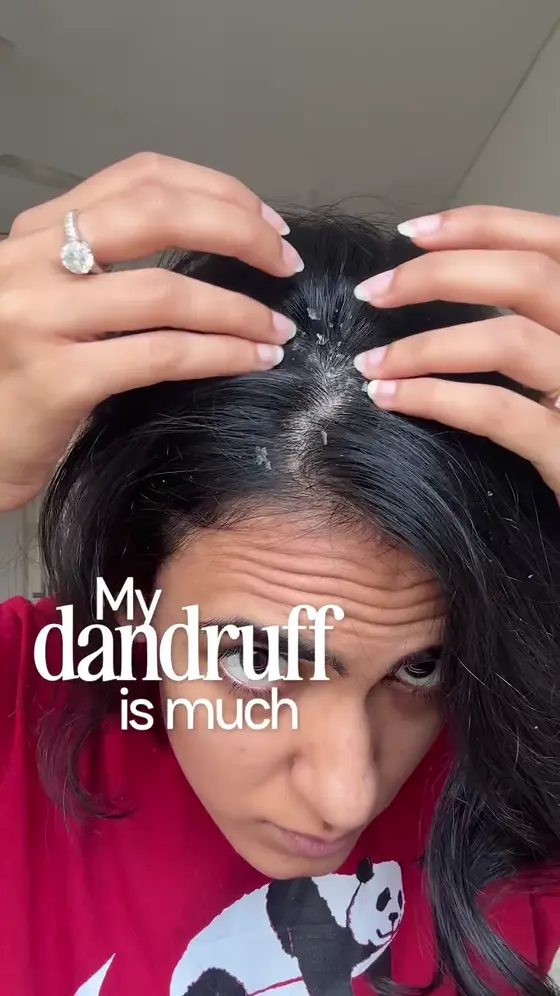
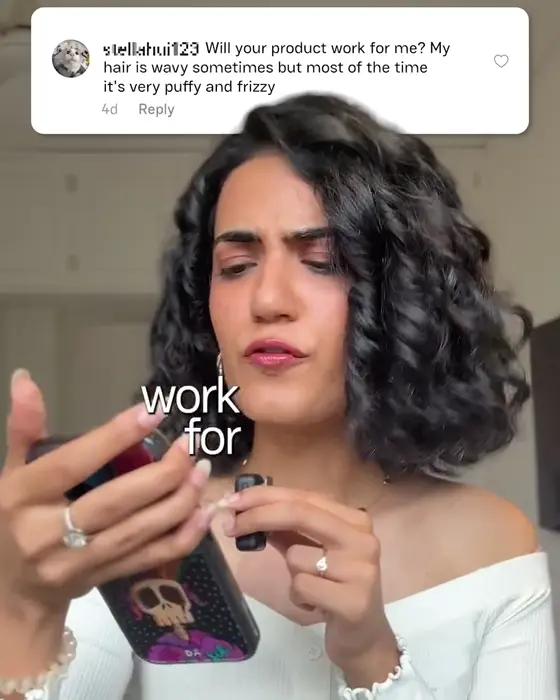
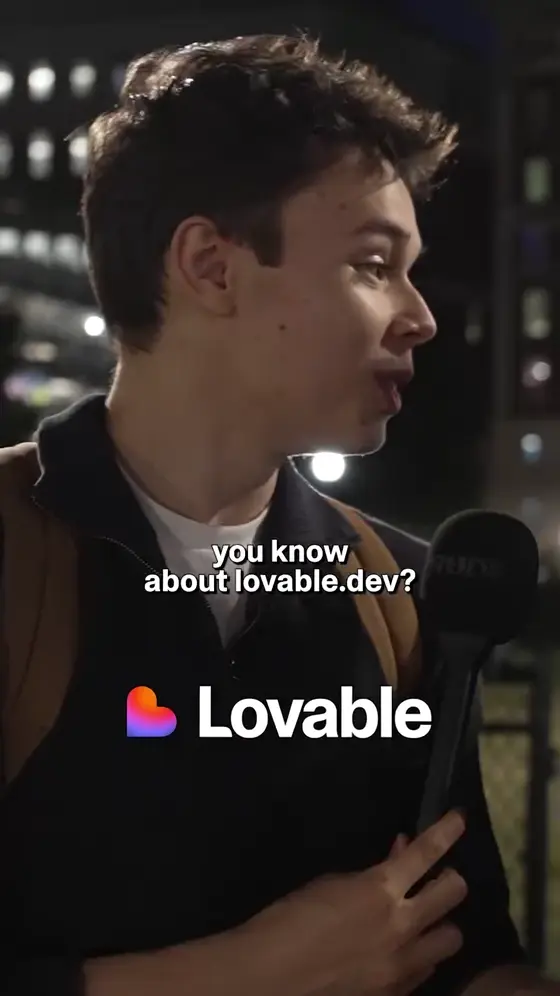
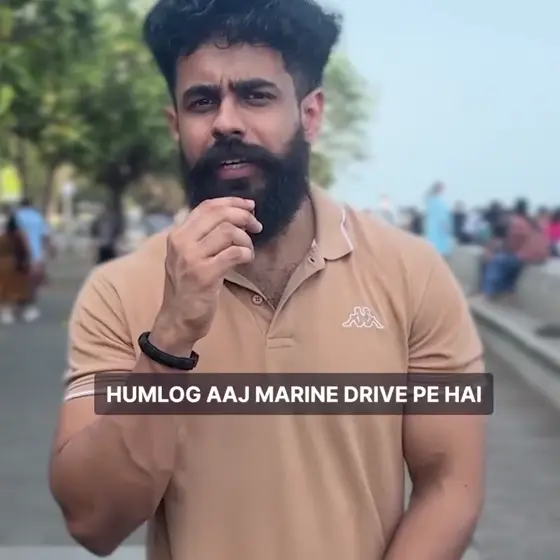
15 real creatives carrying this format, drawn from across the advertisers analysed. Video entries show their opening frame.


Other formats
Sourced from public ad libraries. The source data carries no visual-format field, so this format is assigned by matching each creative's own description against the taxonomy's vocabulary, which makes the counts indicative rather than exact. Brand pages currently cover the two-wheeler and EV set for Aug 24, 2025 → Aug 24, 2026; the format count above spans every advertiser analysed.