What is the Feature callout ad format?
Named features or benefits labelled directly onto the creative. It appears in 1,10,313 of the 7,00,232 classified creatives in this library, run by 978 different advertisers.
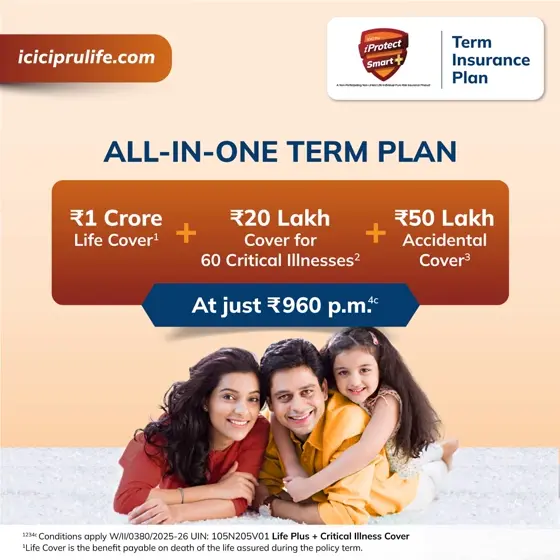
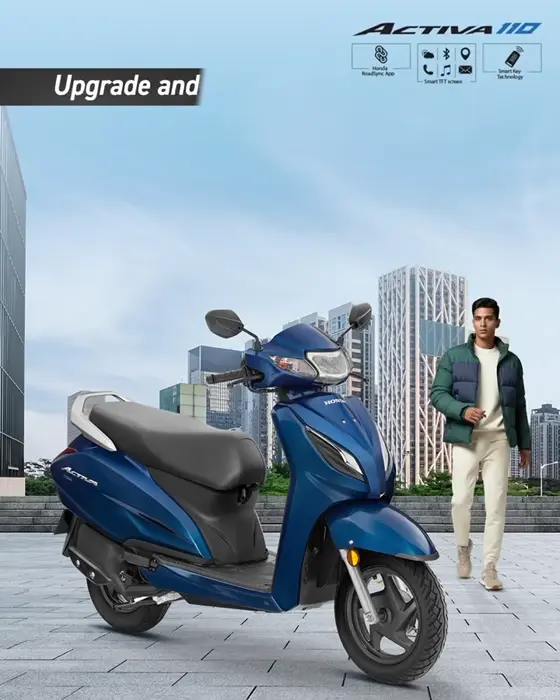
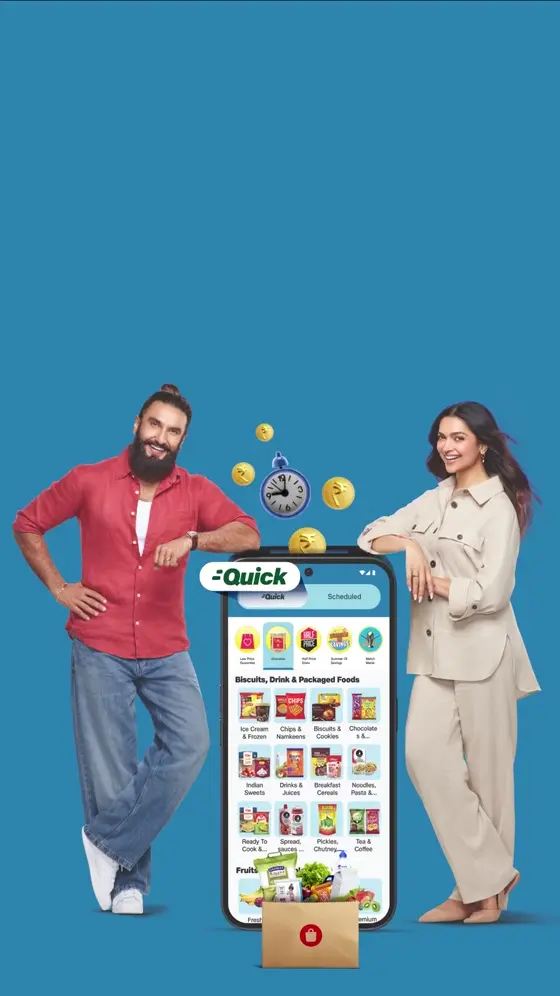
The ad does the spec-sheet's job in the feed: named features or benefits are labelled directly onto the product image, usually with lines or markers pointing at the part being claimed. It is the most widely adopted format in this library because it is the cheapest way to make one creative answer the question 'what am I actually getting'.
How it sits in the corpus
By volume this is the 2nd largest of the 20 formats in the library: 16% of every classified creative carries it.
Adoption is close to universal: 978 of the 1,103 advertisers analysed (89%) have run it at least once, so using the format is table stakes and the edge is entirely in execution.
The advertisers who run it commit to it: an average of 113 creatives each, against a median of 49 across formats. This is a format brands build systems around, not one they try once.
The most telling number is the video share. The archetype is static, yet 52% of it now ships as video: advertisers are re-cutting a print-native idea into motion, and the variants below show what those video versions look like.
When to use it
Comparison shopping, where the buyer is auditing a spec list.
By the time a buyer is comparison shopping they are auditing, not browsing. A feature callout meets that mode: it pre-answers the audit so the buyer does not have to leave the ad to build their own comparison table. The labels also borrow the authority of a diagram; annotated product images read as documentation rather than persuasion, which lowers resistance exactly when scepticism is highest.
Anatomy of a good one
The structural parts a competent feature callout always has, and what each is for.
Large, sharply lit, angled so every labelled part is actually visible. The image is the evidence for the labels.
Short labels connected to the product by leader lines or markers. Fewer reads premium, more reads like a manual.
The single feature the buyer is most likely to compare on, set visibly larger than the rest. A flat list of equals says the brand does not know what matters.
The line under each spec that says what it does for the buyer. 'USD forks' is a claim; 'holds its line on bad roads' is a reason.
A CTA matched to audit mode: full specs, compare variants, book a test ride. Not 'buy now', the buyer is not there yet.
The callouts arranged so the eye travels lead spec first, support second, CTA last. A frame with five labels and no path makes the viewer do layout work the designer skipped.
Craft rules
- 01
Cap the callouts at five. The corpus's weakest examples are the ones trying to say eight things; each label past the fifth costs comprehension of all of them.
- 02
Point at real geometry. A leader line that lands on the actual component makes the image proof; floating text boxes make it decoration.
- 03
Rank the features by what the buyer compares on, not by what engineering is proudest of.
- 04
Write every label to survive a phone screen: test the creative at thumbnail size, since that is where the comparison shopper first meets it.
- 05
Translate at least the lead spec into an outcome. Spec-literate buyers skim the numbers; everyone else needs the sentence underneath.
How it goes wrong
Spec dumping: transferring the brochure table onto the image and calling it creative. Density is not thoroughness.
Labelling features that are invisible in the shot, which breaks the diagram logic that makes the format credible.
Using it cold. To an audience that does not yet want the category, a spec audit answers a question nobody asked; that is what lifestyle and problem-solution are for.
The shapes it takes
One label, several distinct executions. The variants are worth testing as separate ads, because the platform will price them differently.
One static image, one product, callouts around it. The canonical shape and the easiest to keep legible.
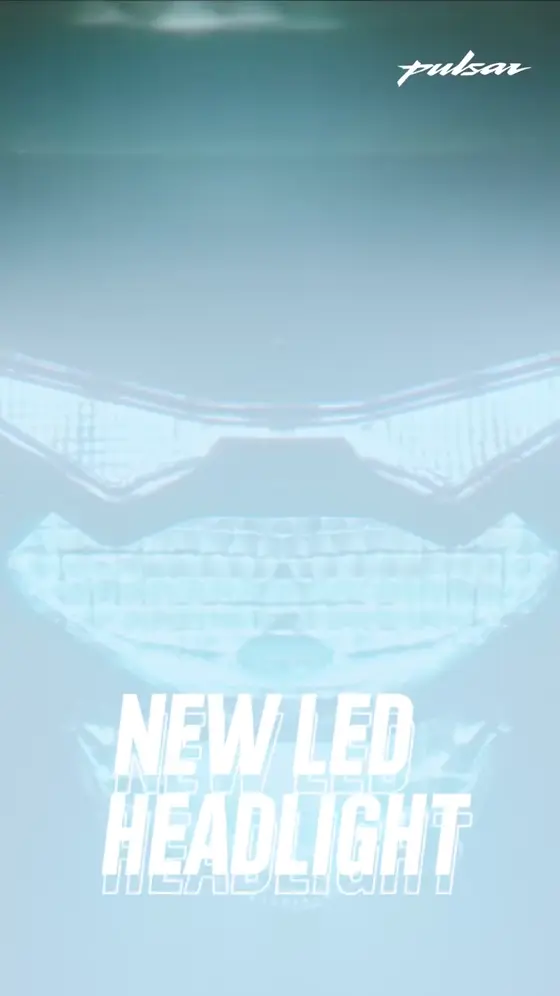
One feature per beat as the camera moves around the product. Explains why over half of this nominally static format ships as video: motion buys one more callout without crowding the frame.
Each card carries a single feature at full size. Trades instant overview for depth, and lets the platform report which feature stops the scroll.
Callouts set against a rival or the previous model, one column each. Sharper, but every claim now needs substantiation.
When it wears out
Feature callouts fatigue slowly because the audit audience keeps refreshing itself, but they flatten when every ad leads with the same spec. Rotate the lead callout, not the whole format: the spec-reveal and carousel variants exist to find which feature actually moves the click, and that learning feeds back into the static hero.
What to run alongside it
- Lifestyle
Upstream: lifestyle makes the buyer want the category, the callout wins the comparison once they do.
- Offer-led
Downstream: once the spec audit is won, the number is the only question left.
- Comparison
The escalation: when the buyer's shortlist is down to two, move from labelling your product to setting it against theirs.
Who runs this format
978 advertisers run this format. Of the brands with a page in this library, Coursera runs it hardest, with 1,854 creatives in this shape.
- Coursera1,854 creatives
- ICICI Prudential Life Insurance1,724 creatives
- Wise1,411 creatives
- HDFC Life930 creatives
- Policybazaar806 creatives
- Tata Neu749 creatives
- ASICS747 creatives
- Jeevansathi706 creatives
- Indriya696 creatives
- OZiva667 creatives
- Moxie Beauty613 creatives
- Great Learning598 creatives
- Aprilia591 creatives
- Stripe588 creatives
- Myntra562 creatives
- Frido548 creatives
- Tataaia540 creatives
- Foxtale507 creatives
- Wellbeing Nutrition499 creatives
- Pilgrim497 creatives
- Minutes - Flipkart493 creatives
- Myjar488 creatives
- Marriott475 creatives
- Intellipaat468 creatives
- JioMart455 creatives
- Kumon450 creatives
- Canva448 creatives
- CarWale425 creatives
- Coding Ninjas419 creatives
- Bajajauto410 creatives
- Postly379 creatives
- Nykaa Fashion376 creatives
- Accor346 creatives
- Kushals329 creatives
- MasterClass321 creatives
- Honda 2 Wheelers India313 creatives
- SBI life306 creatives
- VLCC304 creatives
- Oolka303 creatives
- Simplilearn299 creatives
- Be Bodywise298 creatives
- The Derma Co.288 creatives
- Suzuki286 creatives
- Masters' Union283 creatives
- Kotak Life272 creatives
- Arike251 creatives
- Western Union246 creatives
- Bigbasket236 creatives
- Wint Wealth235 creatives
- Codingal228 creatives
- Beardo217 creatives
- Skydo214 creatives
- Daily Bhakti207 creatives
- Aisle204 creatives
- Spotify200 creatives
- Hyatt197 creatives
- Hinge194 creatives
- Tinder193 creatives
- Yamaha Motors India186 creatives
- WishCare183 creatives
- Ace Blend183 creatives
- ICICI Lombard176 creatives
- Our Place172 creatives
- PayPal155 creatives
- Manmatters149 creatives
- Jiraaf146 creatives
- edureka134 creatives
- BrightCHAMPS132 creatives
- Bella Vita131 creatives
- Payoneer128 creatives
- Superpower126 creatives
- BondScanner122 creatives
- Angel One115 creatives
- Base44105 creatives
- ICICI Bank102 creatives
- Payu102 creatives
- Mia by Tanishq102 creatives
- 5paisa100 creatives
- Planetspark100 creatives
- Caraway99 creatives
- GoodScore91 creatives
- BlueStone90 creatives
- Wakefit89 creatives
- Kaagaz84 creatives
- Solara82 creatives
- GRIP81 creatives
- Radisson80 creatives
- Ajio76 creatives
- Vedantu76 creatives
- TamilShaadi76 creatives
- Kotak Neo69 creatives
- Reliance Digital68 creatives
- ZunRoof67 creatives
- CosMix67 creatives
- Xflowpay67 creatives
- Honda63 creatives
- Paytm61 creatives
- Varalife59 creatives
- Tatacliq58 creatives
- Bergner58 creatives
- Lovable58 creatives
- Wooden Street57 creatives
- Storytel56 creatives
- GROHE54 creatives
- The Indus Valley54 creatives
- Delta Faucet53 creatives
- Easebuzz53 creatives
- Sleepwell51 creatives
- Healthians50 creatives
- Func Lab50 creatives
- GoKwik49 creatives
- P-TAL49 creatives
- Telugushaadi48 creatives
- Newton School48 creatives
- PW Skills47 creatives
- Palmonas46 creatives
- IGP43 creatives
- NxtWave42 creatives
- Stahl41 creatives
- HexClad39 creatives
- Adyen38 creatives
- Pine Labs38 creatives
- ZET38 creatives
- ThriveCo37 creatives
- IndiaBonds36 creatives
- Orange Health36 creatives
- 1mg35 creatives
- Carswitch34 creatives
- Replit31 creatives
- New Balance30 creatives
- HOKA30 creatives
- Outskill29 creatives
- dubizzle28 creatives
- Synthesis28 creatives
- Chetak26 creatives
- Rustomjee25 creatives
- SKECHERS24 creatives
- Made In Cookware23 creatives
- The Artment23 creatives
- Under Armour23 creatives
- L&T Realty22 creatives
- Urban Ladder21 creatives
- Kolorshealthcare21 creatives
- Caratlane20 creatives
- Taj Hotels20 creatives
- IKEA20 creatives
- Dr Sheths20 creatives
- Hiranandani19 creatives
- Joinditto18 creatives
- Prime Video17 creatives
- Borosil17 creatives
- FirstClub17 creatives
- Great Jones16 creatives
- Total Environment16 creatives
- Function Health16 creatives
- Emma Mattress15 creatives
- Tramontina14 creatives
- Oberoihotels13 creatives
- EMORI13 creatives
- Vtprealty11 creatives
- Lodha10 creatives
- ZEE510 creatives
- Traya10 creatives
- Dosti Realty9 creatives
- Khan Academy9 creatives
- Shaya8 creatives
- MuscleBlaze8 creatives
- Trimfinity6 creatives
- Ember Cookware6 creatives
- Mathnasium6 creatives
- Sattva6 creatives
- Kalyan Jewellers6 creatives
- Puravankara5 creatives
- HealthifyMe5 creatives
- Oberoi Realty4 creatives
- Russian School of Math3 creatives
- Chumbak2 creatives
- Le Creuset2 creatives
- Lodge2 creatives
- Bare Anatomy2 creatives
- Rubans2 creatives
- ScoreUp2 creatives
- Ellementry1 creatives
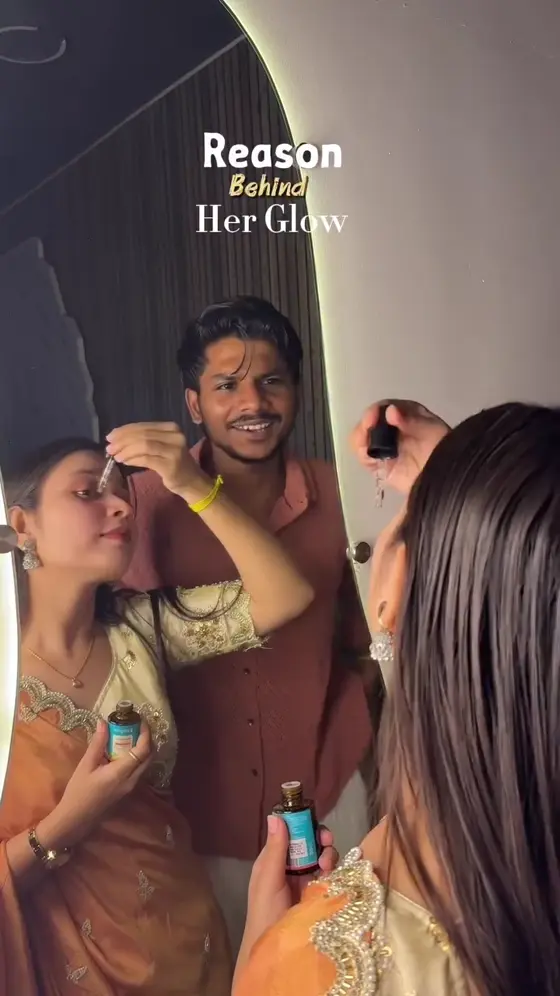
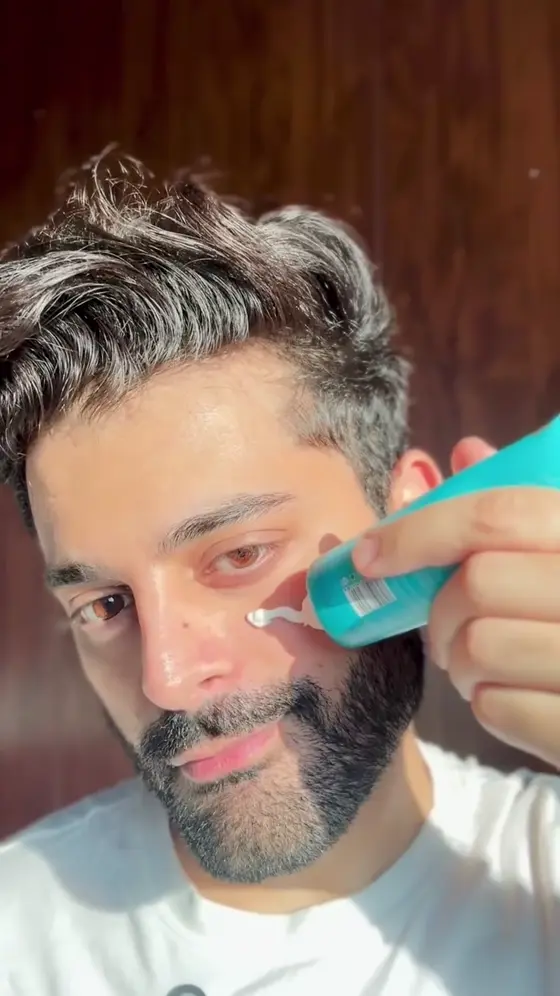
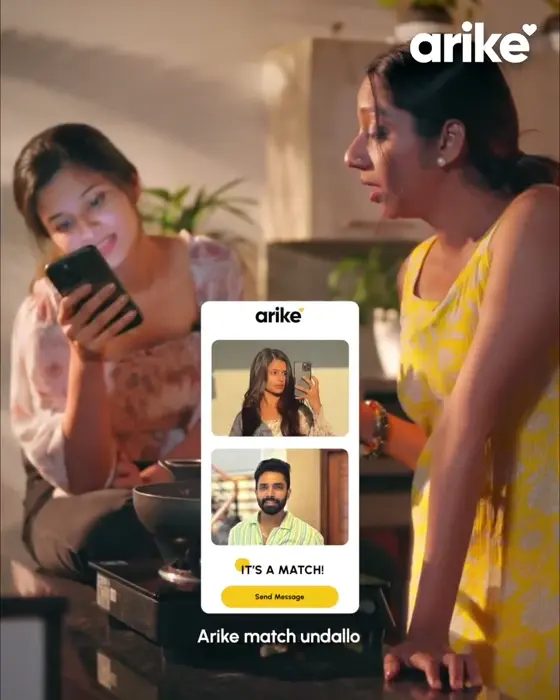
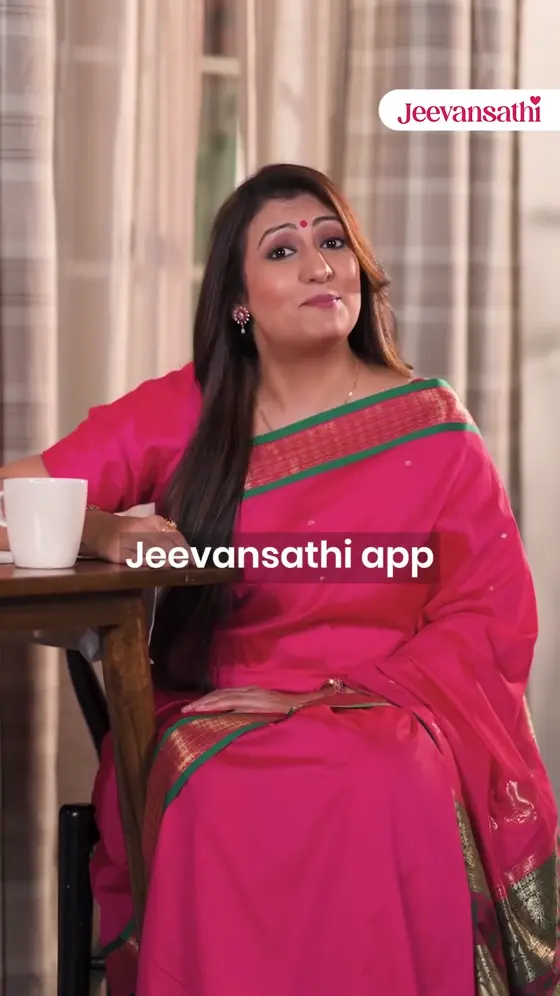
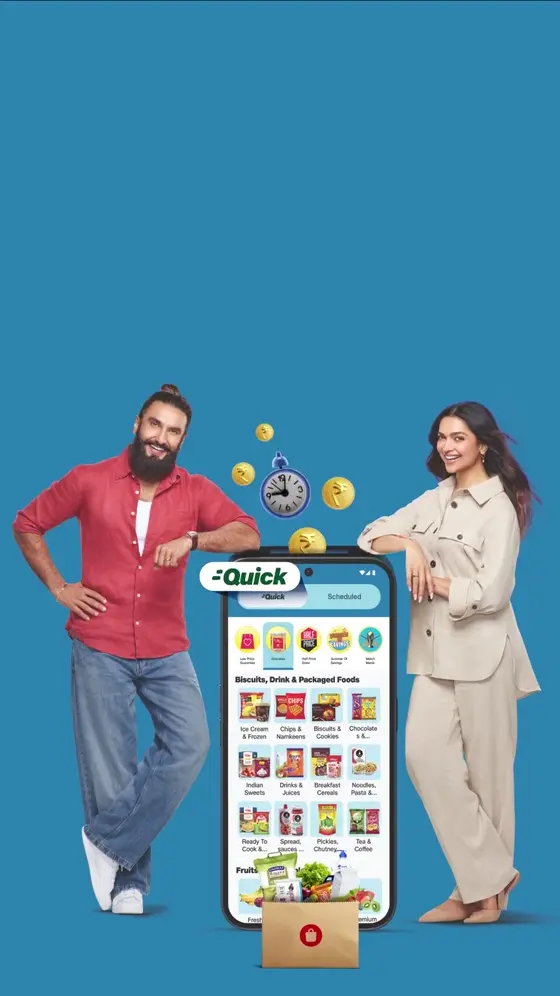
Feature callout ads in the wild
15 real creatives carrying this format, drawn from across the advertisers analysed. Video entries show their opening frame.





Other formats
Sourced from public ad libraries. The source data carries no visual-format field, so this format is assigned by matching each creative's own description against the taxonomy's vocabulary, which makes the counts indicative rather than exact. Brand pages currently cover the two-wheeler and EV set for Aug 24, 2025 → Aug 24, 2026; the format count above spans every advertiser analysed.