What is the Creator and UGC ad format?
Shot and voiced by a creator rather than the brand, in a native social register. It appears in 57,435 of the 7,00,232 classified creatives in this library, run by 553 different advertisers.
Shot and voiced by a creator rather than the brand, in the grammar of the feed it runs in. The format buys one thing: the first two seconds are indistinguishable from content, so the scroll does not flinch before the message starts.
How it sits in the corpus
By volume this is the 4th largest of the 20 formats in the library: 8% of every classified creative carries it.
553 of the 1,103 advertisers analysed (50%) run it.
The advertisers who run it commit to it: an average of 104 creatives each, against a median of 49 across formats. This is a format brands build systems around, not one they try once.
Its 91% video share is well above the corpus average of 64%: in practice this format has become motion-first, whatever the archetype says.
When to use it
Feeds where polish reads as advertising and rough reads as recommendation.
Feeds have trained viewers to categorise on sight: polish means advertising, roughness means a person. UGC exploits the classifier. A recommendation from a face and a bedroom carries the social contract of word of mouth even when the disclosure label is right there, because the register, not the label, is what the brain files it under.
Anatomy of a good one
The structural parts a competent creator and ugc always has, and what each is for.
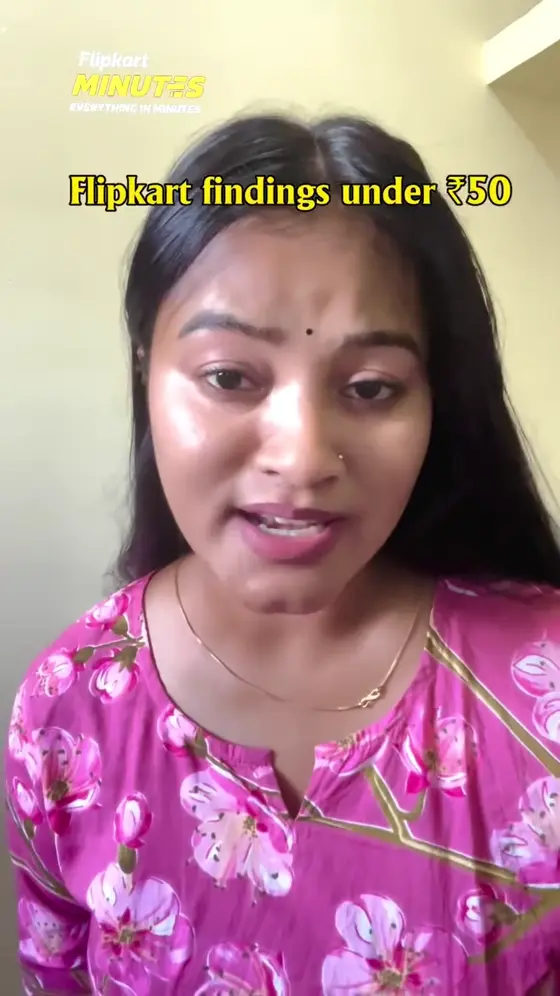
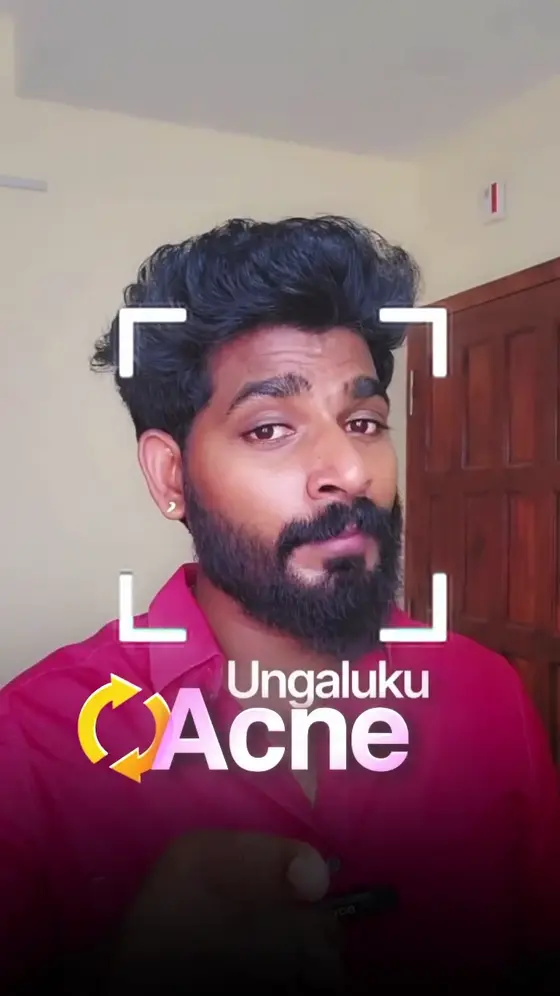
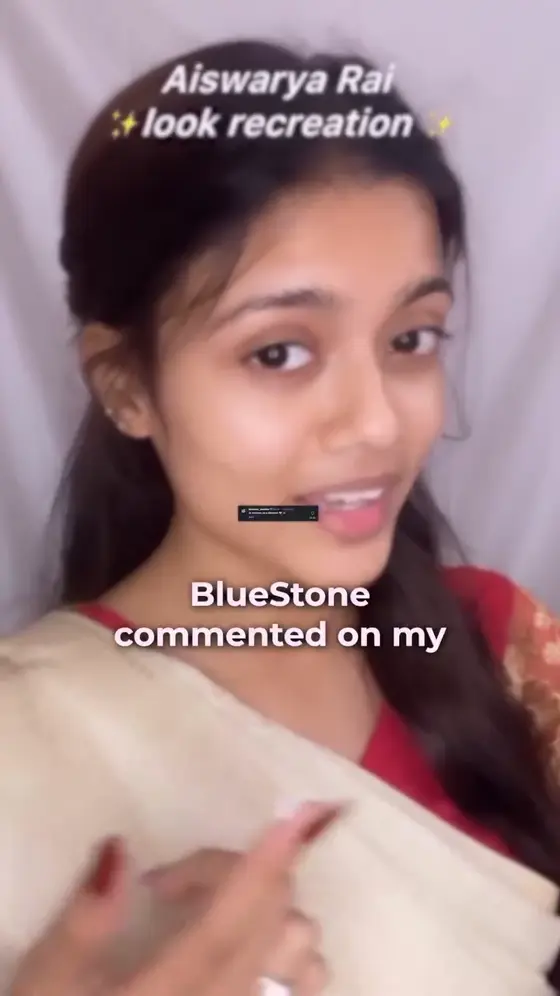
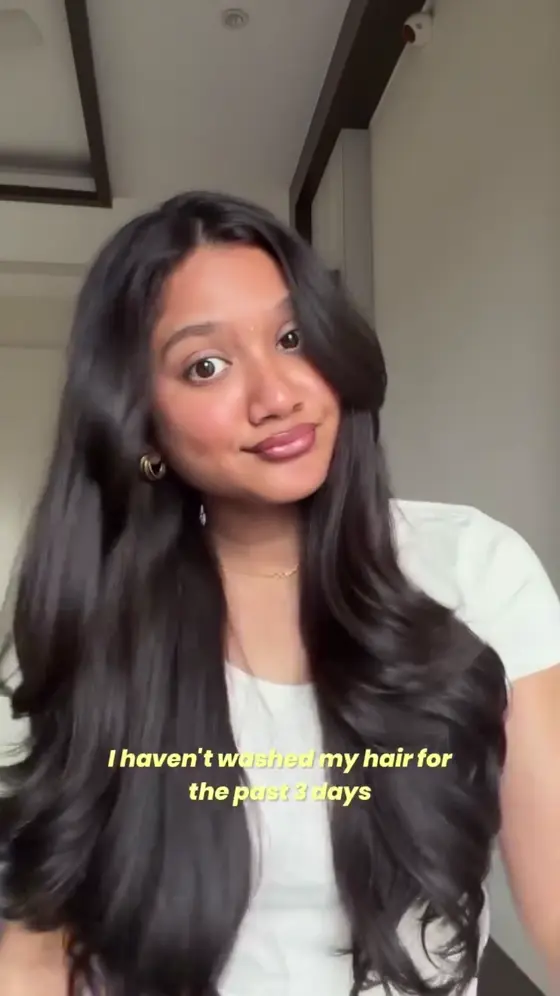
The first shot belongs to the platform's own vocabulary: a face mid-sentence, a hand reaching for something, a hook line in creator cadence. No logo, no pack shot.
Their phrasing, their pacing, their camera. The brief supplies the claim; the creator supplies every word around it.
The product doing its thing in the creator's real context, not a supplied studio shot spliced in.
The partnership label, present and unhidden. It costs less than viewers assume and its absence costs the account.
Where they got it, what it cost, a code. Hard CTAs in creator voice snap the register and mark the whole video as an ad retroactively.
The cuts, text placements and trending sounds of the feed it runs in. An edit in brand rhythm re-flags the video as advertising no matter who shot it.
Craft rules
- 01
Brief the claim, never the script. The moment a creator reads brand copy, the format's entire advantage is gone.
- 02
Protect the first two seconds most. If the open could be a brand ad, the classifier fires and the rest is unwatched.
- 03
Pick creators whose existing content already sits next to your category; borrowed audiences only transfer when the fit is plausible.
- 04
Run many small creators over one large one. The format scales by variety of voice, and a bench survives any single creator's off month.
- 05
Edit lightly. Cutting a UGC video to brand rhythm re-polishes it back into advertising.
How it goes wrong
Laying brand voiceover or supers over creator footage, which produces the worst of both registers.
Treating UGC as a cheap production pipeline for brand scripts rather than a different author. The audience is not fooled; the metrics say so within a week.
Reusing one winning creator video until frequency kills it, instead of commissioning the same brief across ten voices.
The shapes it takes
One label, several distinct executions. The variants are worth testing as separate ads, because the platform will price them differently.
Creator tries the product on camera and reacts. The closest to word of mouth, and the shape most of this corpus's examples take.
The product appears inside an existing content format the creator already runs (morning routine, commute, setup tour). Softest sell, longest burn.
The creator fronts a drop or partnership. More reach, less recommendation; closer to celebrity endorsement in mechanics.
The brand runs media behind the creator's own handle. The register survives paid distribution because the author line does too.
When it wears out
UGC fatigues per-creator, not per-format. The tell is a video whose comments turn from the product to the ad ('this is sponsored'). Refresh with new voices on the same brief; the brief is the asset, each creator is one rendering of it.
What to run alongside it
Who runs this format
553 advertisers run this format. Of the brands with a page in this library, Pilgrim runs it hardest, with 1,876 creatives in this shape.
- Pilgrim1,876 creatives
- Minutes - Flipkart1,491 creatives
- Canva1,427 creatives
- Nykaa Fashion1,417 creatives
- Coursera1,399 creatives
- The Derma Co.1,312 creatives
- Bella Vita954 creatives
- Myntra589 creatives
- Intellipaat568 creatives
- Foxtale563 creatives
- Policybazaar554 creatives
- Moxie Beauty516 creatives
- Kushals492 creatives
- Hinge445 creatives
- Frido434 creatives
- Beardo425 creatives
- Great Learning410 creatives
- Simplilearn406 creatives
- Oolka366 creatives
- Manmatters324 creatives
- Dr Sheths261 creatives
- OZiva228 creatives
- Base44189 creatives
- Wellbeing Nutrition173 creatives
- Be Bodywise156 creatives
- Palmonas156 creatives
- WishCare148 creatives
- Wise127 creatives
- Wakefit126 creatives
- Postly108 creatives
- Trimfinity98 creatives
- Wint Wealth85 creatives
- Tinder78 creatives
- Coding Ninjas77 creatives
- Mia by Tanishq73 creatives
- Home essentials70 creatives
- Paytm65 creatives
- CosMix62 creatives
- Lovable62 creatives
- Stripe59 creatives
- GoodScore59 creatives
- BlueStone58 creatives
- Our Place57 creatives
- Aisle52 creatives
- FirstClub52 creatives
- Ajio51 creatives
- Myjar51 creatives
- Ace Blend51 creatives
- ZET49 creatives
- Made In Cookware49 creatives
- Caraway48 creatives
- Solara47 creatives
- Replit47 creatives
- Accor45 creatives
- Bajajauto43 creatives
- P-TAL43 creatives
- SKECHERS43 creatives
- HexClad41 creatives
- Rubans40 creatives
- Tatacliq34 creatives
- Arike34 creatives
- Traya34 creatives
- MuscleBlaze33 creatives
- The Indus Valley32 creatives
- ICICI Prudential Life Insurance30 creatives
- Jeevansathi28 creatives
- Stahl27 creatives
- Ember Cookware26 creatives
- EMORI25 creatives
- Chumbak25 creatives
- Bolt25 creatives
- ThriveCo24 creatives
- Western Union24 creatives
- Under Armour23 creatives
- Outskill23 creatives
- Marriott20 creatives
- ScoreUp20 creatives
- Payoneer19 creatives
- MasterClass18 creatives
- IGP18 creatives
- Func Lab18 creatives
- Daily Bhakti18 creatives
- Reliance Digital16 creatives
- Le Creuset16 creatives
- Angel One15 creatives
- The Artment15 creatives
- Superpower15 creatives
- BrightCHAMPS13 creatives
- Zavya13 creatives
- Borosil11 creatives
- Function Health11 creatives
- Emma Mattress10 creatives
- Bergner9 creatives
- Adyen8 creatives
- Indriya8 creatives
- Kaagaz8 creatives
- BondScanner8 creatives
- Bigbasket8 creatives
- Spotify7 creatives
- ASICS7 creatives
- Chetak7 creatives
- PayPal6 creatives
- Masters' Union6 creatives
- Bare Anatomy6 creatives
- Joinditto5 creatives
- ICICI Lombard5 creatives
- Suzuki5 creatives
- Wooden Street5 creatives
- Delta Faucet5 creatives
- Zoomcar5 creatives
- JioMart5 creatives
- Lodha4 creatives
- Tramontina4 creatives
- Storytel3 creatives
- SBI life3 creatives
- 1mg3 creatives
- Skydo3 creatives
- Hiranandani3 creatives
- New Balance3 creatives
- Varalife3 creatives
- Rustomjee2 creatives
- Hyatt2 creatives
- Caratlane2 creatives
- GRIP2 creatives
- Sleepwell2 creatives
- Jiraaf2 creatives
- Great Jones2 creatives
- Payu2 creatives
- Puravankara2 creatives
- IKEA1 creatives
- Radisson1 creatives
- Honda1 creatives
- VLCC1 creatives
- Synthesis1 creatives
- Planetspark1 creatives
- Prime Video1 creatives
- IndiaBonds1 creatives
- CarWale1 creatives
- HealthifyMe1 creatives
- Kalyan Jewellers1 creatives
- edureka1 creatives
- Yamaha Motors India1 creatives
- Healthians1 creatives
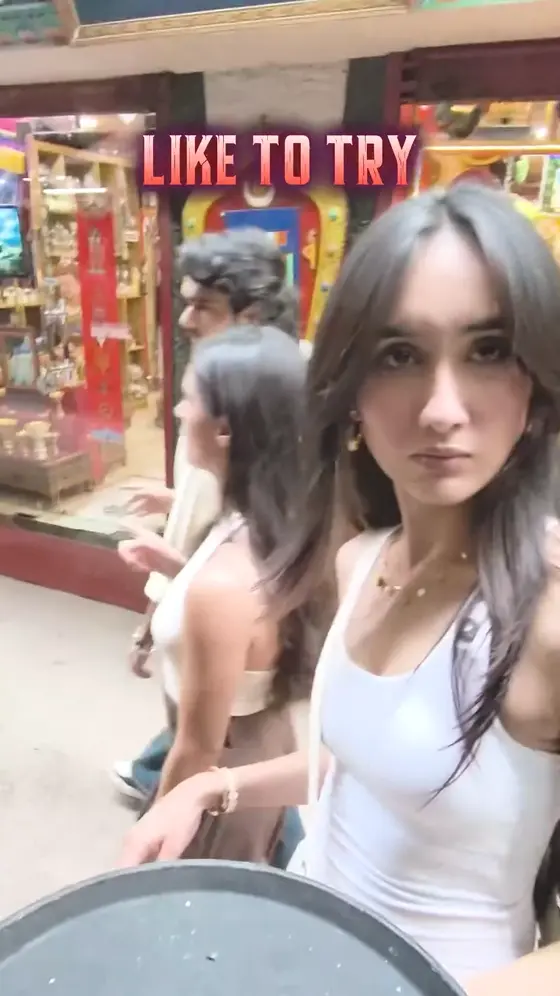
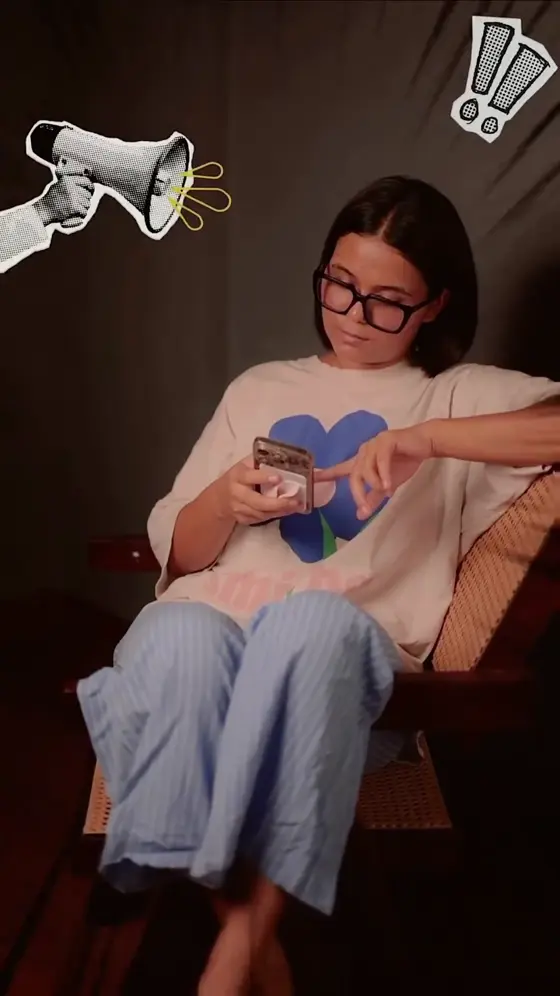
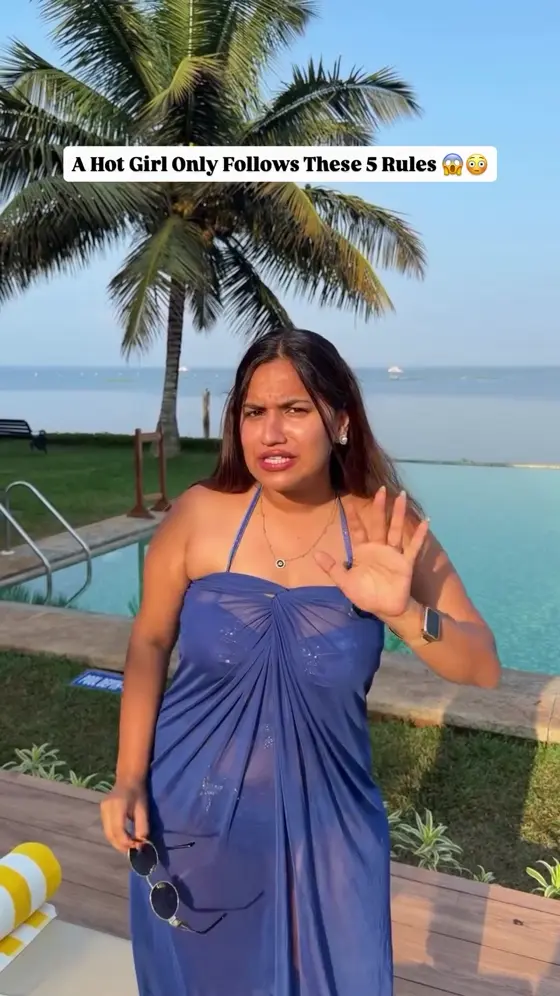
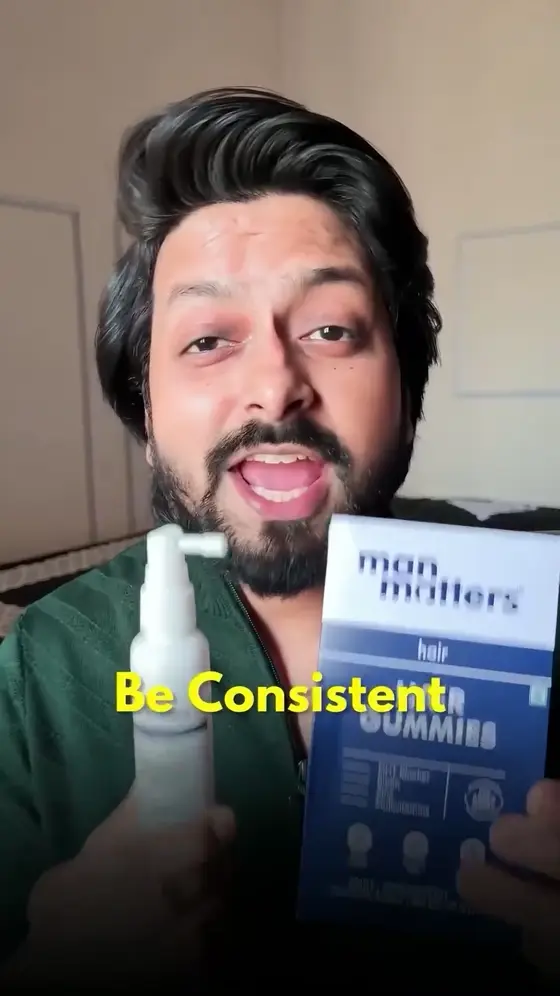
Creator and UGC ads in the wild
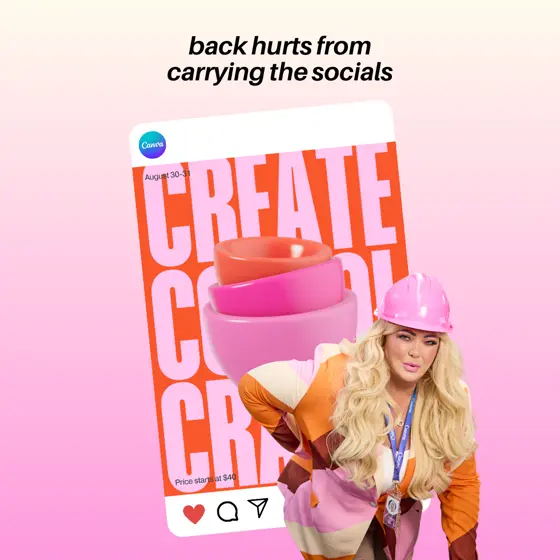
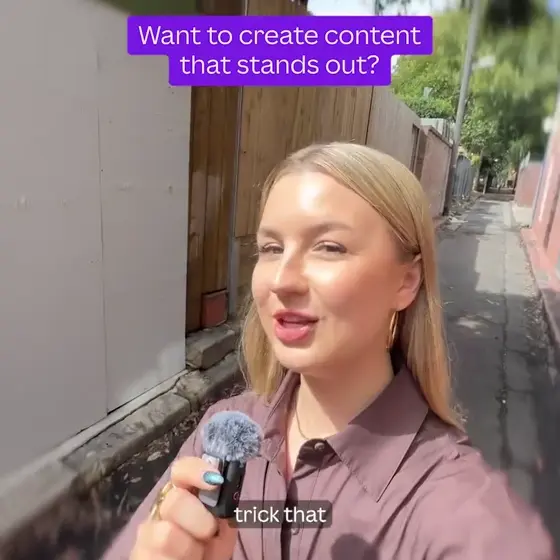
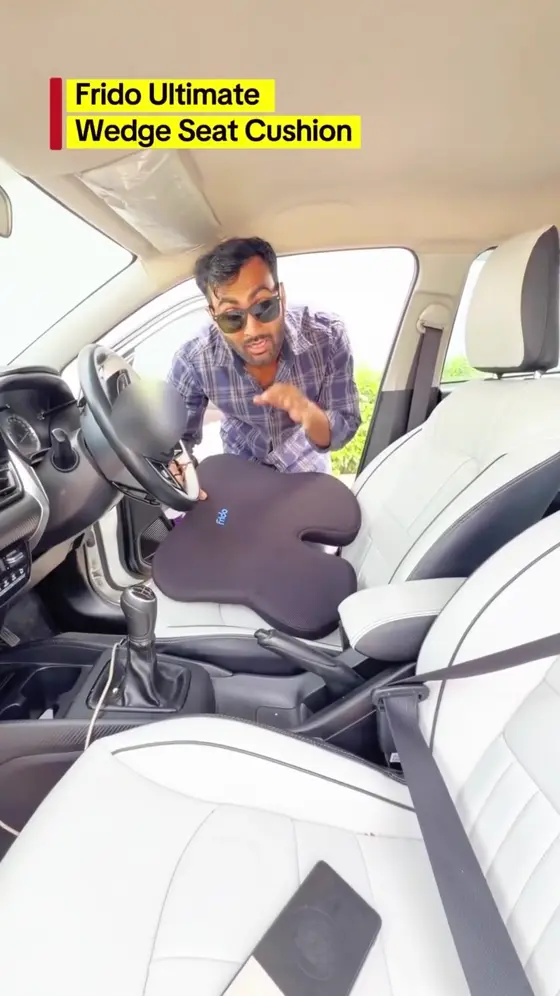
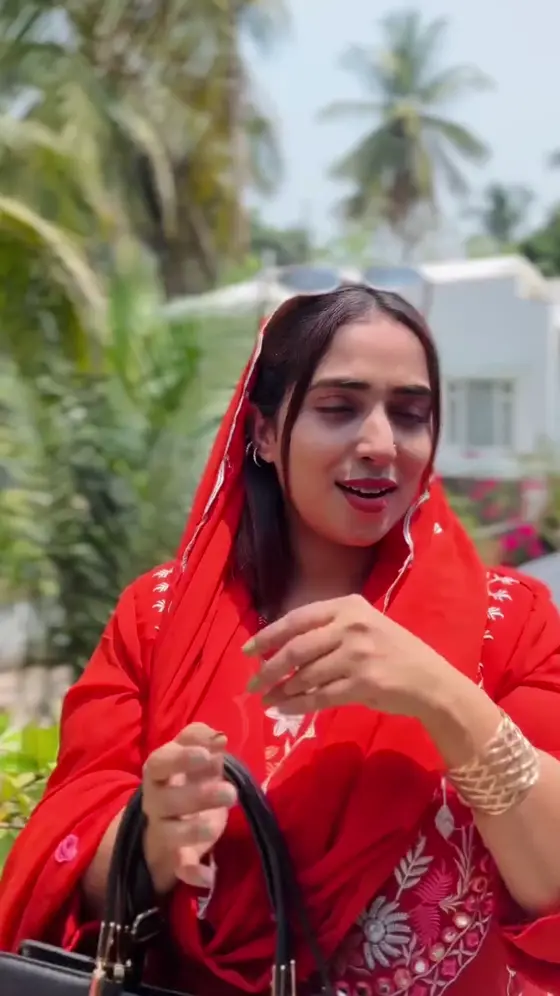
15 real creatives carrying this format, drawn from across the advertisers analysed. Video entries show their opening frame.



Other formats
Sourced from public ad libraries. The source data carries no visual-format field, so this format is assigned by matching each creative's own description against the taxonomy's vocabulary, which makes the counts indicative rather than exact. Brand pages currently cover the two-wheeler and EV set for Aug 24, 2025 → Aug 24, 2026; the format count above spans every advertiser analysed.