What is the Offer-led ad format?
Price, discount, sale or deadline set as the headline; the product is secondary. It appears in 1,68,364 of the 7,00,232 classified creatives in this library, run by 872 different advertisers.
The number is the creative. Product photography, brand codes and copy all exist to frame a price, a discount, a finance term or a deadline. It is the only format in the library that works harder the less it says.
How it sits in the corpus
By volume this is the 1st largest of the 20 formats in the library: 24% of every classified creative carries it.
Adoption is close to universal: 872 of the 1,103 advertisers analysed (79%) have run it at least once, so using the format is table stakes and the edge is entirely in execution.
The advertisers who run it commit to it: an average of 193 creatives each, against a median of 49 across formats. This is a format brands build systems around, not one they try once.
Its 38% video share is well below the corpus average of 64%, making it one of the few formats where static still carries most of the weight, and one of the cheapest to test at volume.
When to use it
Bottom-funnel pushes where the number is the reason to click.
Offer-led ads do not create demand, they collect it. The viewer already wants the category and is waiting for a reason to act now rather than later; the number supplies the reason and the deadline supplies the cost of waiting. That is why the format lives at the bottom of the funnel: shown to a cold audience it reads as noise, shown to a warm one it reads as permission.
Anatomy of a good one
The structural parts a competent offer-led always has, and what each is for.
One figure, set larger than anything else. Price, percentage off, EMI or cashback, never more than one of them leading.
A struck-through original price or a 'was/now' pair. Without an anchor the number has no size.
A date or an 'ends' line. Scarcity is what converts intent into action this week instead of next.
Present for recognition, small enough that it never competes with the number.
Colour, type and logo held constant so the sale is unmistakably yours. A discount ad without brand codes advertises the category, not you.
Conditions stated where they can be read, not smuggled into an asterisk. A deal that shrinks at the landing page converts once and is distrusted forever.
Craft rules
- 01
Lead with one number only. Every additional figure (discount plus cashback plus EMI plus exchange bonus) divides attention and makes the deal harder to evaluate, which reads as harder to trust.
- 02
Anchor every price. '20% off' converts on the size of the gap, and the gap only exists if the original price is visible.
- 03
Make the deadline real and specific. 'Limited time' is furniture; 'ends Sunday' is a reason.
- 04
State the offer in the buyer's unit. In finance-led categories that is the monthly EMI, not the sticker price; the corpus's two-wheeler advertisers put the number inside the hook itself rather than on a separate offer card.
- 05
Keep the click destination as specific as the offer. A sale ad that lands on a homepage loses the thread it just created.
How it goes wrong
Stacking offers until the ad becomes a terms-and-conditions poster. If the deal needs an asterisk to survive, simplify the deal, not the type size.
Running offer-led continuously. A permanent sale trains the audience to never pay full price and quietly reprices the brand.
Burying the number in body copy while a lifestyle image takes the hero slot. That is a lifestyle ad with a worse landing page.
The shapes it takes
One label, several distinct executions. The variants are worth testing as separate ads, because the platform will price them differently.
One percentage or price cut as the hero. The default shape, and the fastest to read.
EMI, zero processing fee, insurance savings or exchange value as the lead. Dominant in high-ticket categories where the monthly number is the real price.
The deadline itself is the creative, often refreshed daily as the end date approaches. Highest urgency, shortest shelf life.
Value added instead of price cut: a free accessory, extended warranty or paired product. Protects price perception while still giving a reason to act.
For the 38% of this format that ships as video, the same anatomy becomes a sequence. A typical short cut:
When it wears out
Offer-led fatigues at the audience level, not the creative level: click-through can hold while margin quietly erodes and full-price conversion falls. Watch the share of revenue arriving with a code attached. When it climbs, rotate the always-on budget back to feature callouts and lifestyle, and save the number for genuine calendar moments.
What to run alongside it
Who runs this format
872 advertisers run this format. Of the brands with a page in this library, VLCC runs it hardest, with 5,181 creatives in this shape.
- VLCC5,181 creatives
- JioMart4,809 creatives
- Indriya3,650 creatives
- Mia by Tanishq2,464 creatives
- Ajio2,327 creatives
- Bella Vita1,877 creatives
- Palmonas1,858 creatives
- Kushals1,858 creatives
- OZiva1,763 creatives
- Coursera1,674 creatives
- Beardo1,516 creatives
- Bigbasket1,464 creatives
- Nykaa Fashion1,252 creatives
- WishCare1,156 creatives
- Policybazaar1,152 creatives
- Canva1,070 creatives
- Myntra1,034 creatives
- The Derma Co.948 creatives
- Accor924 creatives
- Kaagaz885 creatives
- Western Union835 creatives
- Our Place770 creatives
- Pilgrim748 creatives
- Spotify682 creatives
- Reliance Digital677 creatives
- Tataaia675 creatives
- Frido664 creatives
- Kalyan Jewellers622 creatives
- Paytm575 creatives
- Solara519 creatives
- Wellbeing Nutrition494 creatives
- Kumon482 creatives
- The Indus Valley466 creatives
- Caratlane464 creatives
- Wakefit459 creatives
- Tata Neu450 creatives
- Bajajauto416 creatives
- Minutes - Flipkart416 creatives
- Borosil412 creatives
- Vedantu360 creatives
- ICICI Prudential Life Insurance339 creatives
- ASICS322 creatives
- Honda 2 Wheelers India311 creatives
- Marriott300 creatives
- Made In Cookware300 creatives
- FirstClub287 creatives
- Zavya279 creatives
- Foxtale273 creatives
- Hyatt268 creatives
- MasterClass265 creatives
- HexClad265 creatives
- Be Bodywise262 creatives
- Under Armour243 creatives
- Tatacliq240 creatives
- CosMix239 creatives
- HDFC Life225 creatives
- Le Creuset224 creatives
- Caraway221 creatives
- Rubans201 creatives
- Moxie Beauty195 creatives
- BlueStone189 creatives
- Jeevansathi187 creatives
- 1mg187 creatives
- Aprilia186 creatives
- Wint Wealth186 creatives
- Synthesis185 creatives
- Chumbak171 creatives
- Kolorshealthcare145 creatives
- Oolka144 creatives
- Stripe142 creatives
- CarWale142 creatives
- BrightCHAMPS141 creatives
- IKEA137 creatives
- New Balance136 creatives
- Healthians129 creatives
- Radisson121 creatives
- Kotak Neo121 creatives
- Yamaha Motors India117 creatives
- DMart116 creatives
- Prime Video115 creatives
- Storytel107 creatives
- Ellementry98 creatives
- ICICI Lombard94 creatives
- P-TAL94 creatives
- Urban Ladder89 creatives
- Dr Sheths85 creatives
- Wooden Street84 creatives
- BondScanner78 creatives
- Wise75 creatives
- Bergner75 creatives
- Myjar73 creatives
- GRIP72 creatives
- Ace Blend71 creatives
- Aisle67 creatives
- Total Environment65 creatives
- Kotak Life64 creatives
- Simplilearn64 creatives
- EMORI62 creatives
- Shaya62 creatives
- Stahl60 creatives
- Lodge56 creatives
- Chetak54 creatives
- Rustomjee53 creatives
- Intellipaat51 creatives
- IGP51 creatives
- Manmatters50 creatives
- Zoomcar50 creatives
- TamilShaadi49 creatives
- Emma Mattress49 creatives
- Angel One48 creatives
- Suzuki47 creatives
- ZET46 creatives
- Payu44 creatives
- Tramontina39 creatives
- Payoneer38 creatives
- SKECHERS38 creatives
- Runwal Realty35 creatives
- Superpower35 creatives
- Elevate Now35 creatives
- Pine Labs34 creatives
- PayPal32 creatives
- HOKA32 creatives
- Delta Faucet29 creatives
- ICICI Bank28 creatives
- Hinge28 creatives
- GoodScore28 creatives
- Trimfinity26 creatives
- MuscleBlaze26 creatives
- Arike25 creatives
- SBI life24 creatives
- Mathnasium24 creatives
- Telugushaadi23 creatives
- Ember Cookware23 creatives
- Outskill23 creatives
- Coding Ninjas22 creatives
- Sleepwell22 creatives
- ThriveCo22 creatives
- Taj Hotels20 creatives
- GoKwik19 creatives
- PW Skills18 creatives
- Great Jones18 creatives
- Jiraaf17 creatives
- L&T Realty16 creatives
- Home essentials16 creatives
- Postly16 creatives
- Func Lab16 creatives
- Great Learning15 creatives
- Easebuzz15 creatives
- Puravankara15 creatives
- The Artment14 creatives
- Base4414 creatives
- dubizzle13 creatives
- Planetspark12 creatives
- Bare Anatomy12 creatives
- Dosti Realty12 creatives
- Codingal11 creatives
- 5paisa10 creatives
- Lodha10 creatives
- Oberoihotels9 creatives
- IndiaBonds8 creatives
- Tinder8 creatives
- Daily Bhakti6 creatives
- edureka6 creatives
- Vtprealty5 creatives
- Orange Health5 creatives
- Oberoi Realty4 creatives
- Skydo4 creatives
- Joinditto4 creatives
- Carswitch3 creatives
- Function Health3 creatives
- NxtWave2 creatives
- Adyen2 creatives
- Masters' Union2 creatives
- ScoreUp2 creatives
- ZEE51 creatives
- Honda1 creatives
- Lovable1 creatives
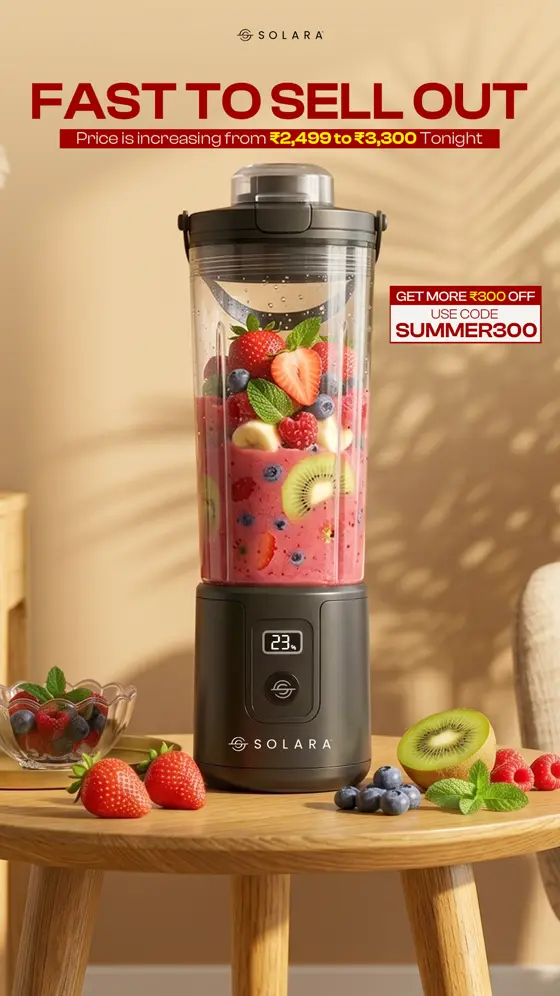
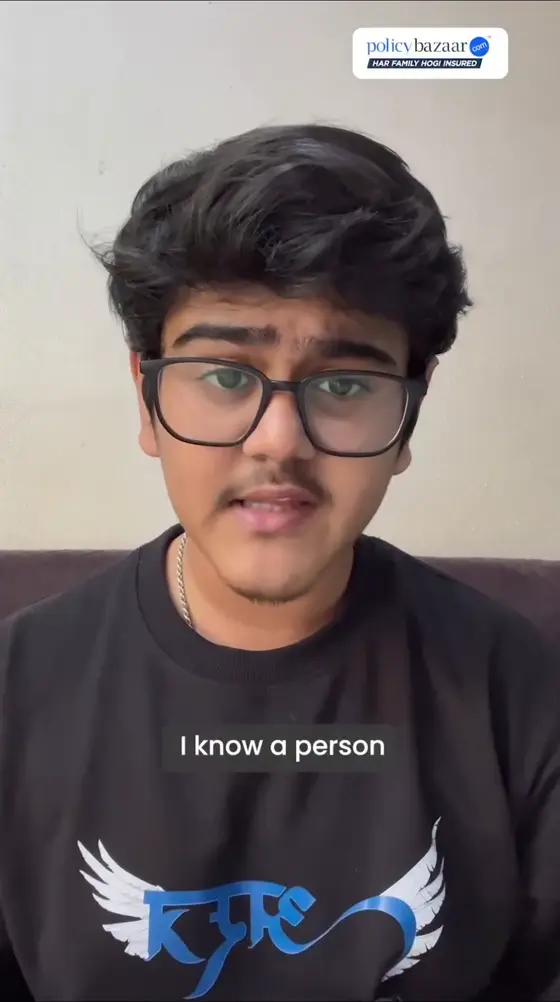
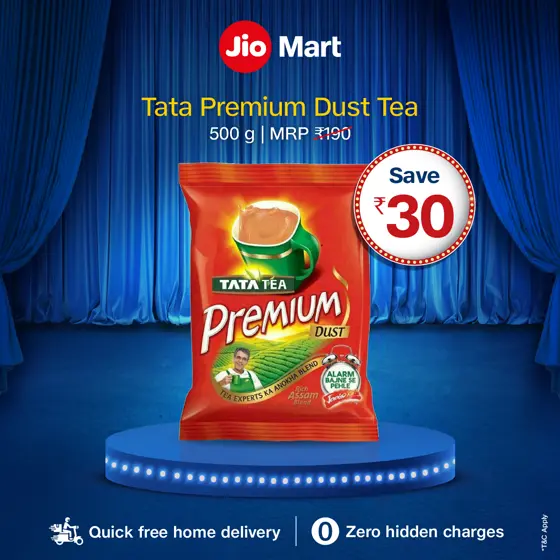
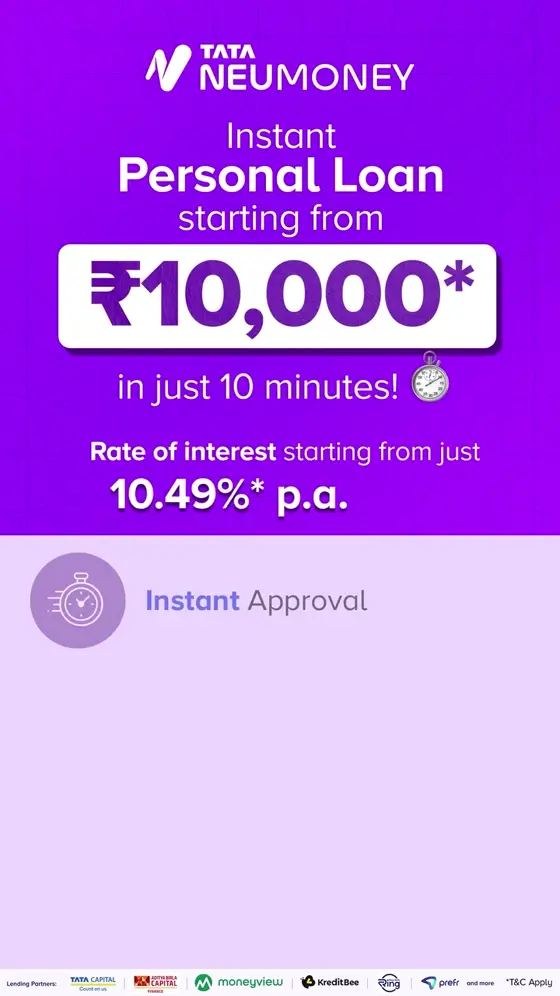
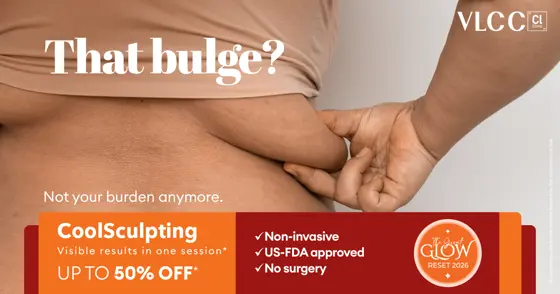
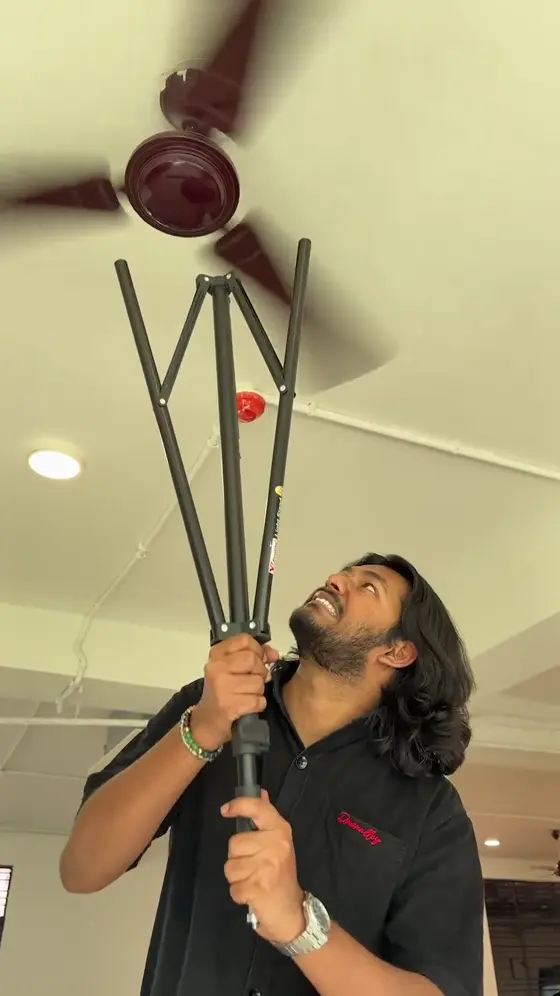
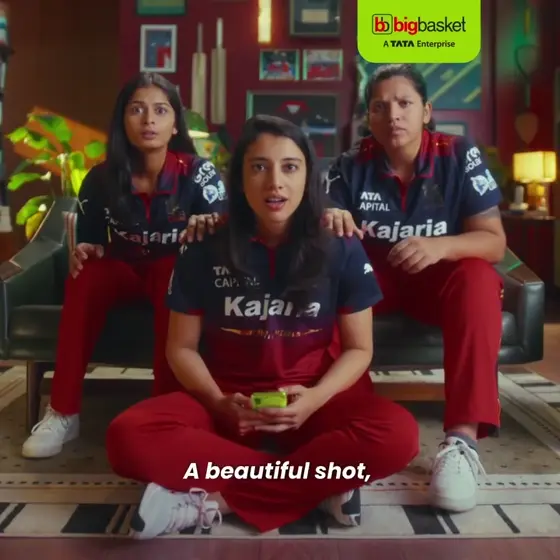
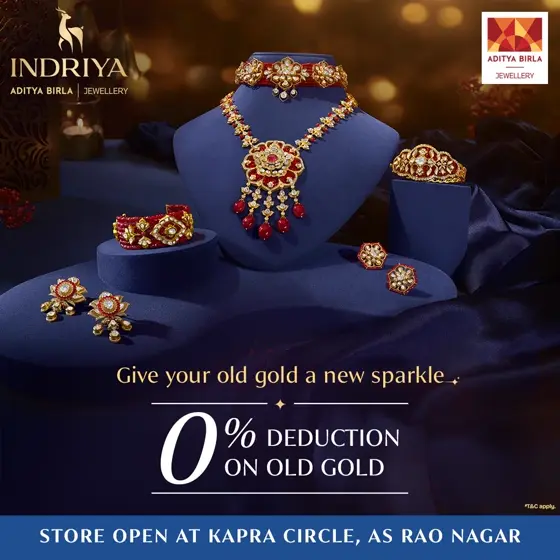
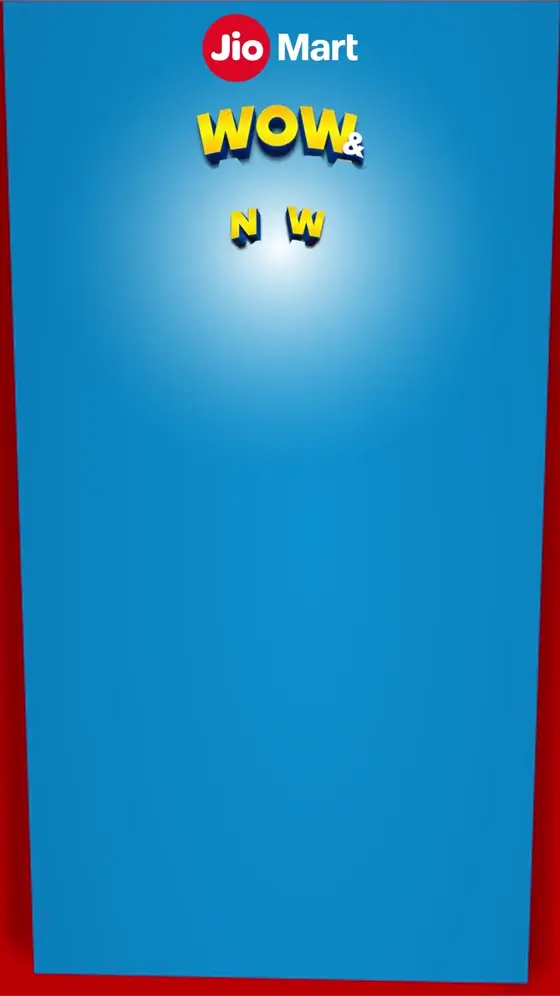
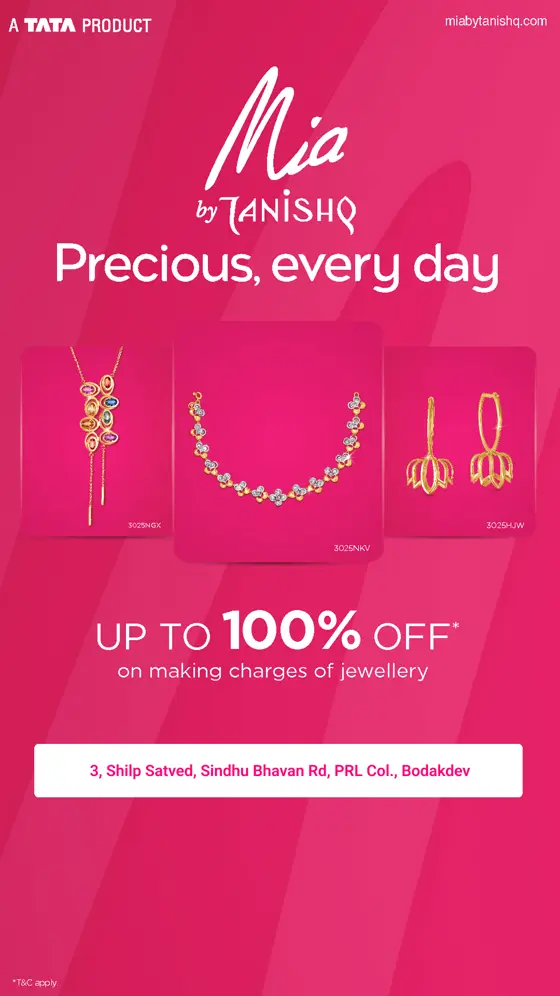
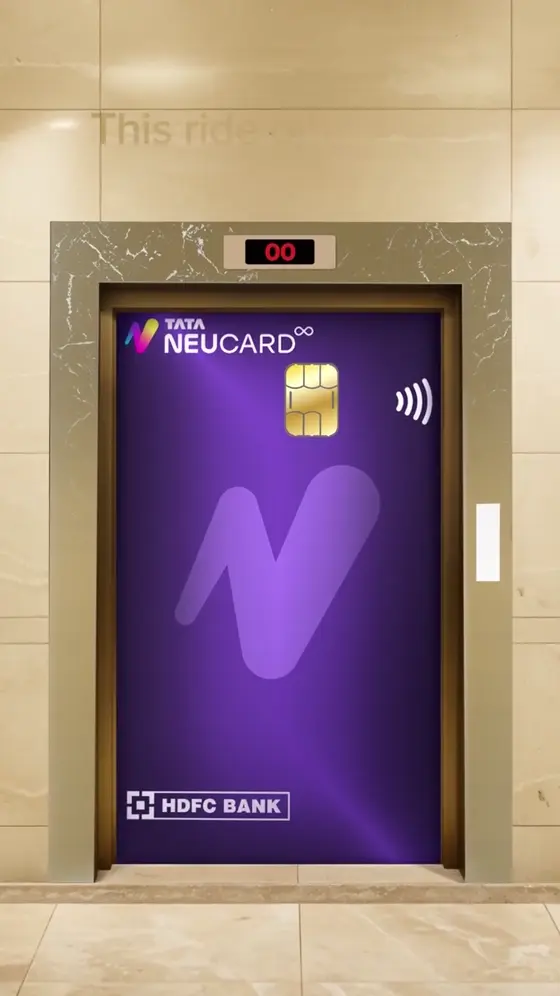
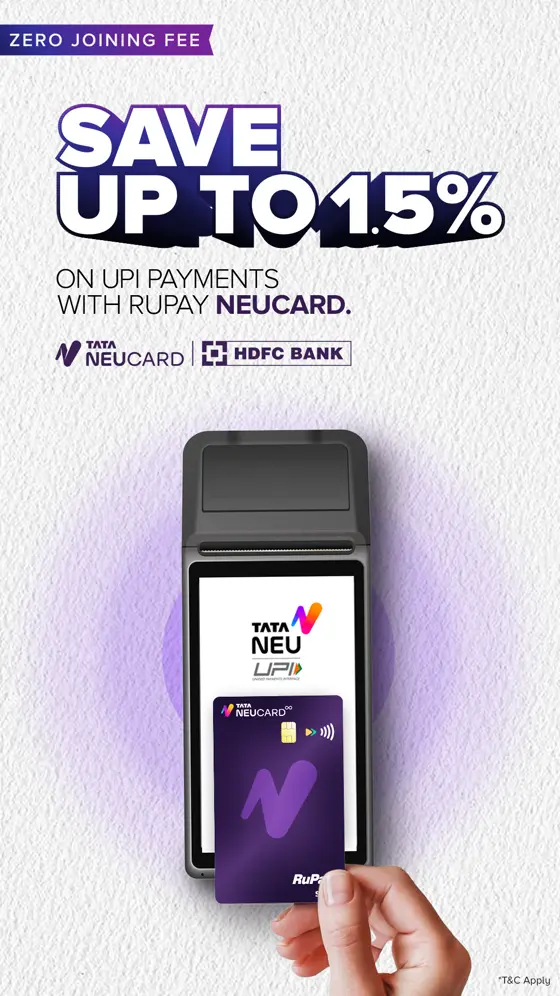
Offer-led ads in the wild
15 real creatives carrying this format, drawn from across the advertisers analysed. Video entries show their opening frame.



Other formats
Sourced from public ad libraries. The source data carries no visual-format field, so this format is assigned by matching each creative's own description against the taxonomy's vocabulary, which makes the counts indicative rather than exact. Brand pages currently cover the two-wheeler and EV set for Aug 24, 2025 → Aug 24, 2026; the format count above spans every advertiser analysed.