What is the Testimonial ad format?
A named customer states what changed for them, in their own words. It appears in 59,625 of the 7,00,232 classified creatives in this library, run by 606 different advertisers.
A named customer states what changed for them, in their own words. The format's entire value is that the speaker is not the brand; every production choice either protects that separation or spends it.
How it sits in the corpus
By volume this is the 3rd largest of the 20 formats in the library: 9% of every classified creative carries it.
606 of the 1,103 advertisers analysed (55%) run it.
The advertisers who run it commit to it: an average of 98 creatives each, against a median of 49 across formats. This is a format brands build systems around, not one they try once.
Its 92% video share is well above the corpus average of 64%: in practice this format has become motion-first, whatever the archetype says.
When to use it
When the buying question is "did this actually work for someone like me".
It answers the one question advertising cannot answer about itself: did this work for someone like me. The claim moves from the seller, who has every reason to make it, to a peer, who has none. Identification does the targeting; the viewer scans the speaker for their own age, context and problem, and the ad only lands if they find a match.
Anatomy of a good one
The structural parts a competent testimonial always has, and what each is for.
Name, face, and enough context (city, job, use case) that the viewer can locate them as real. Anonymity deletes the format's only asset.
What the person was doing, or failing at, before. A testimonial without a before is just praise.
One concrete outcome in the speaker's own phrasing, ideally with a number or a moment attached.
The pauses, the phone-camera framing, the un-scripted cadence. Roughness is the proof of authorship.
Most of the feed watches on mute; the words have to land silently.
Visible in the speaker's world (on the shelf, in the driveway) rather than presented to camera. Ownership shown in passing is proof; ownership displayed is product placement.
Craft rules
- 01
Cast for identification, not charisma. The best speaker is the one your next thousand buyers recognise as themselves.
- 02
Keep the flaw. A hesitation or an offhand qualifier does more for credibility than any production value; over-editing a testimonial converts it back into an ad.
- 03
Interview, do not script. Ask for the story of the problem and cut the answer down; scripted testimonials have a cadence viewers detect instantly.
- 04
Lead with the change, not the introduction. 'I stopped getting back pain' earns the next ten seconds; 'Hi, my name is' does not.
- 05
Match speaker to segment and run several. One testimonial is an anecdote; a rotation across ages, cities and use cases is evidence.
How it goes wrong
Polishing it into acting. Studio lighting, colour grade and a teleprompter cadence make a real customer read as a hired one.
Generic praise ('great product, great service') with no before state and nothing specific enough to be falsifiable, and therefore nothing specific enough to be believed.
Speaker-audience mismatch: a testimonial can only fail the 'someone like me' test once before the viewer scrolls.
The shapes it takes
One label, several distinct executions. The variants are worth testing as separate ads, because the platform will price them differently.
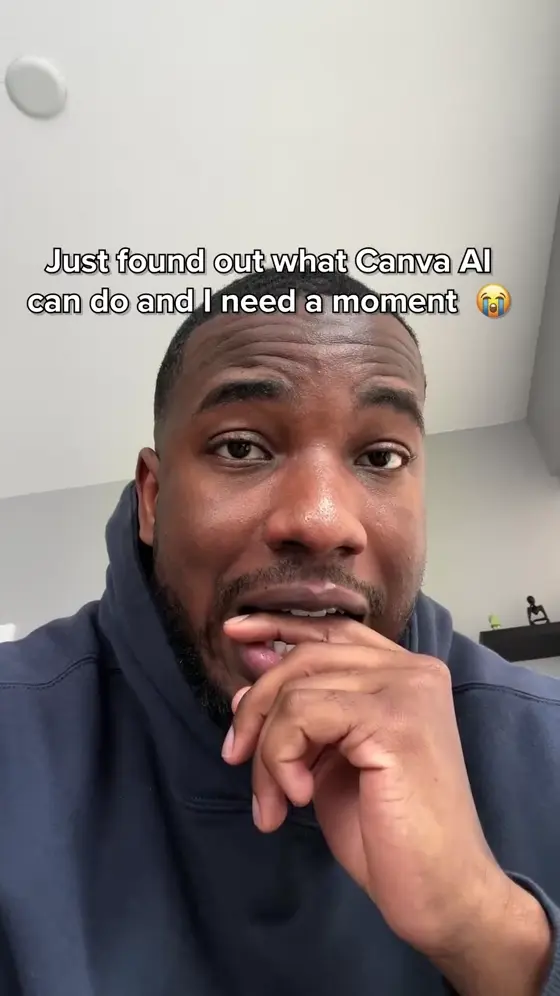
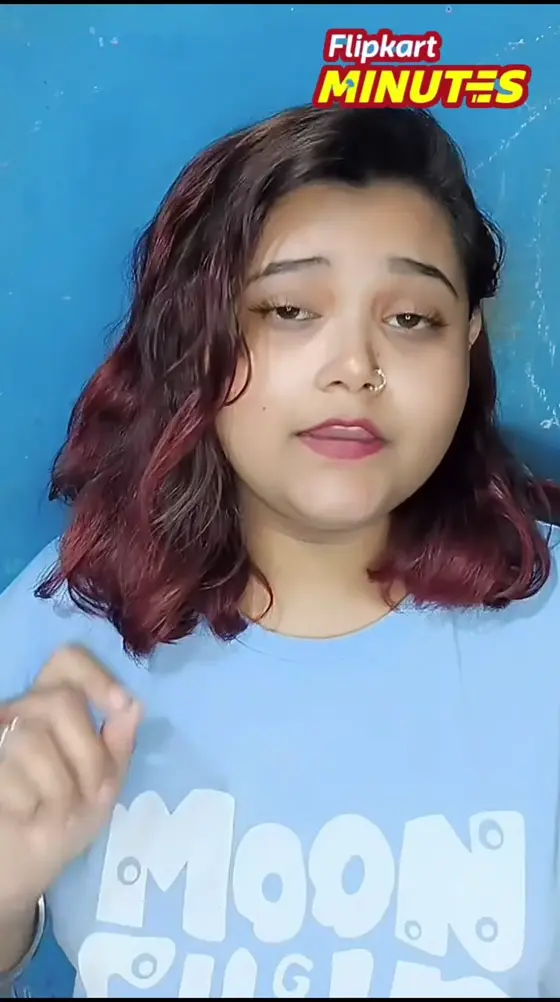
The customer tells it straight to lens, phone-framed. The default, and the strongest when the casting is right.
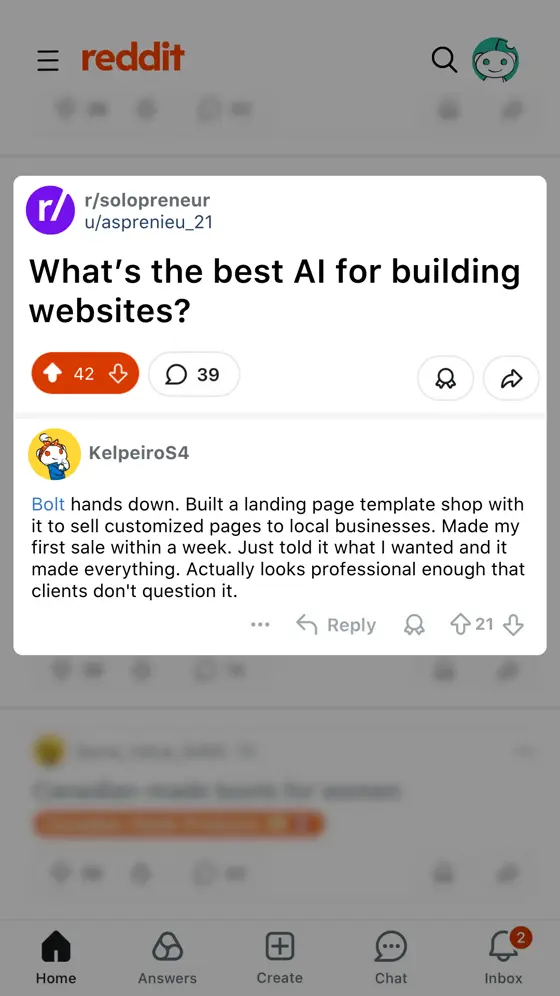
The static shape: a verbatim line, name and photo. Cheap to produce at volume; carries less proof because the person never speaks.
Many short clips cut on the same claim. Trades depth for consensus; useful when the objection is 'that is one person'.
The customer shows the outcome (the room, the report, the bike) rather than describing it. Half testimonial, half demo, often the strongest of the four.
When it wears out
A single testimonial fatigues like any ad, but the format refreshes cheaply: the fix is a new speaker, not a new concept. When frequency climbs, widen the casting before touching the structure; the story arc is the constant, the person is the variable.
What to run alongside it
Who runs this format
606 advertisers run this format. Of the brands with a page in this library, Canva runs it hardest, with 2,758 creatives in this shape.
- Canva2,758 creatives
- Oolka2,390 creatives
- Minutes - Flipkart2,267 creatives
- OZiva1,703 creatives
- GoodScore1,535 creatives
- Hinge1,208 creatives
- Mathnasium889 creatives
- Frido870 creatives
- Manmatters746 creatives
- Kumon721 creatives
- Aisle656 creatives
- Traya607 creatives
- Replit607 creatives
- Wise554 creatives
- Pilgrim552 creatives
- Jeevansathi551 creatives
- BrightCHAMPS528 creatives
- The Derma Co.516 creatives
- Coursera442 creatives
- Superpower441 creatives
- Arike396 creatives
- Moxie Beauty388 creatives
- Our Place375 creatives
- Planetspark373 creatives
- Stripe371 creatives
- Synthesis355 creatives
- Myjar325 creatives
- MasterClass320 creatives
- Coding Ninjas286 creatives
- Vedantu278 creatives
- Be Bodywise268 creatives
- Foxtale258 creatives
- Wakefit257 creatives
- Intellipaat247 creatives
- Bella Vita244 creatives
- Wellbeing Nutrition244 creatives
- Wint Wealth233 creatives
- Masters' Union219 creatives
- Sensodyne207 creatives
- Caraway204 creatives
- HexClad198 creatives
- Western Union195 creatives
- WishCare192 creatives
- Lovable187 creatives
- Ace Blend179 creatives
- Solara161 creatives
- ZET154 creatives
- ScoreUp154 creatives
- Skydo148 creatives
- Function Health132 creatives
- Bolt123 creatives
- Policybazaar118 creatives
- Func Lab114 creatives
- The Indus Valley113 creatives
- Beardo110 creatives
- Elevate Now98 creatives
- Made In Cookware97 creatives
- Outskill97 creatives
- Suzuki88 creatives
- Kushals85 creatives
- Great Learning83 creatives
- 1mg76 creatives
- TamilShaadi74 creatives
- Yamaha Motors India72 creatives
- CosMix71 creatives
- IGP71 creatives
- Daily Bhakti71 creatives
- Postly70 creatives
- Dr Sheths69 creatives
- FirstClub56 creatives
- Varalife55 creatives
- Stahl50 creatives
- Tata Neu50 creatives
- IKEA47 creatives
- Kolorshealthcare46 creatives
- Paytm42 creatives
- HealthifyMe41 creatives
- GoKwik40 creatives
- Tinder37 creatives
- Palmonas37 creatives
- Orange Health37 creatives
- Great Jones35 creatives
- NxtWave31 creatives
- Chetak31 creatives
- ICICI Prudential Life Insurance31 creatives
- Joinditto31 creatives
- Newton School30 creatives
- ThriveCo28 creatives
- P-TAL27 creatives
- Ember Cookware27 creatives
- MuscleBlaze27 creatives
- New Balance26 creatives
- EMORI25 creatives
- Telugushaadi21 creatives
- JioMart19 creatives
- Base4419 creatives
- Payu17 creatives
- Nykaa Fashion16 creatives
- Healthians16 creatives
- Pine Labs15 creatives
- Kaagaz15 creatives
- Home essentials15 creatives
- Simplilearn13 creatives
- The Artment13 creatives
- Khan Academy13 creatives
- SKECHERS13 creatives
- Borosil12 creatives
- Delta Faucet11 creatives
- ASICS11 creatives
- Codingal11 creatives
- Rustomjee10 creatives
- GRIP10 creatives
- Runwal Realty10 creatives
- Reliance Digital9 creatives
- Emma Mattress9 creatives
- Bare Anatomy9 creatives
- Dosti Realty9 creatives
- Storytel8 creatives
- Myntra8 creatives
- BlueStone8 creatives
- Bergner6 creatives
- Indriya6 creatives
- PayPal5 creatives
- Hiranandani5 creatives
- Aprilia4 creatives
- Accor4 creatives
- Sleepwell4 creatives
- Caratlane4 creatives
- Rubans4 creatives
- Under Armour4 creatives
- PW Skills3 creatives
- Adyen3 creatives
- Tataaia3 creatives
- Tramontina3 creatives
- Zoomcar3 creatives
- Chumbak3 creatives
- Puravankara3 creatives
- Kotak Neo3 creatives
- Marriott2 creatives
- Honda 2 Wheelers India2 creatives
- VLCC2 creatives
- HDFC Life2 creatives
- Wooden Street2 creatives
- Trimfinity2 creatives
- Mia by Tanishq2 creatives
- Jiraaf2 creatives
- Payoneer1 creatives
- Zavya1 creatives
- Ajio1 creatives
- IndiaBonds1 creatives
- Bajajauto1 creatives
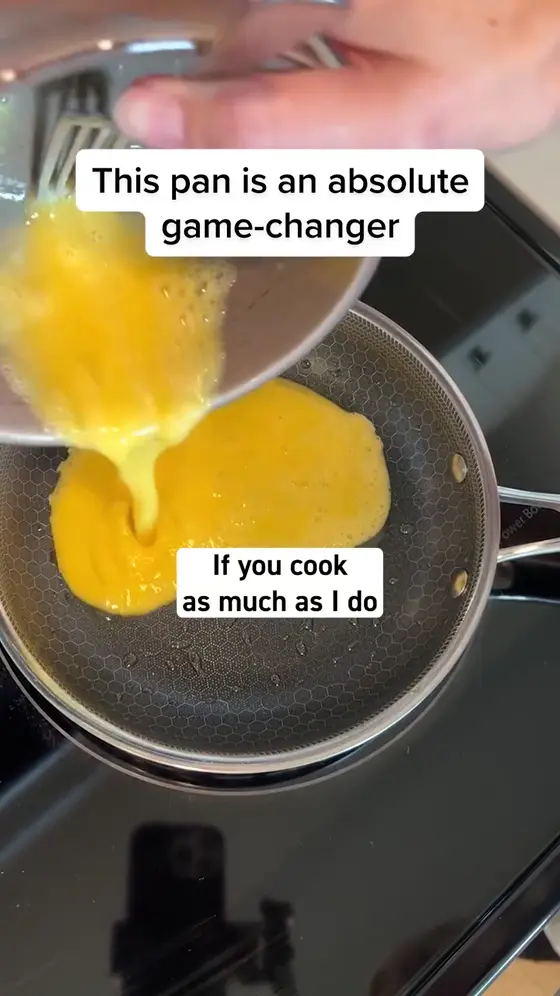
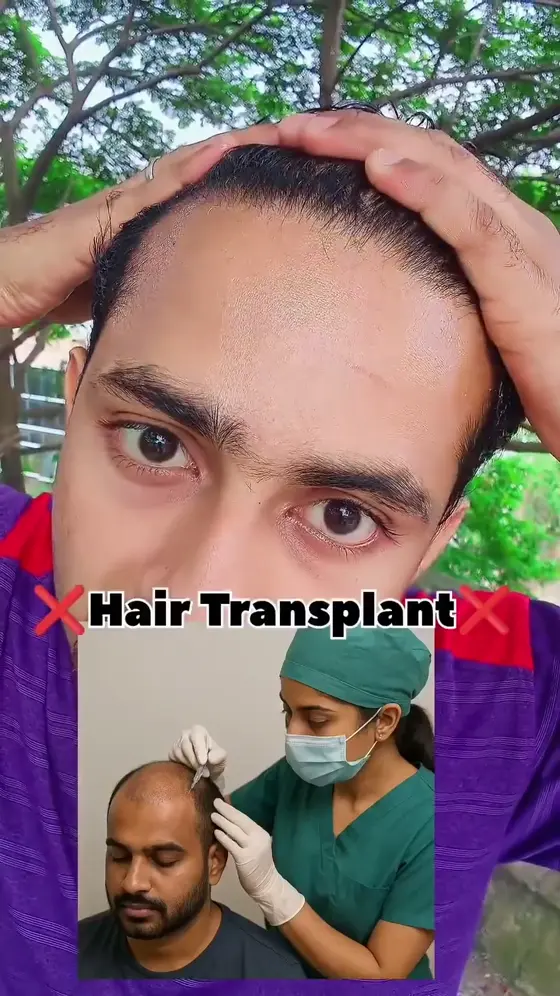
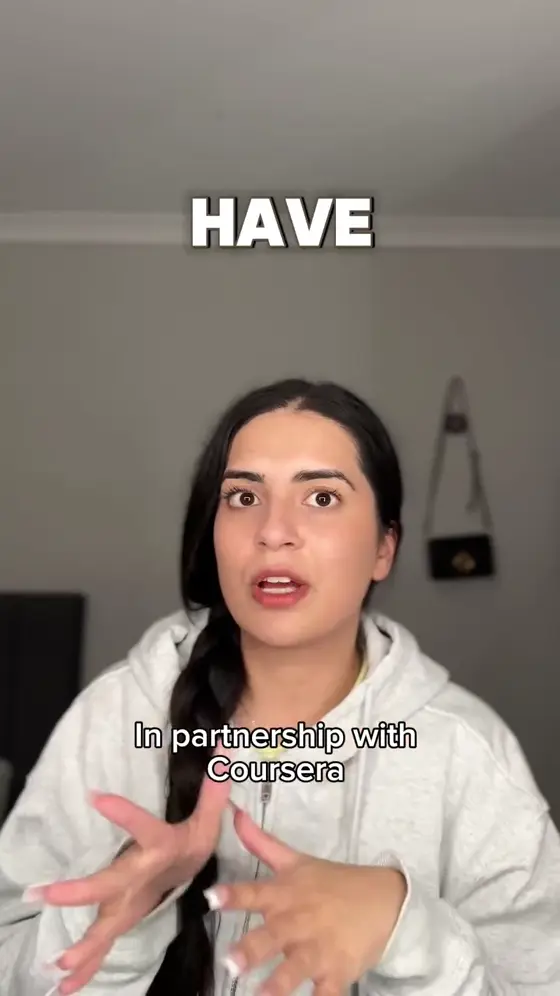
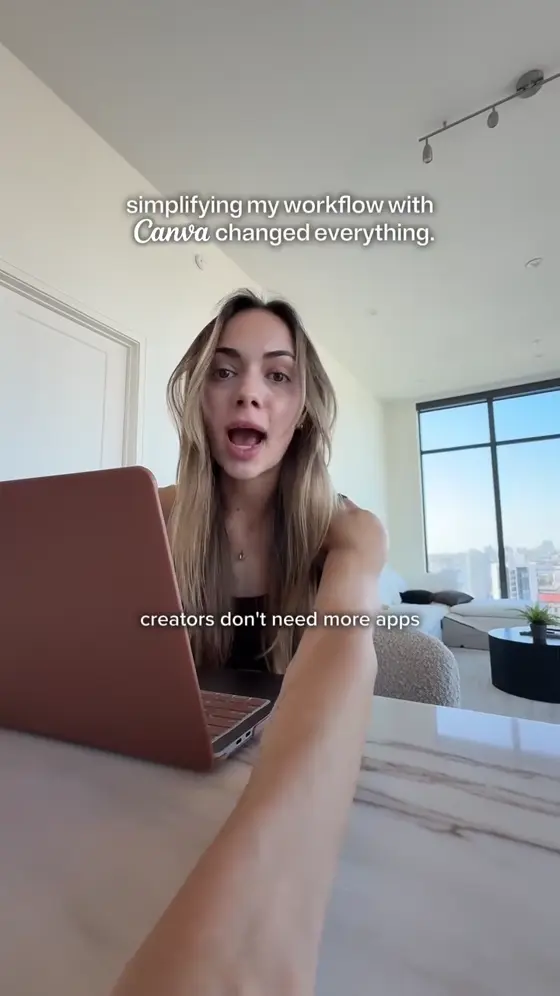
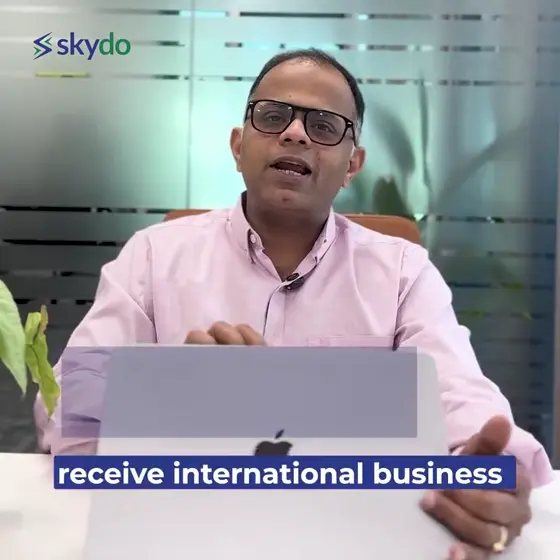
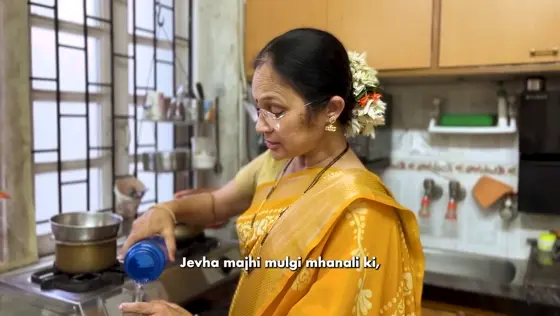
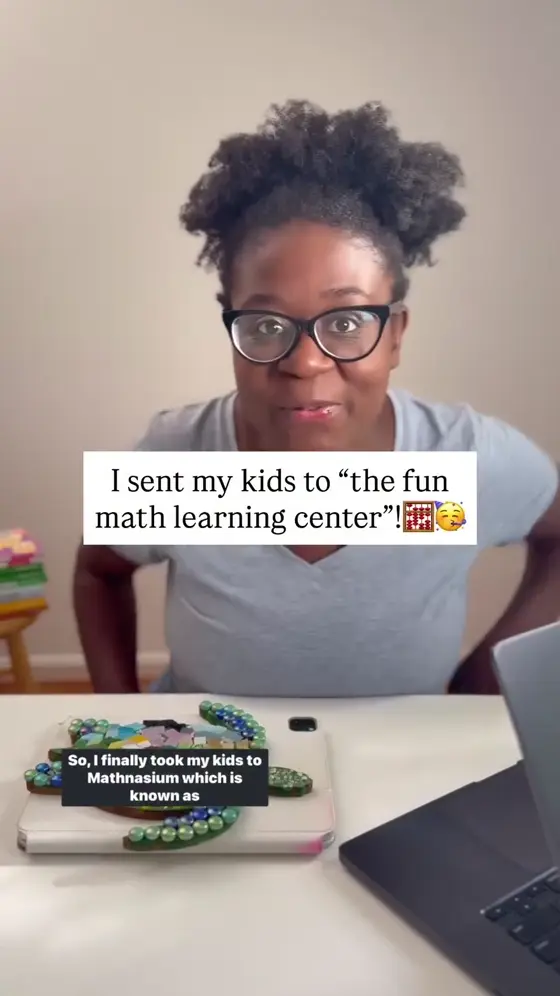
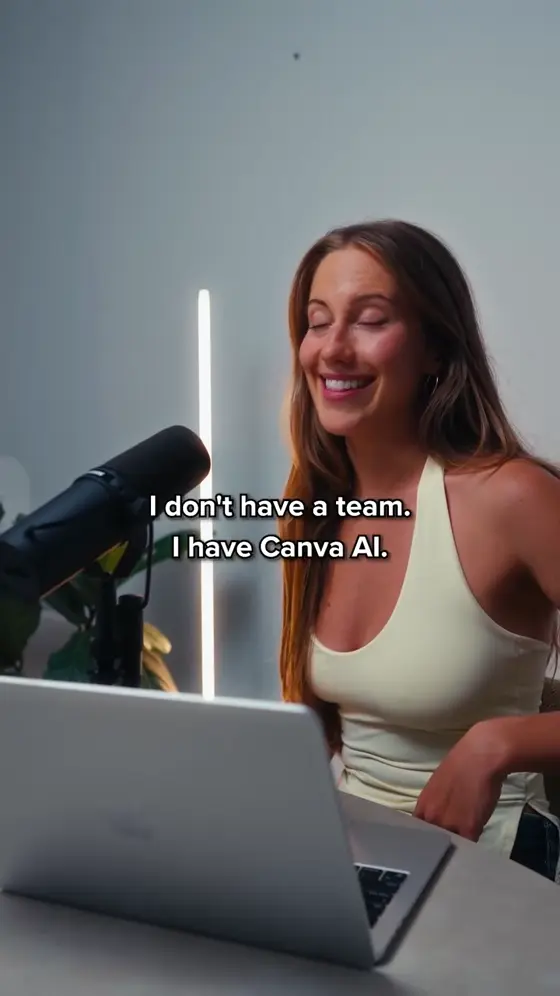
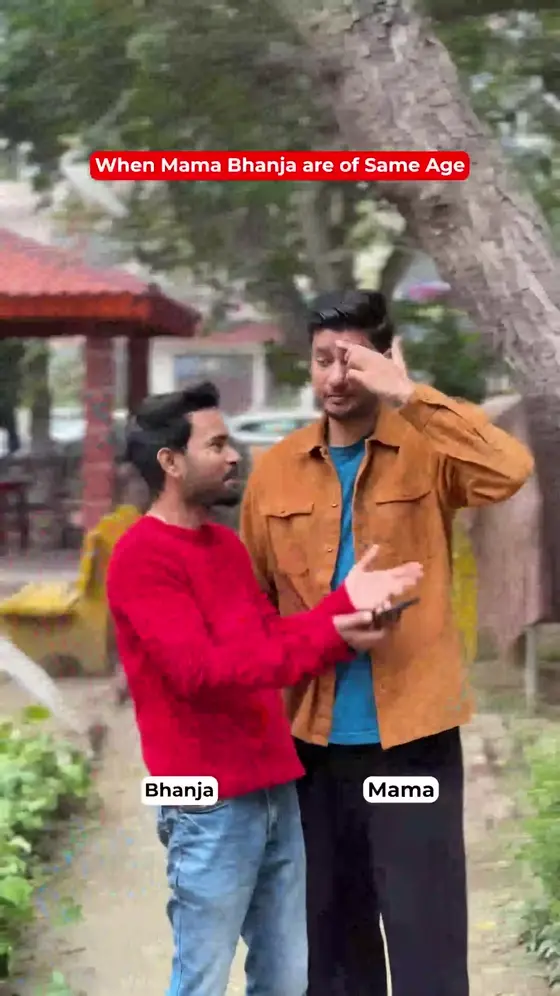
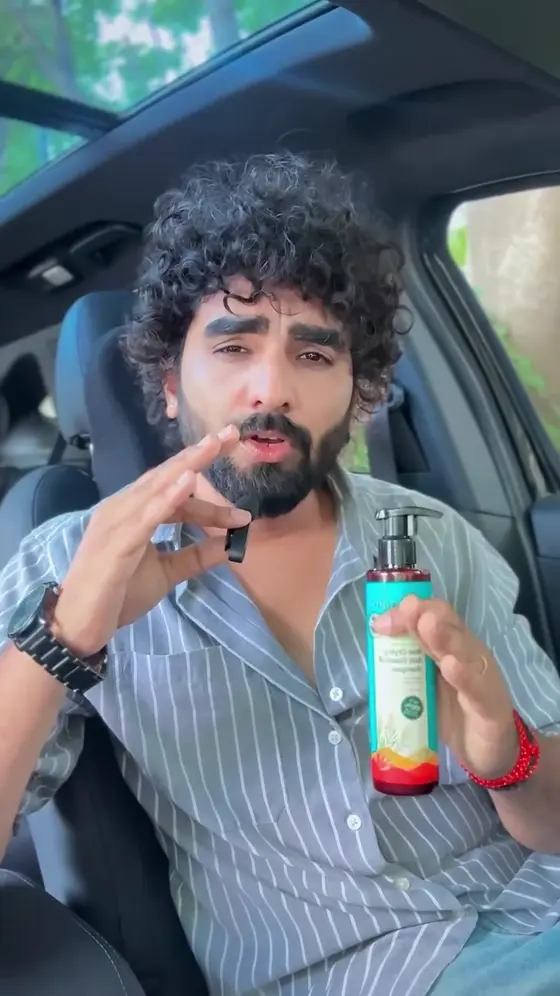
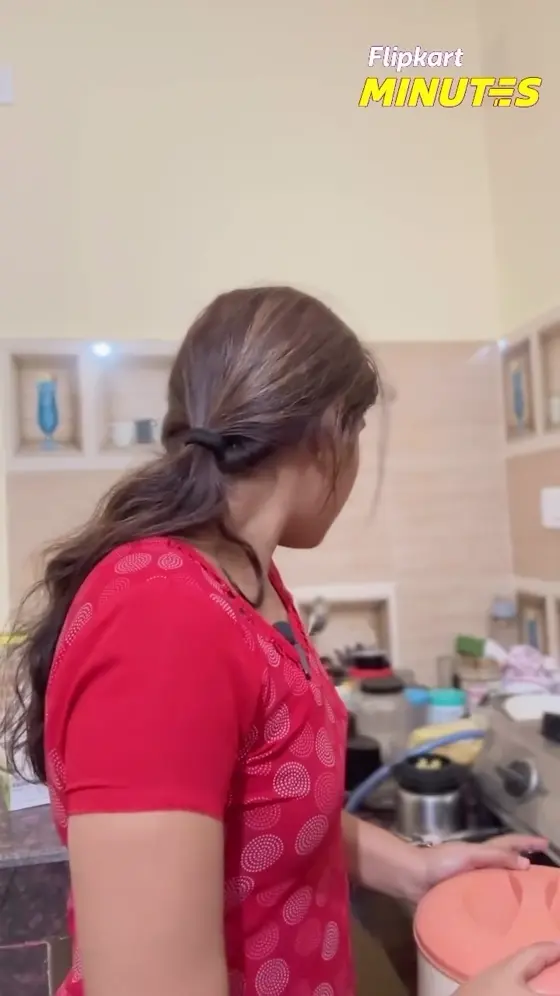
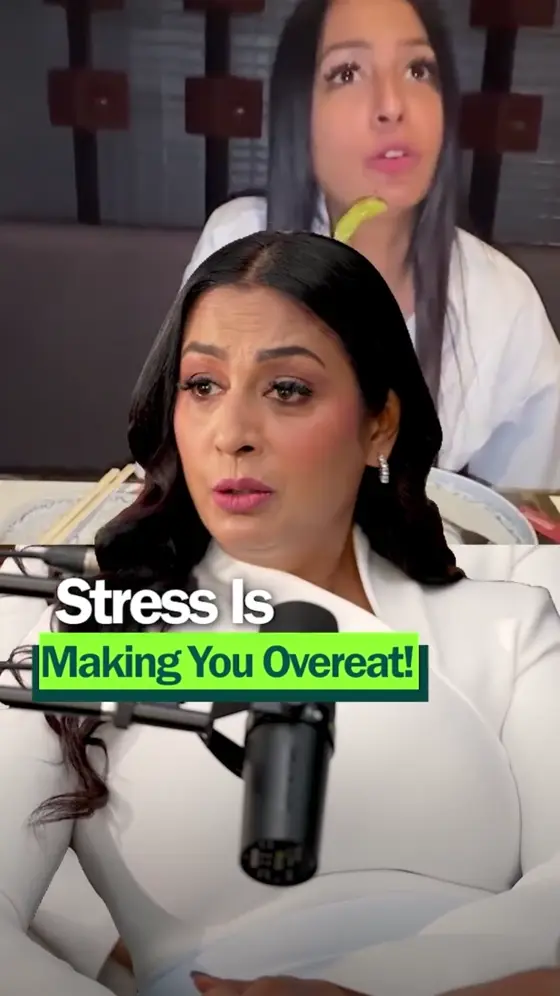
Testimonial ads in the wild
15 real creatives carrying this format, drawn from across the advertisers analysed. Video entries show their opening frame.
Other formats
Sourced from public ad libraries. The source data carries no visual-format field, so this format is assigned by matching each creative's own description against the taxonomy's vocabulary, which makes the counts indicative rather than exact. Brand pages currently cover the two-wheeler and EV set for Aug 24, 2025 → Aug 24, 2026; the format count above spans every advertiser analysed.