What is the Problem and solution ad format?
A named pain is dramatised first, the product answers it second. It appears in 44,855 of the 7,00,232 classified creatives in this library, run by 514 different advertisers.
The ad spends its opening on the viewer's pain, named and dramatised, and only then introduces the product as the answer. Effectively every example in this corpus is video, because the format is a two-act structure and needs time to run both acts.
Problem-Solution is counted on two axes, and the two numbers are not the same: 44,855 creatives here as a visual format, against 70,128 ads as a hook type.
They measure different things. A visual format describes the shape of the whole creative; a hook type describes only how it opens. An ad built as a problem and solution piece can still open on a price line, so it counts once and not the other. The two also run over different sets of advertisers, which is why the advertiser counts (514 against 167) diverge further than the ad counts do.
See it as a hook type→How it sits in the corpus
By volume this is the 5th largest of the 20 formats in the library: 6% of every classified creative carries it.
514 of the 1,103 advertisers analysed (47%) run it.
Depth per advertiser sits near the middle of the pack: about 87 creatives each, against a cross-format median of 49.
At 100% video it is effectively a pure video format; there is no meaningful static version to fall back on, so the production bar is the price of entry.
When to use it
When the audience feels the problem but has not connected it to a category.
It sells the problem before the product. An audience can feel a pain daily without ever connecting it to a purchasable category; the dramatisation does that connecting. Recognition is the hook ('that is exactly what happens to me'), and it buys the attention the solution act spends. The product then enters not as an option among many but as the specific mechanism that removes the specific pain just shown.
Anatomy of a good one
The structural parts a competent problem and solution always has, and what each is for.
A concrete moment of the problem happening, shot from the sufferer's point of view. Specificity is what triggers recognition.
One or two beats on the cost of the problem: time, money, embarrassment, repetition. This is what separates the format from a demo.
The product's entrance, positioned as mechanism: how it removes the cause, not just the symptom.
The same scene replayed without the problem. The mirror structure is what makes the argument feel complete.
What to do next, framed as escaping the problem rather than acquiring the product.
The person having the problem cast as the audience, not as an actor's exaggeration of them. Recognition is cast before it is written.
Craft rules
- 01
Open inside the problem, not before it. The first three seconds must show the pain happening; setup is scroll-away time.
- 02
Pick one problem per ad. The product may solve five, but recognition is singular; a viewer identifies with a moment, not a list.
- 03
Make the problem the audience's actual phrasing of it. Corpus examples fail most often by dramatising the brand's diagnosis instead of the buyer's complaint.
- 04
Spend at most a third of the runtime on the problem; agitation past recognition curdles into dwelling.
- 05
Show the mechanism at the turn. A product that fixes the problem by cut ('and then everything was fine') asks for faith the format was built to avoid needing.
How it goes wrong
A problem so exaggerated the viewer disowns it. Recognition fails both when the pain is too generic and when it is cartoonish.
The unearned turn: agitating one problem and demonstrating a product that answers a different one.
Running it to buyers already past the problem stage, for whom the first act is a delay in front of the spec answer they came for.
The shapes it takes
One label, several distinct executions. The variants are worth testing as separate ads, because the platform will price them differently.
Acted scene of the pain, product resolves it. The canonical TV-inherited shape.
A presenter names the problem to camera, then demonstrates the fix. Cheaper, faster to test, carries most of the corpus volume.
First-person footage of the problem as the viewer meets it. The strongest opens in feed environments.
'The reason X keeps happening is not what you think.' The problem is reframed before being solved; strong when the category has a wrong default explanation.
When it wears out
The structure does not fatigue; specific dramatisations do. When a winning ad decays, keep the two-act skeleton and recast the pain moment for the next segment. A problem-solution library is really a library of recognisable moments.
What to run alongside it
Who runs this format
514 advertisers run this format. Of the brands with a page in this library, Oolka runs it hardest, with 7,514 creatives in this shape.
- Oolka7,514 creatives
- GoodScore2,308 creatives
- Minutes - Flipkart1,927 creatives
- Canva1,056 creatives
- Frido1,014 creatives
- Paytm522 creatives
- Replit508 creatives
- Myjar475 creatives
- Policybazaar410 creatives
- Manmatters387 creatives
- ScoreUp361 creatives
- ZET354 creatives
- Vedantu339 creatives
- Skydo327 creatives
- OZiva304 creatives
- BrightCHAMPS303 creatives
- 1mg301 creatives
- The Indus Valley291 creatives
- The Derma Co.276 creatives
- Planetspark265 creatives
- Wise259 creatives
- Be Bodywise244 creatives
- Postly191 creatives
- Jeevansathi183 creatives
- ICICI Prudential Life Insurance165 creatives
- Wellbeing Nutrition155 creatives
- Kaagaz155 creatives
- Daily Bhakti143 creatives
- Moxie Beauty138 creatives
- Wakefit137 creatives
- Foxtale127 creatives
- Orange Health117 creatives
- Bolt112 creatives
- Trimfinity110 creatives
- Home essentials108 creatives
- Pilgrim106 creatives
- Solara105 creatives
- Beardo96 creatives
- Traya95 creatives
- Elevate Now91 creatives
- Kolorshealthcare91 creatives
- Dr Sheths89 creatives
- Caraway88 creatives
- Synthesis87 creatives
- Superpower82 creatives
- Myntra76 creatives
- Tata Neu73 creatives
- Healthians71 creatives
- Jiraaf69 creatives
- Stripe65 creatives
- Kumon63 creatives
- HexClad62 creatives
- Wint Wealth60 creatives
- FirstClub54 creatives
- Lovable54 creatives
- P-TAL53 creatives
- Palmonas52 creatives
- Coursera50 creatives
- Simplilearn44 creatives
- Nykaa Fashion44 creatives
- Western Union44 creatives
- IGP44 creatives
- Angel One38 creatives
- Bella Vita38 creatives
- Hinge38 creatives
- Our Place38 creatives
- Coding Ninjas37 creatives
- TamilShaadi33 creatives
- Aisle32 creatives
- Made In Cookware32 creatives
- Xflowpay32 creatives
- Arike31 creatives
- Intellipaat31 creatives
- Reliance Digital30 creatives
- 5paisa28 creatives
- Tataaia28 creatives
- Chetak26 creatives
- Emma Mattress26 creatives
- Kushals26 creatives
- HDFC Life26 creatives
- Payoneer25 creatives
- MasterClass25 creatives
- WishCare23 creatives
- Masters' Union23 creatives
- Borosil23 creatives
- ICICI Lombard22 creatives
- The Artment22 creatives
- Joinditto21 creatives
- Ember Cookware20 creatives
- Base4420 creatives
- CosMix19 creatives
- IKEA19 creatives
- Tinder18 creatives
- Stahl16 creatives
- Outskill15 creatives
- ICICI Bank15 creatives
- Bergner14 creatives
- Telugushaadi13 creatives
- JioMart13 creatives
- Ace Blend12 creatives
- Sensodyne12 creatives
- Payu11 creatives
- ThriveCo11 creatives
- Function Health11 creatives
- Dosti Realty10 creatives
- Ajio9 creatives
- Newton School9 creatives
- BlueStone8 creatives
- MuscleBlaze8 creatives
- GoKwik7 creatives
- Khan Academy7 creatives
- Tatacliq6 creatives
- Great Learning6 creatives
- Bigbasket6 creatives
- NxtWave5 creatives
- Lodge5 creatives
- Carswitch4 creatives
- ZunRoof4 creatives
- Wonderchef4 creatives
- Zoomcar4 creatives
- HealthifyMe4 creatives
- Kotak Neo4 creatives
- Delta Faucet3 creatives
- PayPal3 creatives
- Sleepwell3 creatives
- Mia by Tanishq3 creatives
- SKECHERS3 creatives
- VLCC3 creatives
- Varalife3 creatives
- SBI life3 creatives
- Storytel2 creatives
- Urban Ladder2 creatives
- Marriott1 creatives
- ASICS1 creatives
- GRIP1 creatives
- Rubans1 creatives
- Mathnasium1 creatives
- Kalyan Jewellers1 creatives
- Func Lab1 creatives
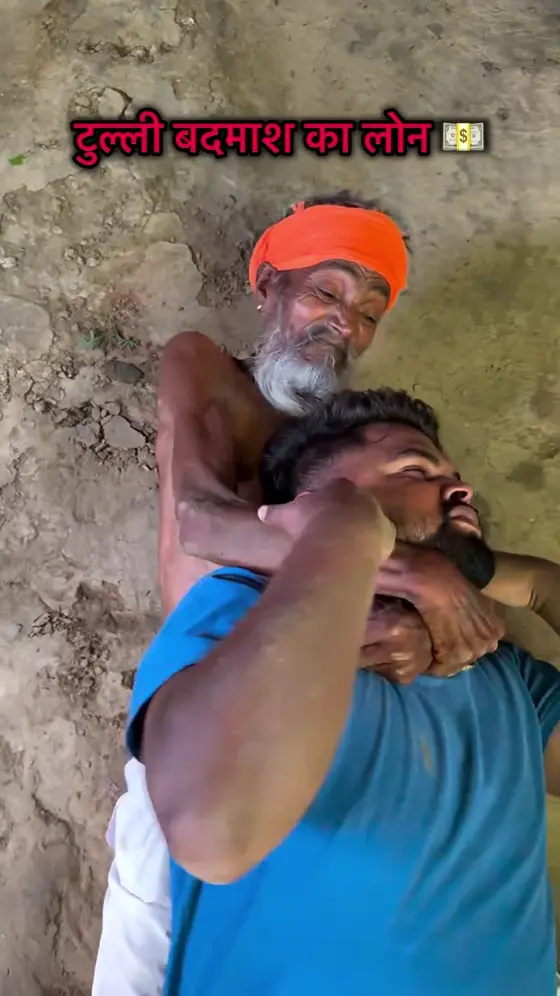
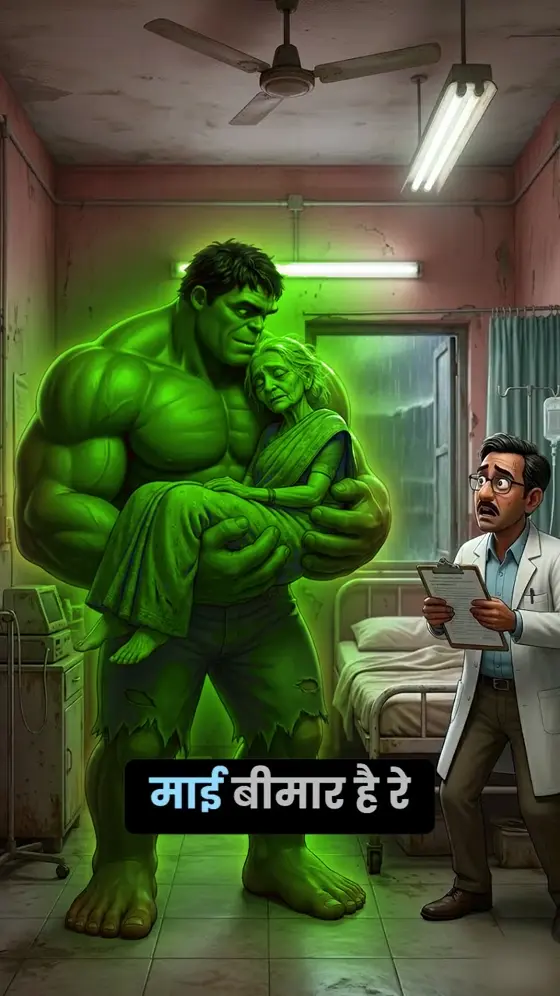
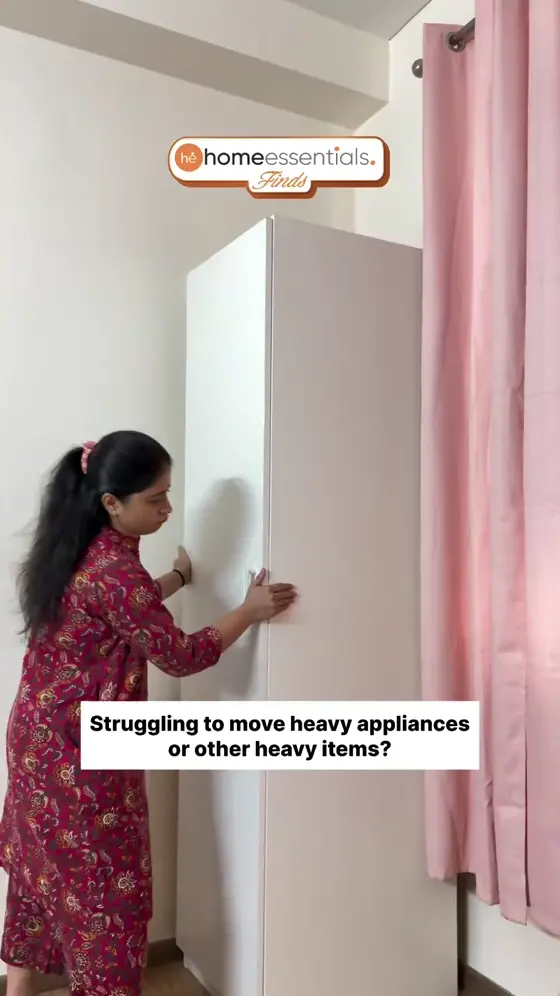
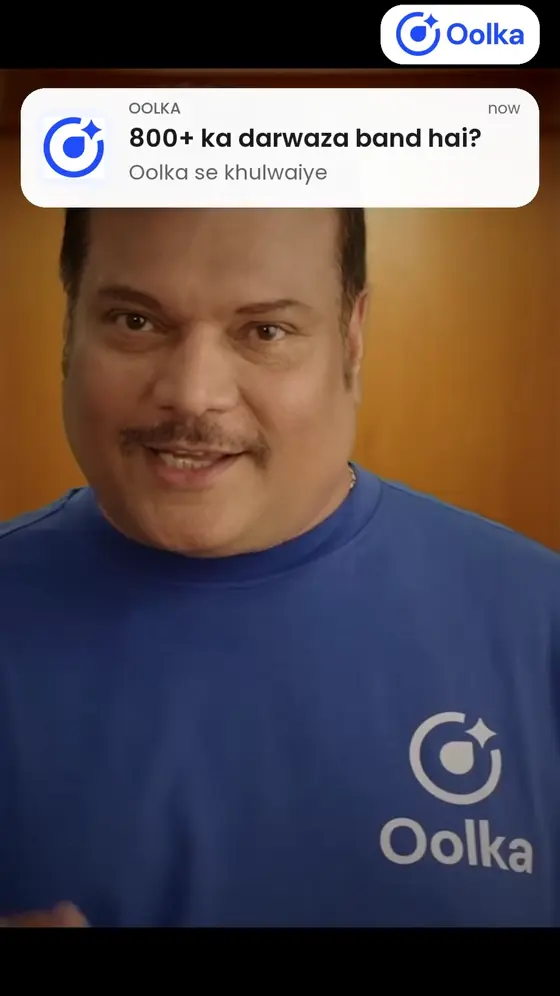
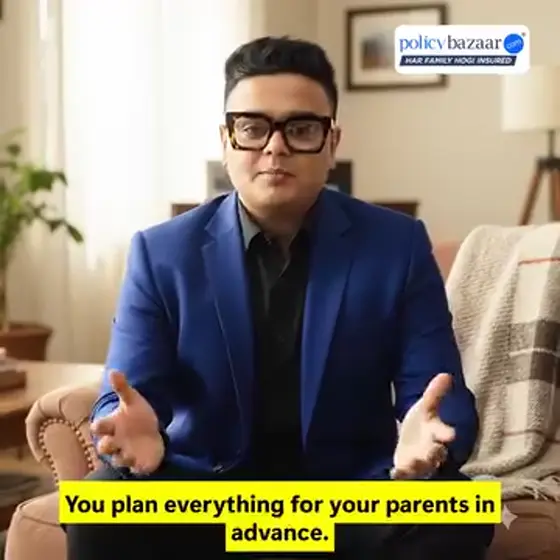
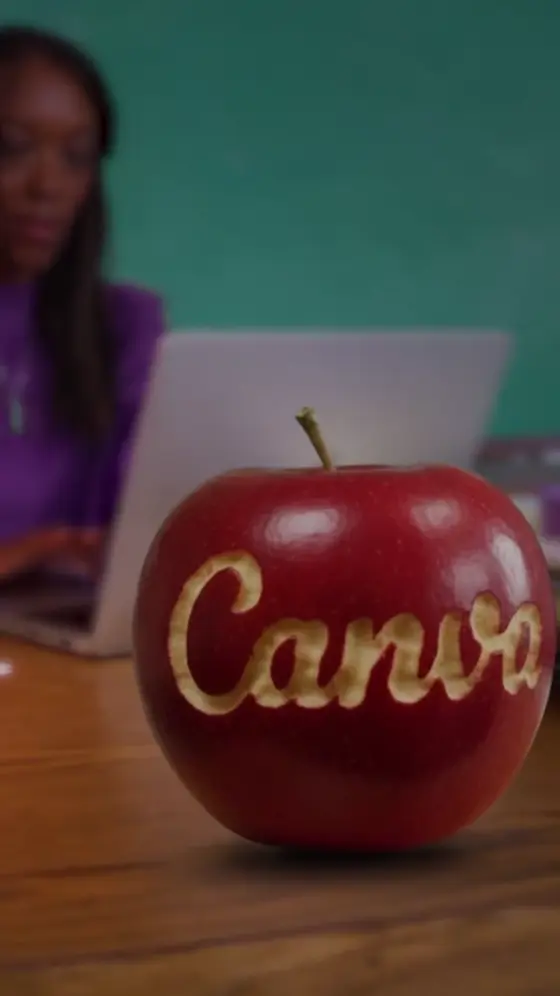
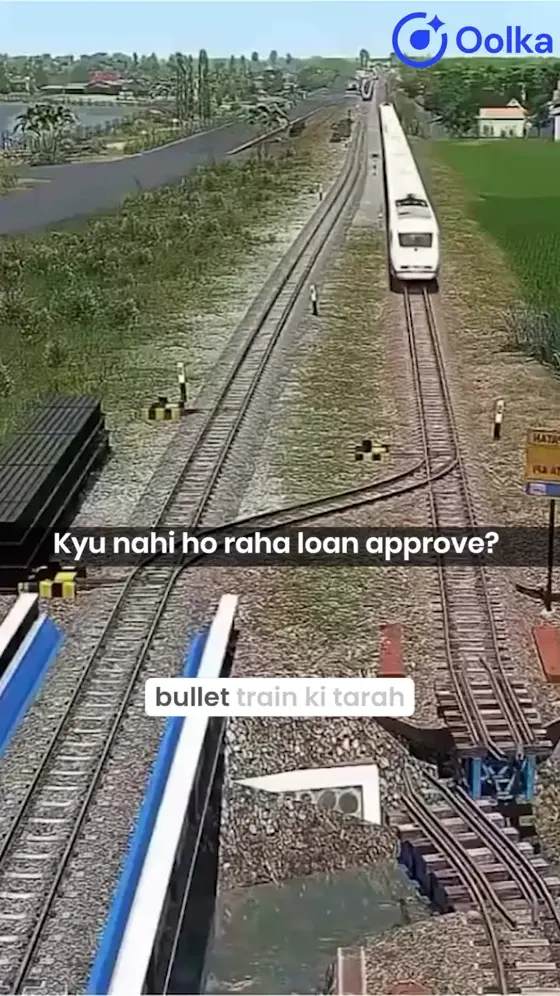
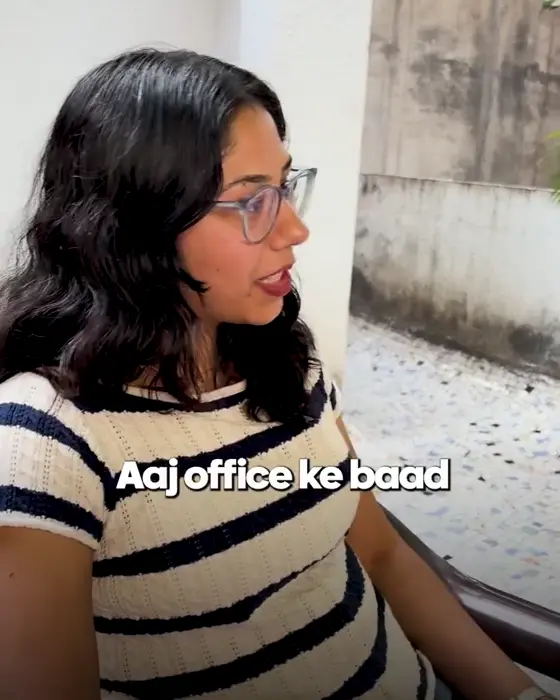
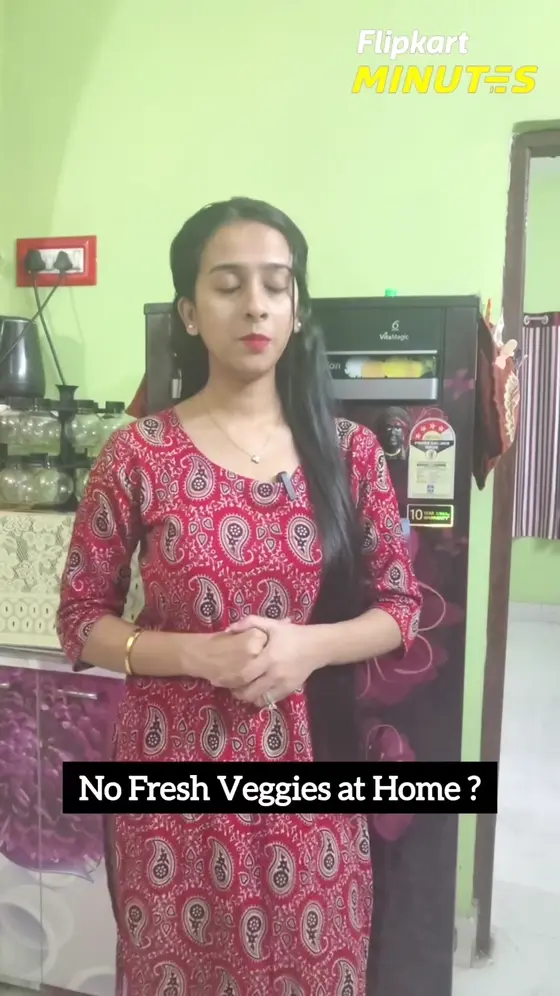
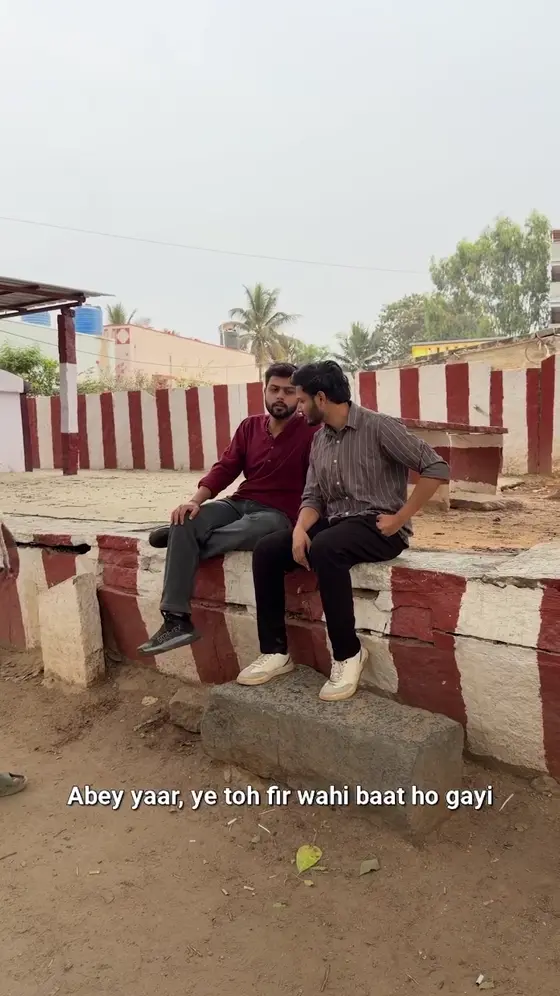
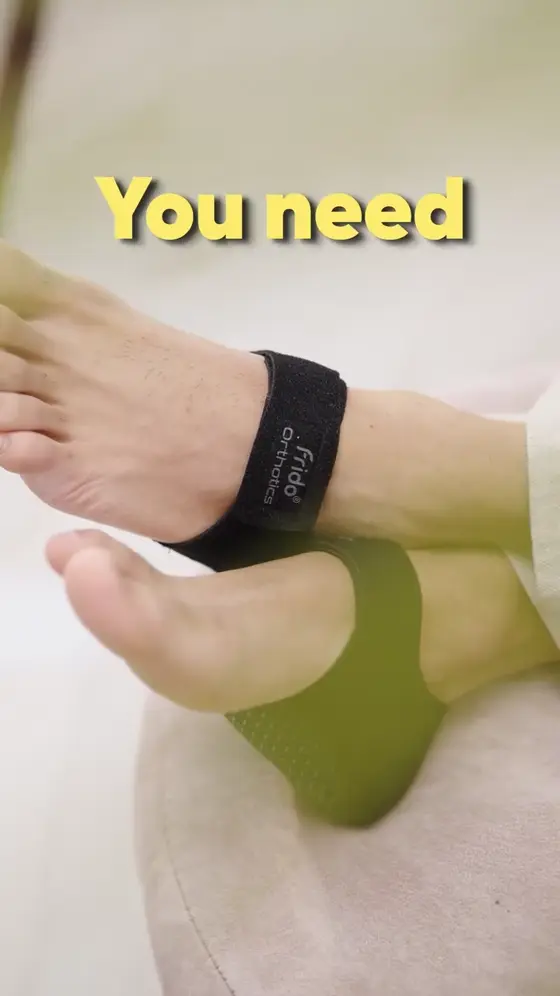
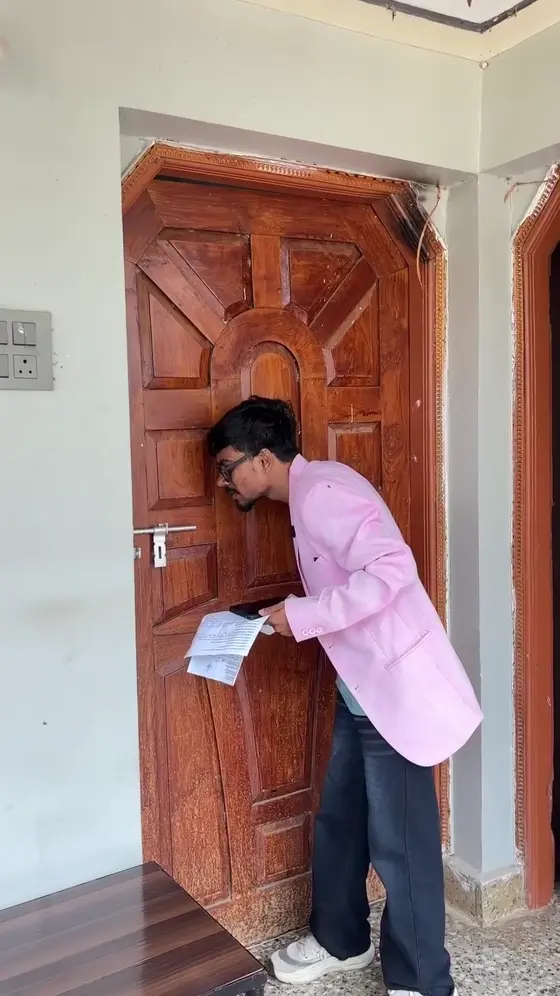
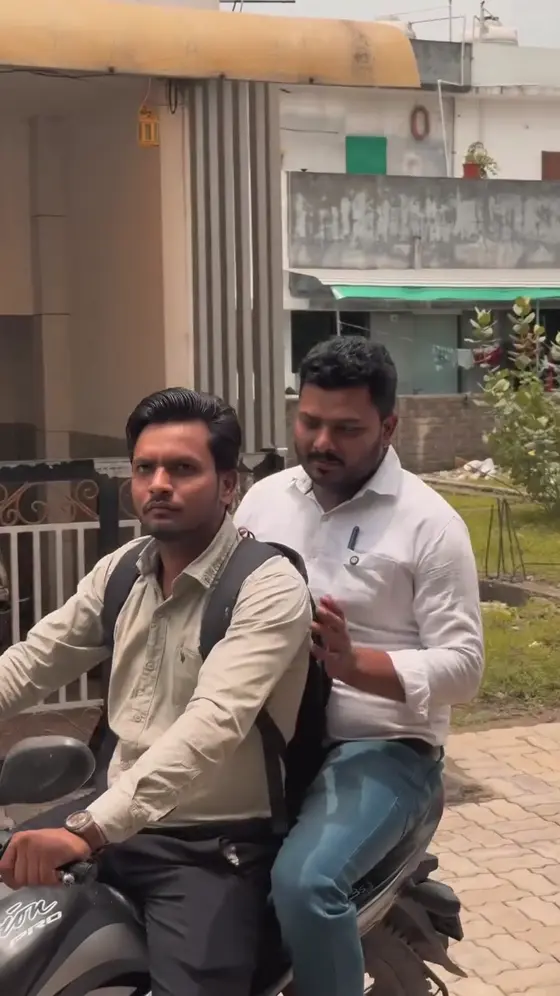
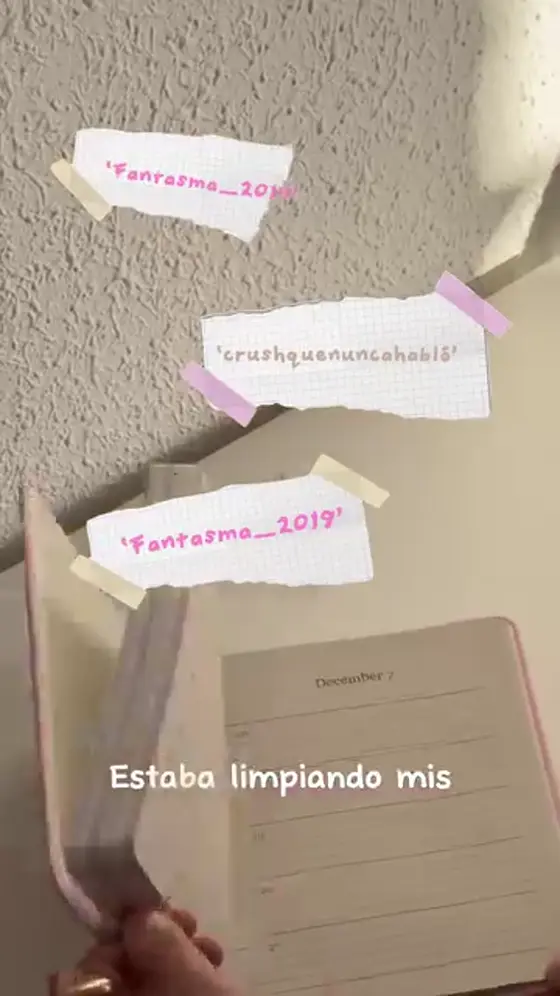
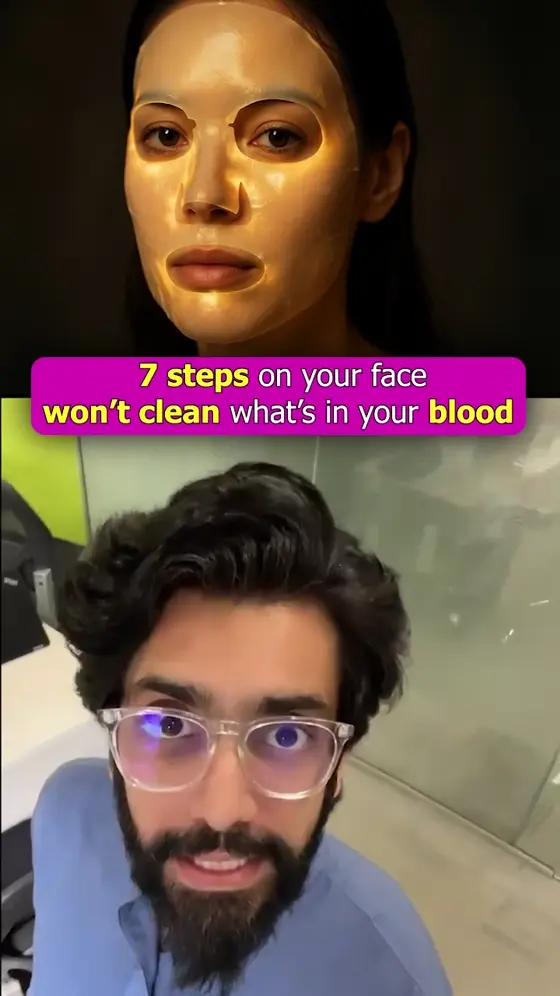
Problem and solution ads in the wild
15 real creatives carrying this format, drawn from across the advertisers analysed. Video entries show their opening frame.
Other formats
Sourced from public ad libraries. The source data carries no visual-format field, so this format is assigned by matching each creative's own description against the taxonomy's vocabulary, which makes the counts indicative rather than exact. Brand pages currently cover the two-wheeler and EV set for Aug 24, 2025 → Aug 24, 2026; the format count above spans every advertiser analysed.