What is the Product demo ad format?
The product used, step by step, so the viewer sees it work. It appears in 39,343 of the 7,00,232 classified creatives in this library, run by 600 different advertisers.
The product used, start to finish, so the viewer watches it work rather than being told it works. The format is a claim reduced to footage.
How it sits in the corpus
By volume this is the 6th largest of the 20 formats in the library: 6% of every classified creative carries it.
600 of the 1,103 advertisers analysed (54%) run it.
Depth per advertiser sits near the middle of the pack: about 66 creatives each, against a cross-format median of 49.
Its 91% video share is well above the corpus average of 64%: in practice this format has become motion-first, whatever the archetype says.
When to use it
Products whose value is obvious in motion but hard to describe in a line.
Demonstration collapses the gap between promise and proof. For products whose value is obvious in motion but clumsy in words, thirty seconds of use outperforms any copy, because the viewer runs their own evaluation on the evidence instead of trusting yours. Watching use also transfers competence: the viewer finishes already knowing how to operate the thing, which quietly removes 'will I figure it out' from the objection list.
Anatomy of a good one
The structural parts a competent product demo always has, and what each is for.
The single most impressive beat of the demo, moved to the front. The feed does not owe you a slow build.
Real hands on the real product in real space. Interface capture for software, workbench for hardware; renders read as claims, footage reads as fact.
Real time for the beats that prove speed, marked cuts for the boring middles. Unmarked time compression is the demo's version of lying.
What exists at the end that did not at the start. The demo's argument is the delta.
The CTA framed as replication: try it, book it, start free. The viewer just watched the instructions.
Enough unbroken footage that the viewer can trace cause to effect without a leap of faith. The demo's authority lives in what was visibly not cut.
Craft rules
- 01
Lead with the climax. Show the espresso pouring before the machine's menu system; curiosity about how carries the middle.
- 02
Demonstrate one job per ad. A product with five demos is five ads, and the platform will tell you which job sells.
- 03
Keep the imperfections that prove reality: ambient noise, a fumble, an un-art-directed desk. Sterile demos read as staged.
- 04
Show the worst honest case for speed and effort claims; the format's power is precisely that it cannot be accused of adjectives.
- 05
Caption every step for mute viewing, and make the visual sequence legible without the narration.
How it goes wrong
Demoing the interface instead of the outcome: menus and settings are how, buyers watch for what.
The unmarked jump cut across the hard part, which viewers spot and price into every other claim in the ad.
Starting with setup and specs; by the time the product does its thing, the audience that needed convincing has left.
The shapes it takes
One label, several distinct executions. The variants are worth testing as separate ads, because the platform will price them differently.
One take, one job, real time. The trust ceiling of the format.
Step-by-step with instruction as the frame. Doubles as content, ranks in search, and pre-trains the customer.
The product against an extreme: overload, drop, timer. The most shareable shape, and the easiest to overpromise with.
The full job compressed with visible time markers. Honest compression, strong for 'faster than' claims.
When it wears out
A demo fatigues when its money moment stops surprising, which happens faster the more competitors copy the same beat. Rotate the demonstrated job, not the format, and mine support tickets and reviews for the next 'show me' worth answering.
What to run alongside it
Who runs this format
600 advertisers run this format. Of the brands with a page in this library, Canva runs it hardest, with 2,787 creatives in this shape.
- Canva2,787 creatives
- Oolka1,475 creatives
- Postly1,232 creatives
- Frido1,118 creatives
- Solara756 creatives
- Myjar600 creatives
- GoodScore538 creatives
- Vedantu480 creatives
- Kaagaz461 creatives
- BrightCHAMPS449 creatives
- Moxie Beauty384 creatives
- Planetspark376 creatives
- Bigbasket347 creatives
- Stripe343 creatives
- Our Place296 creatives
- Paytm293 creatives
- Home essentials285 creatives
- Wise246 creatives
- Base44218 creatives
- Policybazaar216 creatives
- VLCC212 creatives
- P-TAL193 creatives
- Outskill184 creatives
- Made In Cookware181 creatives
- The Indus Valley168 creatives
- Western Union162 creatives
- Replit162 creatives
- Pilgrim160 creatives
- ASICS159 creatives
- HexClad155 creatives
- Borosil155 creatives
- OZiva153 creatives
- Foxtale147 creatives
- Wint Wealth141 creatives
- Bella Vita133 creatives
- The Derma Co.132 creatives
- Beardo131 creatives
- Daily Bhakti131 creatives
- Manmatters124 creatives
- Lovable115 creatives
- Tata Neu114 creatives
- Stahl107 creatives
- Kumon101 creatives
- ZET97 creatives
- Wakefit93 creatives
- CosMix92 creatives
- Synthesis90 creatives
- Chetak87 creatives
- Trimfinity85 creatives
- HDFC Life84 creatives
- Tataaia80 creatives
- Be Bodywise75 creatives
- Ember Cookware75 creatives
- Tinder72 creatives
- Superpower72 creatives
- Caraway70 creatives
- Kushals68 creatives
- The Artment61 creatives
- Myntra58 creatives
- Wellbeing Nutrition58 creatives
- Aisle58 creatives
- Skydo56 creatives
- ICICI Prudential Life Insurance53 creatives
- Coursera51 creatives
- Kotak Neo51 creatives
- Coding Ninjas45 creatives
- Hinge45 creatives
- BlueStone44 creatives
- ScoreUp44 creatives
- SKECHERS44 creatives
- Orange Health42 creatives
- Dr Sheths40 creatives
- Emma Mattress36 creatives
- Function Health36 creatives
- Arike35 creatives
- Le Creuset34 creatives
- Lodge34 creatives
- Joinditto34 creatives
- Minutes - Flipkart34 creatives
- Reliance Digital33 creatives
- WishCare33 creatives
- Accor32 creatives
- Payu31 creatives
- Traya31 creatives
- Bergner31 creatives
- 1mg30 creatives
- PayPal29 creatives
- Codingal24 creatives
- Tramontina22 creatives
- Ellementry22 creatives
- CarWale22 creatives
- JioMart21 creatives
- Ace Blend20 creatives
- Nykaa Fashion19 creatives
- GoKwik19 creatives
- New Balance19 creatives
- Bajajauto18 creatives
- Healthians18 creatives
- MasterClass17 creatives
- Jiraaf15 creatives
- BondScanner15 creatives
- Great Jones15 creatives
- FirstClub15 creatives
- Payoneer14 creatives
- Easebuzz13 creatives
- GRIP12 creatives
- ZunRoof12 creatives
- Telugushaadi12 creatives
- Palmonas12 creatives
- Func Lab12 creatives
- Kolorshealthcare11 creatives
- Jeevansathi10 creatives
- MuscleBlaze10 creatives
- Varalife10 creatives
- Bolt9 creatives
- ICICI Lombard8 creatives
- Zavya8 creatives
- TamilShaadi8 creatives
- Under Armour8 creatives
- Tatacliq7 creatives
- Khan Academy7 creatives
- EMORI7 creatives
- IGP7 creatives
- Suzuki5 creatives
- ThriveCo5 creatives
- L&T Realty5 creatives
- Elevate Now5 creatives
- NxtWave4 creatives
- Simplilearn4 creatives
- Wonderchef4 creatives
- Pine Labs4 creatives
- IndiaBonds4 creatives
- Yamaha Motors India4 creatives
- Sleepwell4 creatives
- Hiranandani4 creatives
- IKEA4 creatives
- PW Skills3 creatives
- Spotify3 creatives
- Delta Faucet3 creatives
- Carswitch3 creatives
- Angel One3 creatives
- Masters' Union3 creatives
- Rubans3 creatives
- SBI life3 creatives
- Newton School2 creatives
- Puravankara2 creatives
- Wooden Street2 creatives
- GROHE1 creatives
- dubizzle1 creatives
- Great Learning1 creatives
- Urban Ladder1 creatives
- Intellipaat1 creatives
- Ajio1 creatives
- 5paisa1 creatives
- ICICI Bank1 creatives
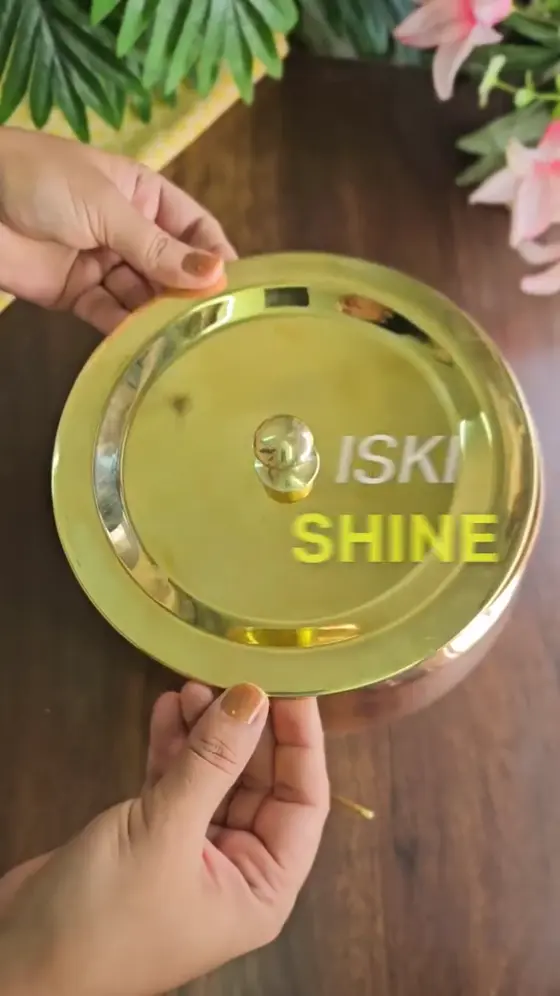
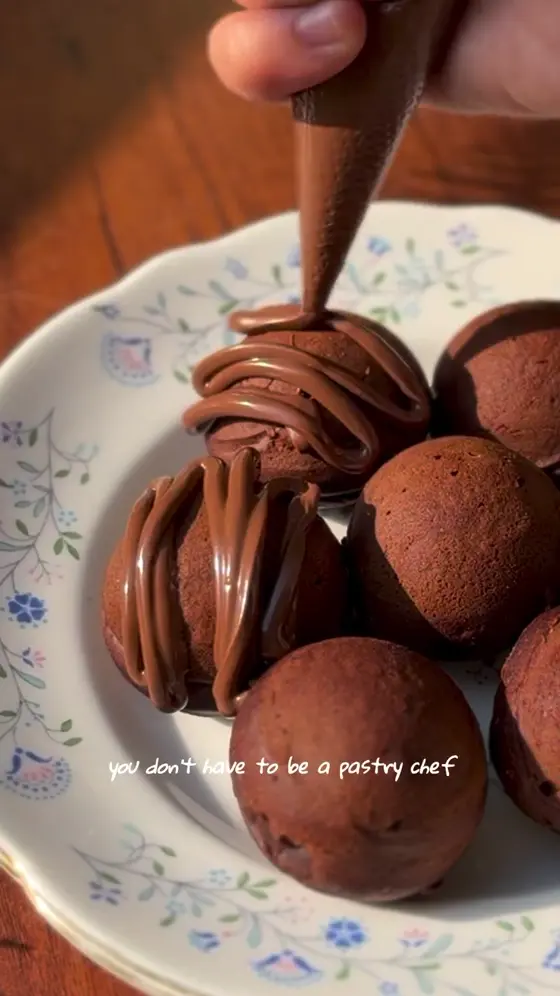
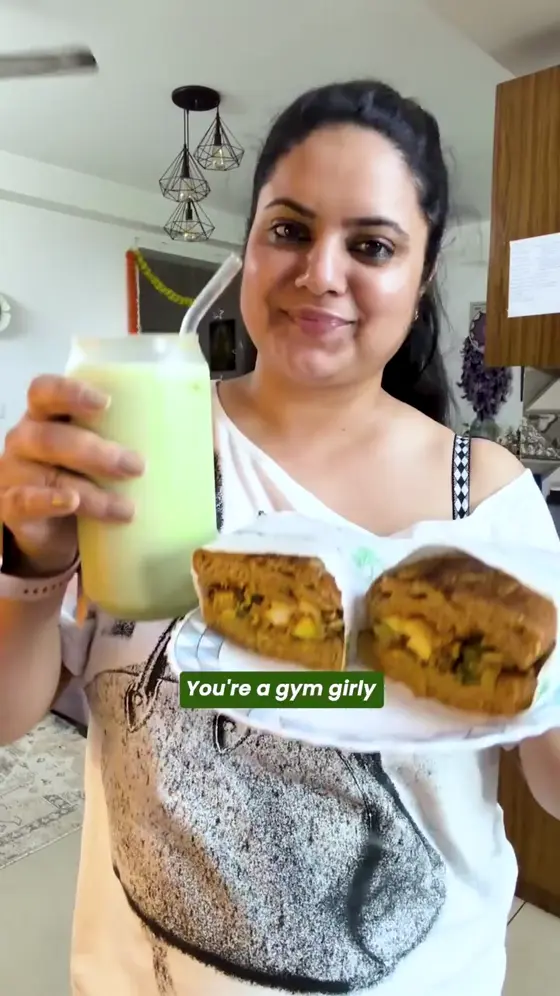
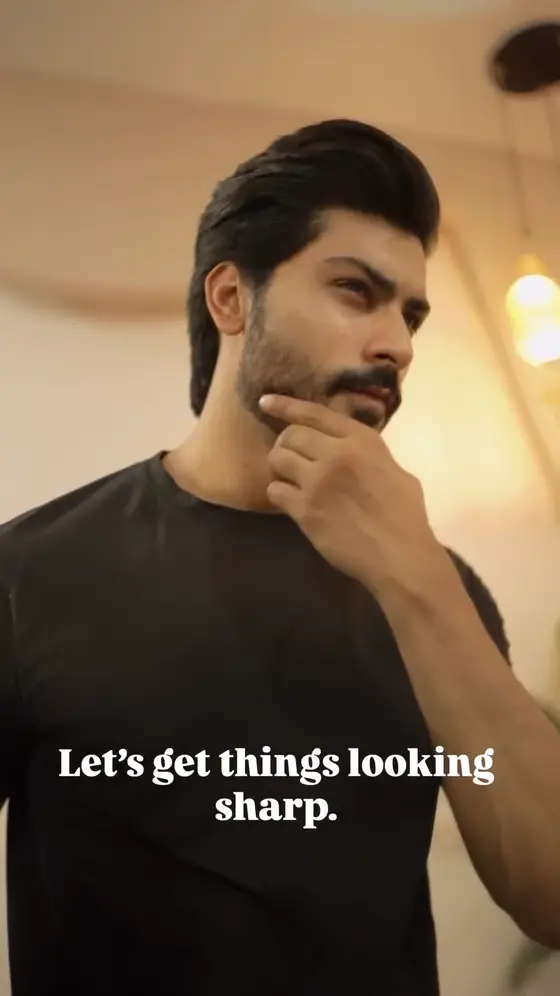
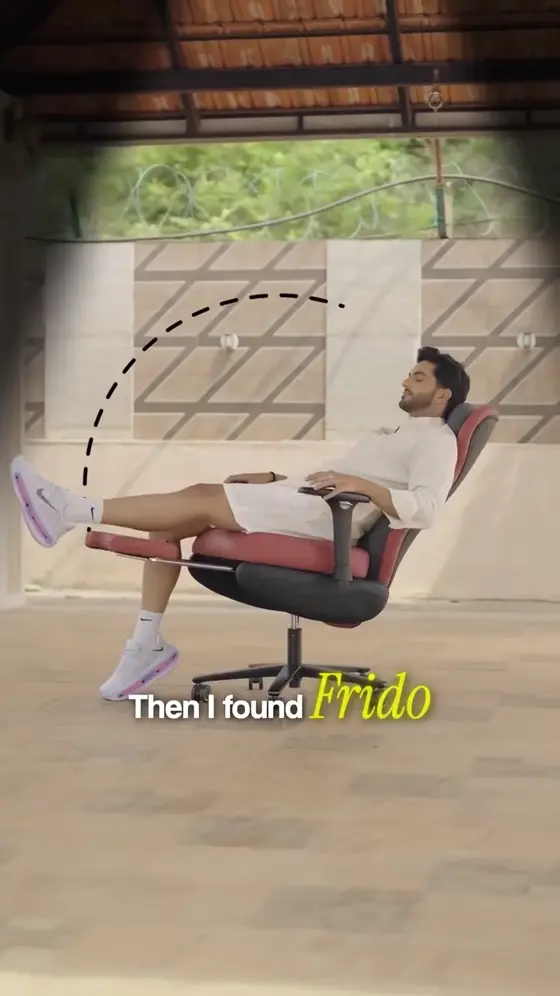
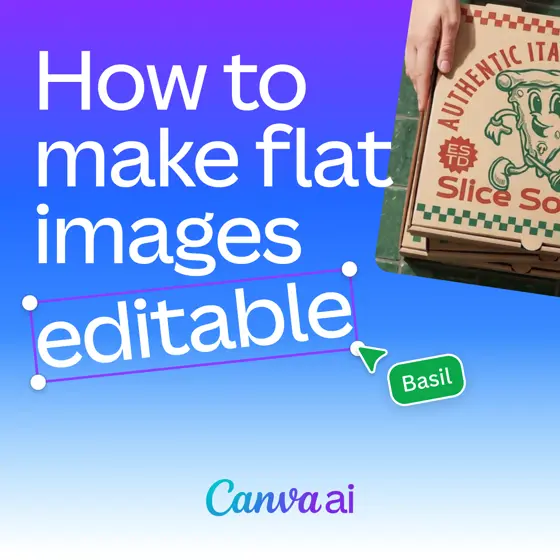
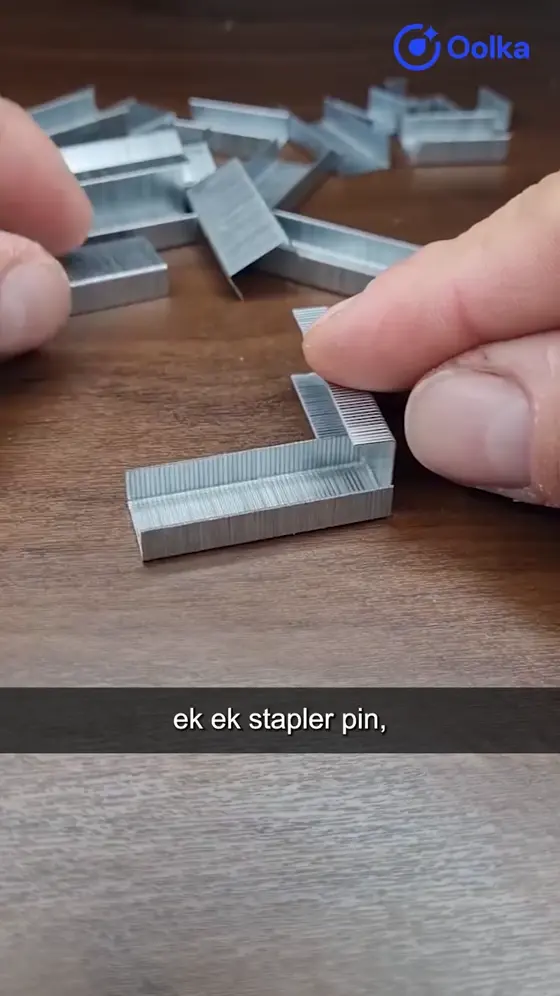
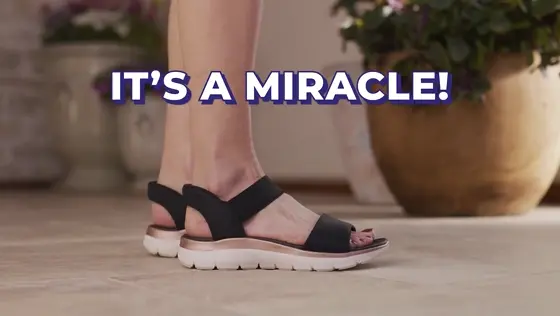
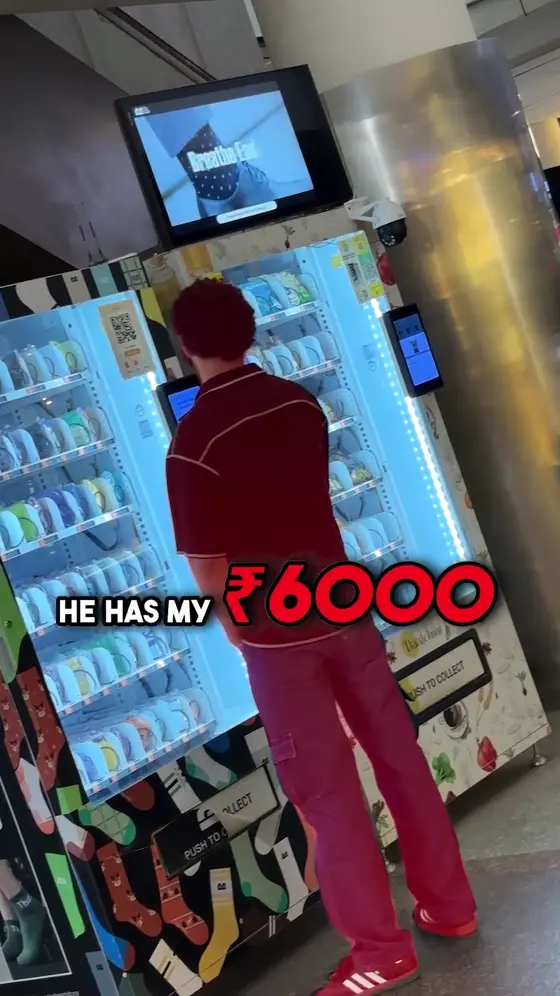
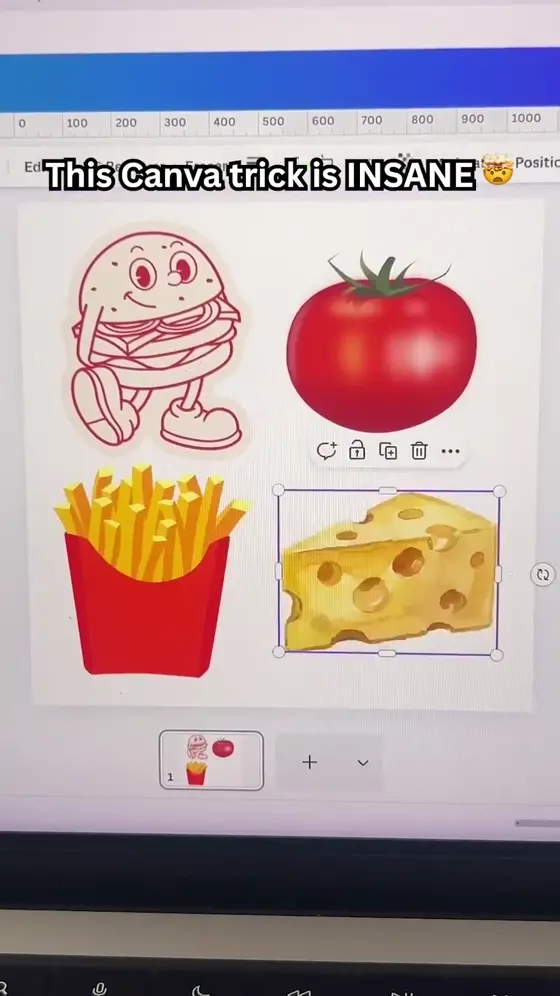
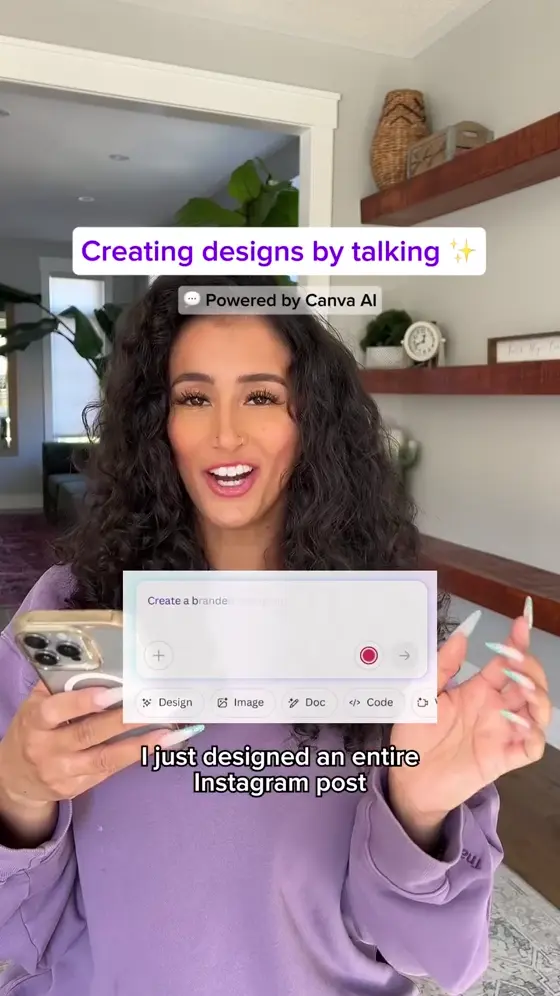
Product demo ads in the wild
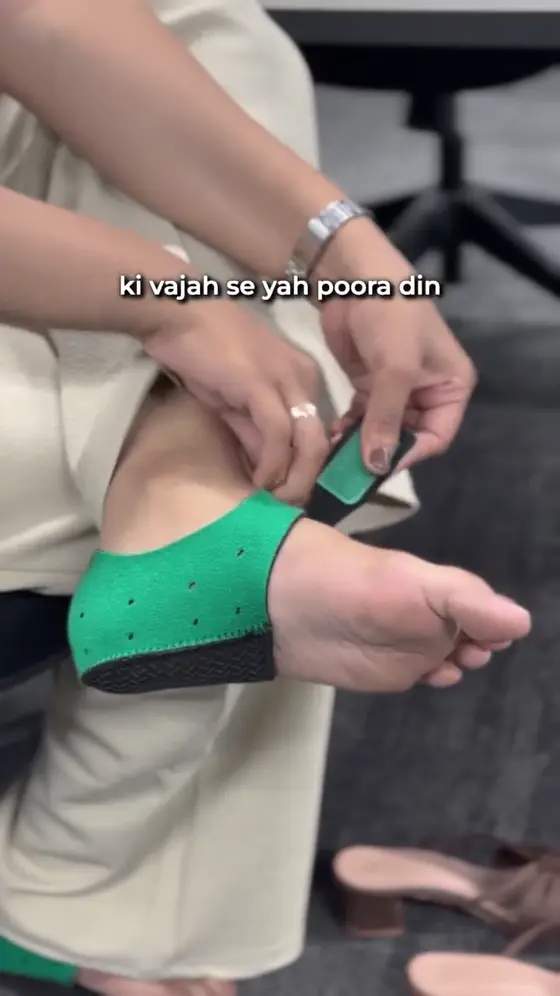
15 real creatives carrying this format, drawn from across the advertisers analysed. Video entries show their opening frame.


Other formats
Sourced from public ad libraries. The source data carries no visual-format field, so this format is assigned by matching each creative's own description against the taxonomy's vocabulary, which makes the counts indicative rather than exact. Brand pages currently cover the two-wheeler and EV set for Aug 24, 2025 → Aug 24, 2026; the format count above spans every advertiser analysed.