What is the Humour and meme ad format?
A joke, parody or meme format does the work of getting attention. It appears in 9,626 of the 7,00,232 classified creatives in this library, run by 357 different advertisers.
A joke, a parody or a borrowed meme format does the attention work, and the brand rides in its slipstream. The fastest format in the library and the shortest-lived.
How it sits in the corpus
By volume this is the 16th largest of the 20 formats in the library: 1% of every classified creative carries it.
357 of the 1,103 advertisers analysed (32%) run it.
Where it is run, it is run lightly: an average of 27 creatives per advertiser, under the cross-format median of 49. Most brands use it for moments rather than as an always-on engine.
Its 92% video share is well above the corpus average of 64%: in practice this format has become motion-first, whatever the archetype says.
When to use it
Younger feeds and low-consideration buys, where being shared beats being understood.
Humour is a consent mechanism: the viewer chooses to finish a joke where they would flee a pitch, and a laugh lowers the guard that advertising normally raises. Sharing does the distribution; a joke worth sending moves through group chats with a credibility no media buy purchases. The exchange rate is control, because the joke, not the brand, decides what gets remembered.
Anatomy of a good one
The structural parts a competent humour and meme always has, and what each is for.
A situation or template the audience already knows, category-adjacent so the punchline can land on the product's turf.
The subversion that makes it a joke. If the brand is the punchline's target, better still; self-deprecation buys the most goodwill per second.
The meme's exact visual conventions, reproduced faithfully. A meme in brand fonts is a corporate costume, and the audience is fluent enough to spot one frame of fakery.
Present enough to be credited, absent enough not to smother. The logo after the laugh, never before.
The joke must land with sound off; feed comedy is read, not heard.
A deliberate opening for the audience to continue the joke in comments and shares. Feed comedy is judged by participation, and the best examples are written one reply short of complete.
Craft rules
- 01
Ship within days of a trend or not at all; a meme format has a half-life measured in a week, and legal review that takes ten days is a veto.
- 02
Make the joke about the category's shared frustrations, which is comedy the audience feels ownership of and the competition cannot rebut.
- 03
Punch at yourself or at the problem, never at the customer.
- 04
Let the humour carry a real insight about the product's use; a laugh with no strategic payload is a donation to the feed.
- 05
Test tolerance in small audiences first; humour's variance is the widest of any format in both directions.
How it goes wrong
Arriving late to a dead meme, which reads as a brand doing an impression of the internet.
Explaining the joke with a product paragraph underneath, which un-tells it.
Forcing edge: a joke that needs an apology thread costs more than the campaign made.
The shapes it takes
One label, several distinct executions. The variants are worth testing as separate ads, because the platform will price them differently.
A live meme format with the brand's situation substituted in. Cheapest and fastest, dies quickest.
An original comic scenario around the category's pain. Slower to make, owned outright, and re-runnable.
The category's own ad clichés sent up. Doubles as positioning: laughing at the incumbents' format is a comparison in disguise.
The product treated with deliberately unearned gravity or strangeness. High risk, and the shape most likely to be shared for its own sake.
When it wears out
Fastest-decaying format in the library: a joke is spent the second time one person sees it. Frequency caps matter more here than anywhere else, and the pipeline matters more than any single ad; the asset is the comedic voice, not the meme du jour.
What to run alongside it
Who runs this format
357 advertisers run this format. Of the brands with a page in this library, Myjar runs it hardest, with 519 creatives in this shape.
- Myjar519 creatives
- Canva326 creatives
- Oolka316 creatives
- Hinge232 creatives
- Beardo127 creatives
- Aisle121 creatives
- Tinder97 creatives
- GoodScore87 creatives
- Jeevansathi68 creatives
- Coding Ninjas59 creatives
- Policybazaar54 creatives
- Bella Vita42 creatives
- Bigbasket41 creatives
- Jiraaf39 creatives
- Myntra34 creatives
- Tataaia33 creatives
- PayPal33 creatives
- Paytm33 creatives
- Arike31 creatives
- ZET31 creatives
- Postly31 creatives
- Nykaa Fashion28 creatives
- ICICI Prudential Life Insurance26 creatives
- Pilgrim26 creatives
- Wakefit23 creatives
- Marriott20 creatives
- Western Union20 creatives
- BlueStone18 creatives
- Foxtale18 creatives
- GROHE17 creatives
- Xflowpay17 creatives
- IKEA17 creatives
- Chetak14 creatives
- The Derma Co.13 creatives
- Wellbeing Nutrition12 creatives
- Radisson12 creatives
- Palmonas12 creatives
- JioMart12 creatives
- TamilShaadi11 creatives
- Masters' Union11 creatives
- Outskill11 creatives
- Reliance Digital10 creatives
- Trimfinity10 creatives
- OZiva9 creatives
- Kotak Life8 creatives
- Storytel8 creatives
- Suzuki8 creatives
- Yamaha Motors India8 creatives
- Wise7 creatives
- Caraway7 creatives
- Daily Bhakti7 creatives
- Angel One5 creatives
- Wint Wealth5 creatives
- MasterClass5 creatives
- Frido5 creatives
- Home essentials5 creatives
- Prime Video5 creatives
- ZEE54 creatives
- ICICI Lombard4 creatives
- PW Skills4 creatives
- Delta Faucet3 creatives
- Telugushaadi3 creatives
- Accor3 creatives
- ICICI Bank2 creatives
- NxtWave2 creatives
- Hyatt2 creatives
- Be Bodywise2 creatives
- Traya2 creatives
- Emma Mattress2 creatives
- The Indus Valley2 creatives
- Khan Academy2 creatives
- Function Health2 creatives
- SKECHERS2 creatives
- Simplilearn1 creatives
- CosMix1 creatives
- Tatacliq1 creatives
- Zavya1 creatives
- WishCare1 creatives
- ASICS1 creatives
- Superpower1 creatives
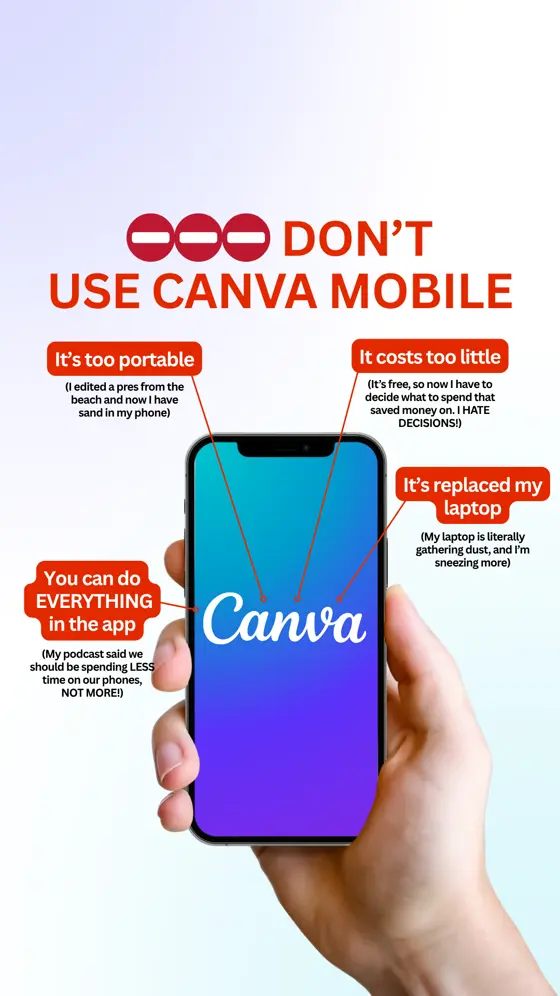
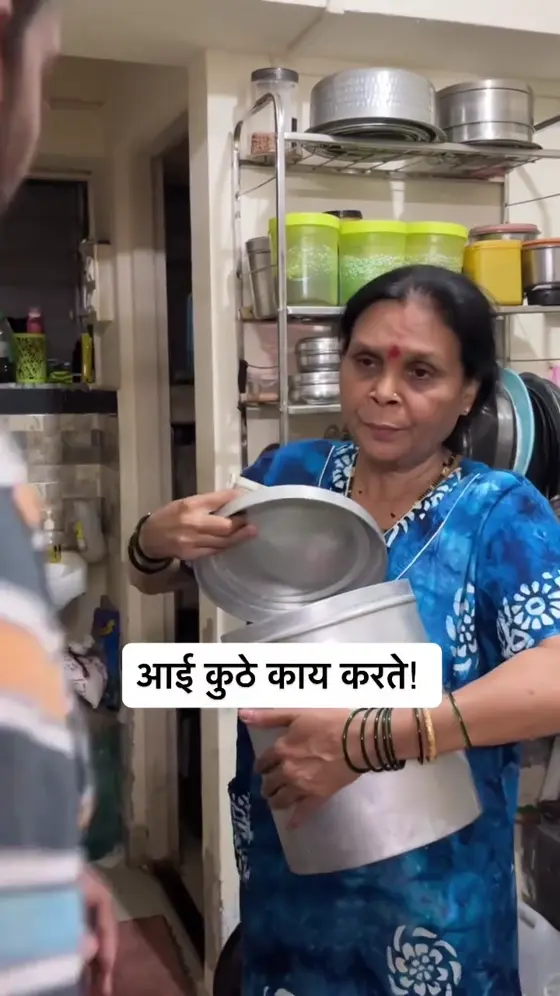
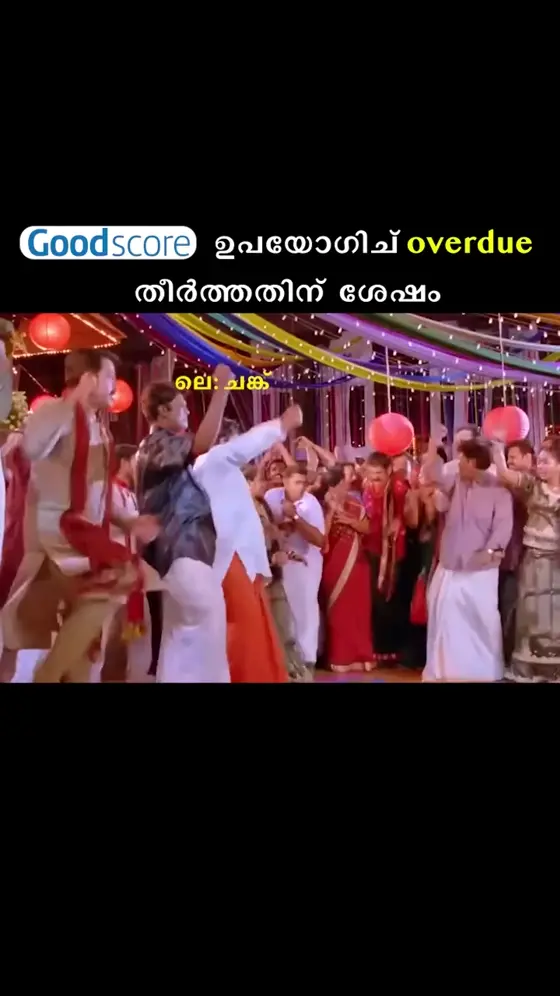
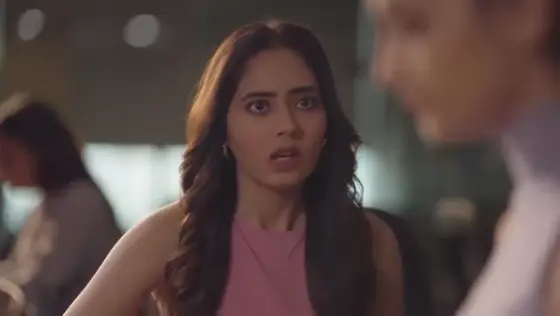
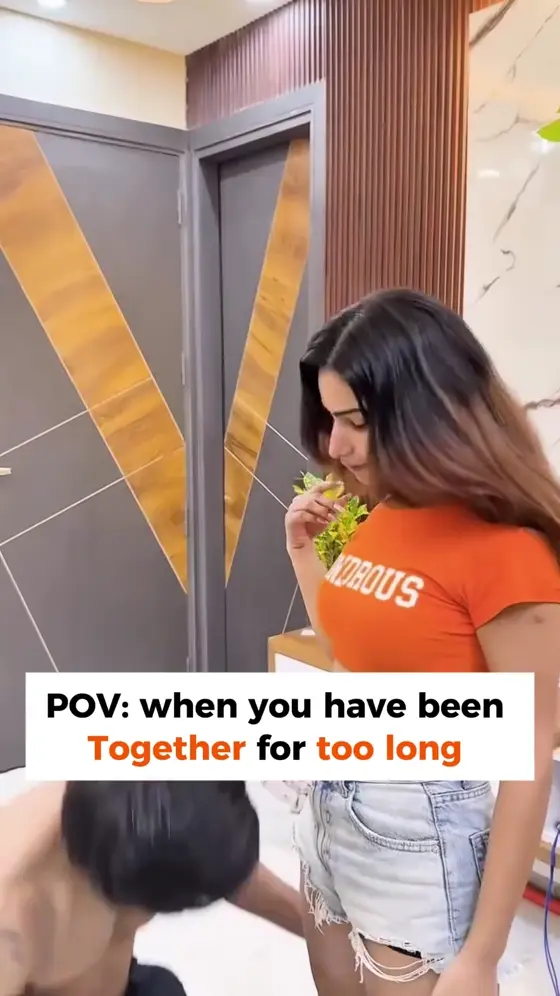
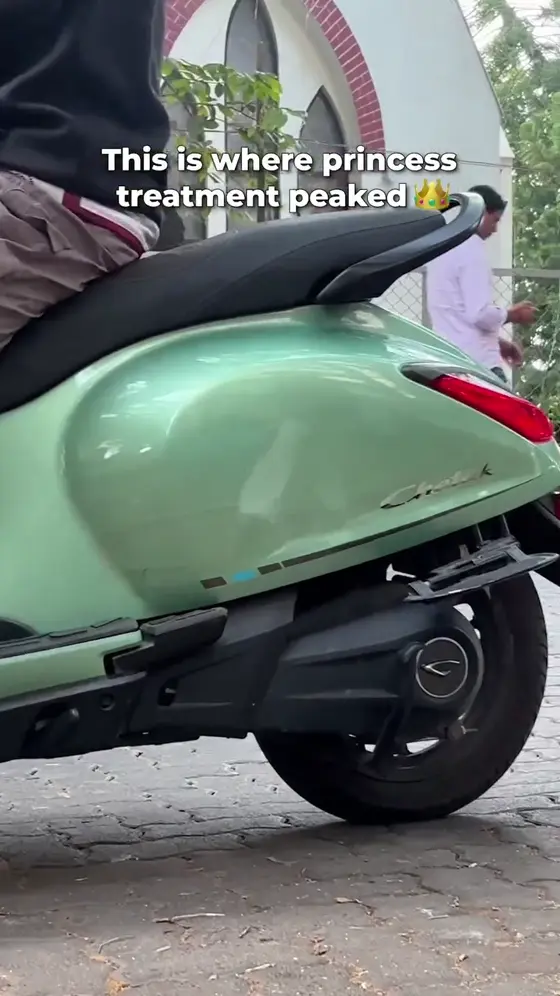
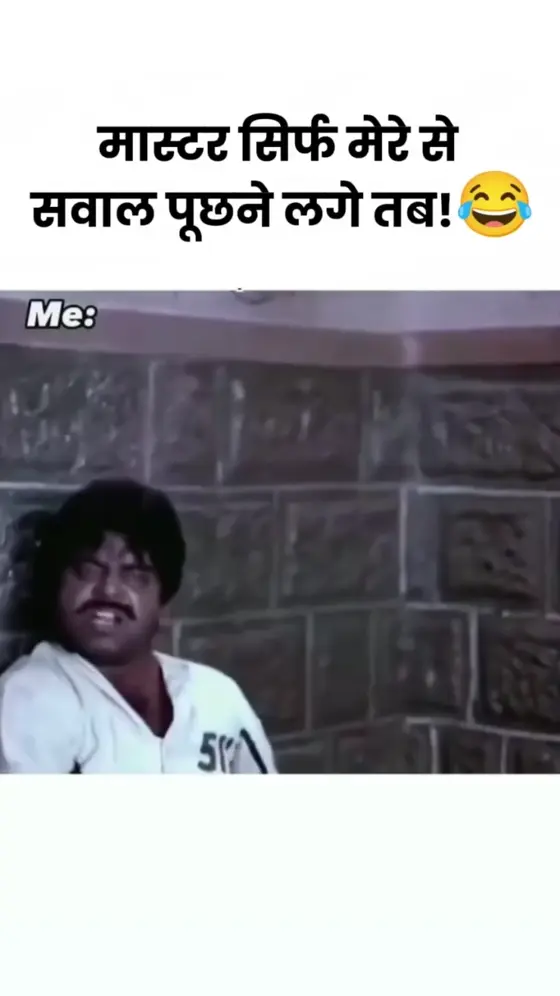
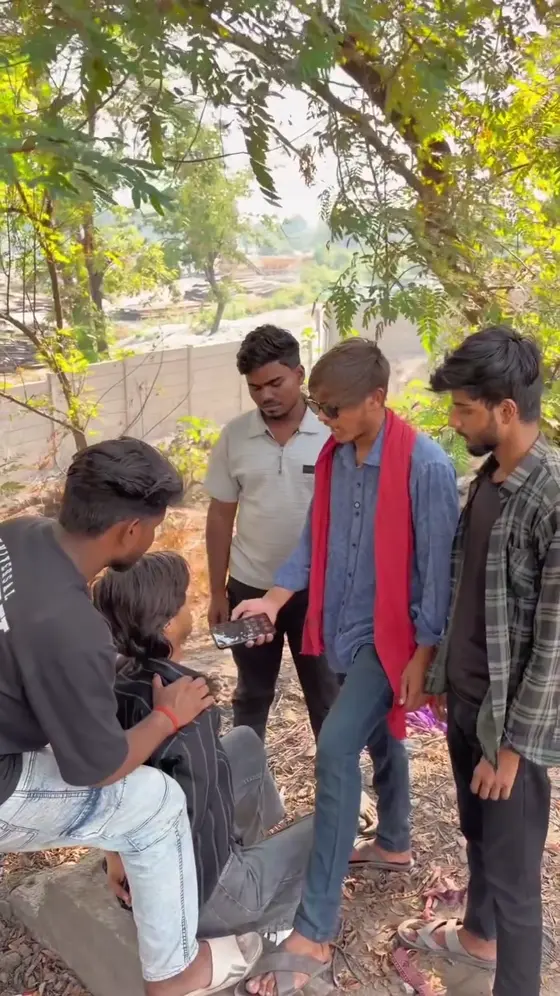
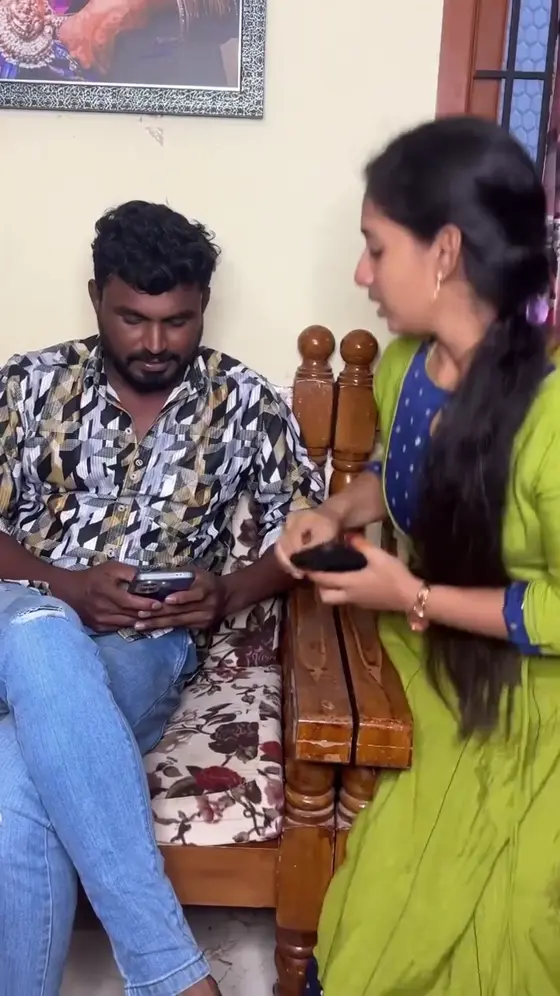
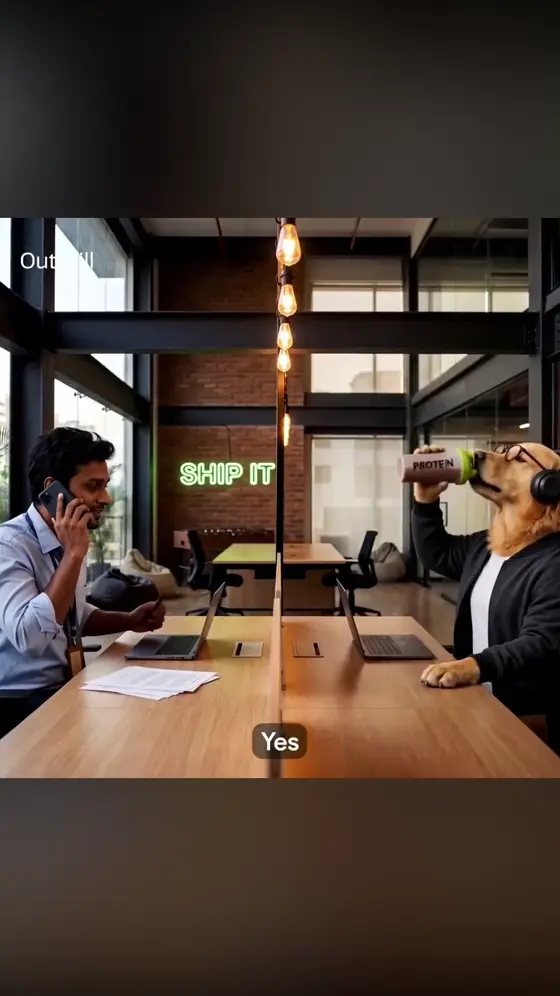
Humour and meme ads in the wild
15 real creatives carrying this format, drawn from across the advertisers analysed. Video entries show their opening frame.



Other formats
Sourced from public ad libraries. The source data carries no visual-format field, so this format is assigned by matching each creative's own description against the taxonomy's vocabulary, which makes the counts indicative rather than exact. Brand pages currently cover the two-wheeler and EV set for Aug 24, 2025 → Aug 24, 2026; the format count above spans every advertiser analysed.