What is the Before and after ad format?
Two states shown side by side or in sequence, with the product as the thing that changed. It appears in 18,566 of the 7,00,232 classified creatives in this library, run by 381 different advertisers.
Two states of the same subject, shown side by side or in sequence, with the product as the thing that changed between them. The gap is the entire argument; everything else in the frame exists to make the gap credible.
How it sits in the corpus
By volume this is the 11th largest of the 20 formats in the library: 3% of every classified creative carries it.
381 of the 1,103 advertisers analysed (35%) run it.
Depth per advertiser sits near the middle of the pack: about 49 creatives each, against a cross-format median of 49.
Its 91% video share is well above the corpus average of 64%: in practice this format has become motion-first, whatever the archetype says.
When to use it
Anything with a visible outcome, where the gap between states is the whole argument.
It is the most compressed proof structure advertising has: no claim, no adjectives, just a delta the viewer measures themselves. Because the audience does the concluding, the conclusion is theirs and resists counter-argument. The format's persuasive power and its abuse potential are the same property, which is why it carries the heaviest credibility burden in this library and, in regulated categories, the heaviest compliance burden too.
Anatomy of a good one
The structural parts a competent before and after always has, and what each is for.
Same subject, same angle, same light, same framing. Every variable held constant except the one the product changed; each mismatch is a hole the viewer's scepticism pours through.
Representative, not rigged. A before staged to be terrible is detected instantly and converts the format's proof into evidence against you.
How long between the two states. The gap's meaning depends entirely on whether it took a week or a year.
The product placed visibly as the cause: used in the interval, present at the turn. Correlation is the format's claim; the mechanism line is what earns it.
Whose result this is and what typical looks like. In regulated categories this is law; in every category it is credibility.
Details that tie the two states to one subject: the same room, the same mark, the same registration plate. The sceptical viewer's first question is whether these are even the same thing.
Craft rules
- 01
Lock the shooting conditions before the 'before': same lens, distance, light and pose, decided in advance, because the after cannot be matched retroactively.
- 02
Choose subjects whose change is visible at feed size; a delta that needs zooming is a delta the scroll never sees.
- 03
State the timeframe and the effort honestly, since the viewer's real question is not 'did it change' but 'what did it cost to change'.
- 04
Show the interval when possible: the sequence version (before, during, after) outperforms the pair because the middle is where the believability lives.
- 05
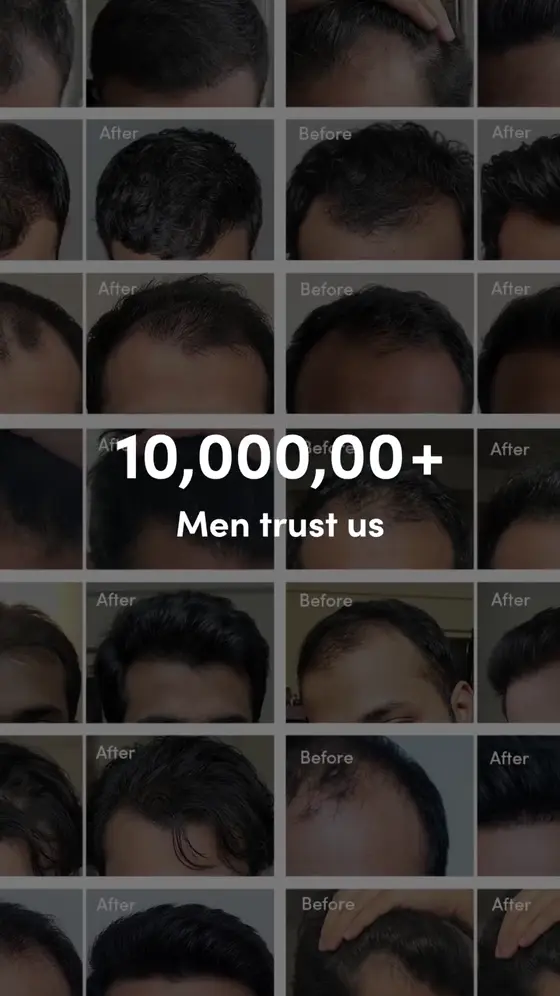
Run multiple subjects; one transformation is an anecdote, a grid of them is a distribution.
How it goes wrong
Mismatched pairs: different lighting, posture or angle doing half the product's work, which the audience now reads as the whole trick.
The implausible delta: an after so dramatic it triggers disbelief rather than desire, taking every honest claim in the account down with it.
Omitting the interval and conditions, which converts documentary evidence back into an adjective.
The shapes it takes
One label, several distinct executions. The variants are worth testing as separate ads, because the platform will price them differently.
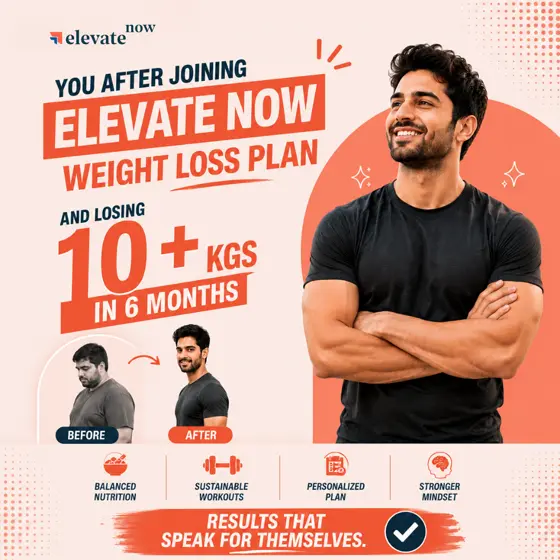
Both states in one static image. The fastest read and the static minority of this format's volume.
The transformation played through time, product use visible in the middle. The dominant shape and the most credible.
The after wiped over the before in motion. High scroll-stopping power; keep the wipe honest to the matched pair.
A customer's own before and after, narrated by them. The overlap with testimonial, and the strongest compliance posture: their result, their words.
When it wears out
The structure is evergreen; individual transformations exhaust quickly because the surprise is single-use per viewer. Refresh with new subjects on the locked template, and retire any pair the moment its conditions no longer match the current product or claim.
What to run alongside it
Who runs this format
381 advertisers run this format. Of the brands with a page in this library, Pilgrim runs it hardest, with 1,394 creatives in this shape.
- Pilgrim1,394 creatives
- Manmatters1,097 creatives
- Traya699 creatives
- Be Bodywise679 creatives
- The Derma Co.663 creatives
- Moxie Beauty560 creatives
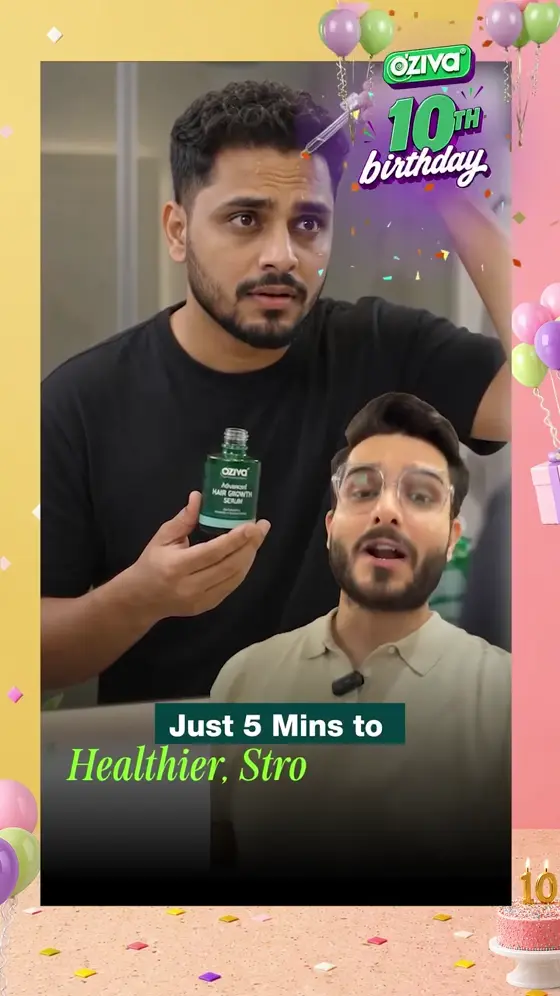
- OZiva473 creatives
- Beardo413 creatives
- Planetspark347 creatives
- Elevate Now273 creatives
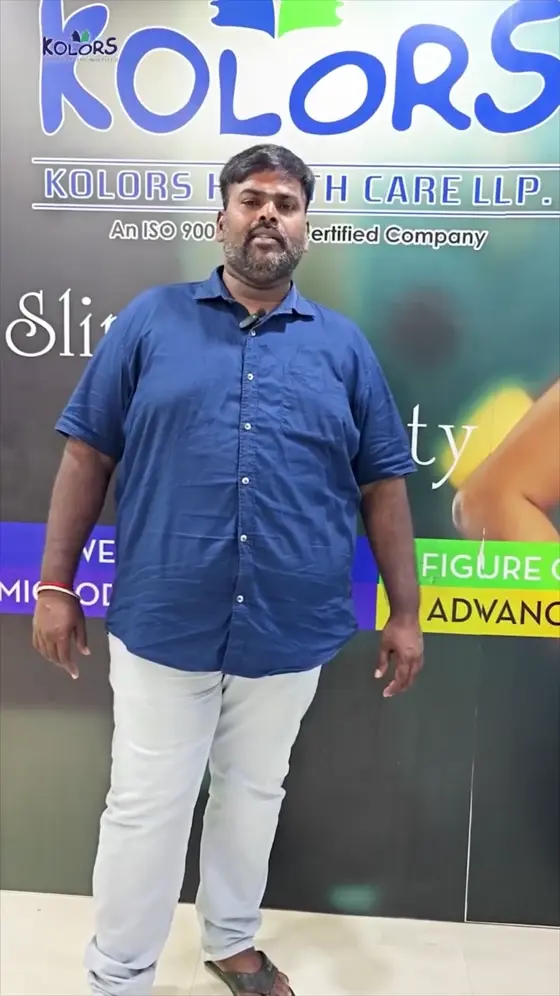
- Kolorshealthcare249 creatives
- Oolka228 creatives
- Foxtale217 creatives
- VLCC215 creatives
- HealthifyMe151 creatives
- Canva140 creatives
- WishCare111 creatives
- Kumon105 creatives
- Masters' Union83 creatives
- Dr Sheths78 creatives
- 1mg76 creatives
- Coding Ninjas69 creatives
- Kushals65 creatives
- Bella Vita59 creatives
- Great Learning58 creatives
- Intellipaat55 creatives
- GoodScore54 creatives
- BlueStone50 creatives
- ThriveCo47 creatives
- Myntra41 creatives
- Frido39 creatives
- Caraway37 creatives
- Bolt30 creatives
- Wellbeing Nutrition28 creatives
- Nykaa Fashion25 creatives
- Simplilearn24 creatives
- Coursera19 creatives
- BrightCHAMPS19 creatives
- Hinge18 creatives
- Newton School16 creatives
- Home essentials16 creatives
- Accor12 creatives
- ZET12 creatives
- Mia by Tanishq12 creatives
- Tinder11 creatives
- Replit11 creatives
- Delta Faucet10 creatives
- Myjar10 creatives
- Dosti Realty10 creatives
- Synthesis9 creatives
- Daily Bhakti9 creatives
- MasterClass8 creatives
- Wooden Street8 creatives
- Bare Anatomy8 creatives
- Postly8 creatives
- Function Health8 creatives
- The Artment7 creatives
- Hiranandani7 creatives
- NxtWave6 creatives
- ASICS6 creatives
- ZEE56 creatives
- Reliance Digital6 creatives
- edureka6 creatives
- Indriya5 creatives
- Emma Mattress5 creatives
- P-TAL5 creatives
- MuscleBlaze5 creatives
- Base445 creatives
- Ace Blend4 creatives
- Superpower4 creatives
- Angel One3 creatives
- ICICI Prudential Life Insurance3 creatives
- Vedantu3 creatives
- Policybazaar3 creatives
- Func Lab3 creatives
- Easebuzz3 creatives
- Spotify2 creatives
- GROHE2 creatives
- Solara2 creatives
- Ember Cookware2 creatives
- Great Jones2 creatives
- Stripe2 creatives
- Borosil2 creatives
- Rubans2 creatives
- Western Union2 creatives
- Bergner2 creatives
- Palmonas2 creatives
- ScoreUp2 creatives
- JioMart2 creatives
- FirstClub2 creatives
- Varalife2 creatives
- PW Skills1 creatives
- ZunRoof1 creatives
- Urban Ladder1 creatives
- Tatacliq1 creatives
- Marriott1 creatives
- Wakefit1 creatives
- Our Place1 creatives
- Stahl1 creatives
- Khan Academy1 creatives
- Bajajauto1 creatives
- Outskill1 creatives
- Paytm1 creatives
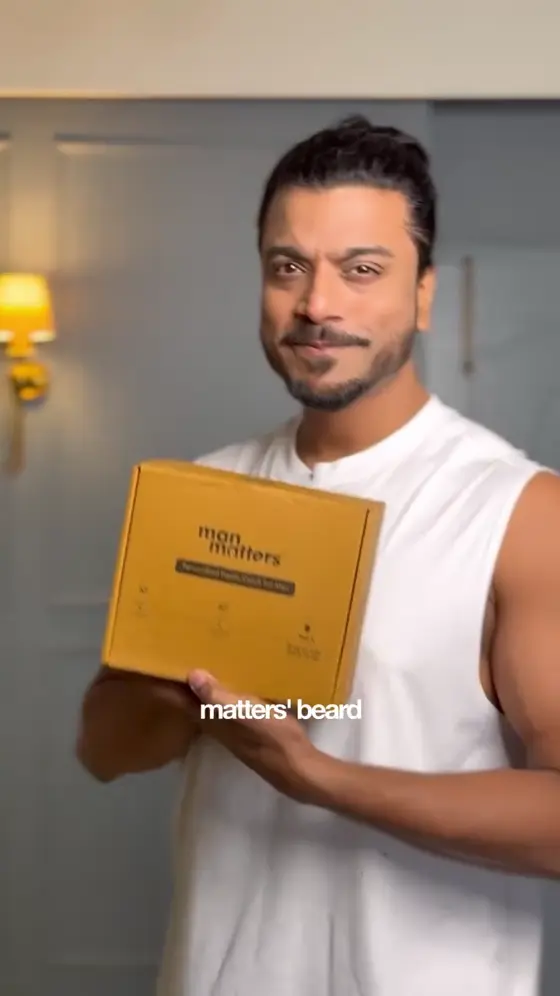
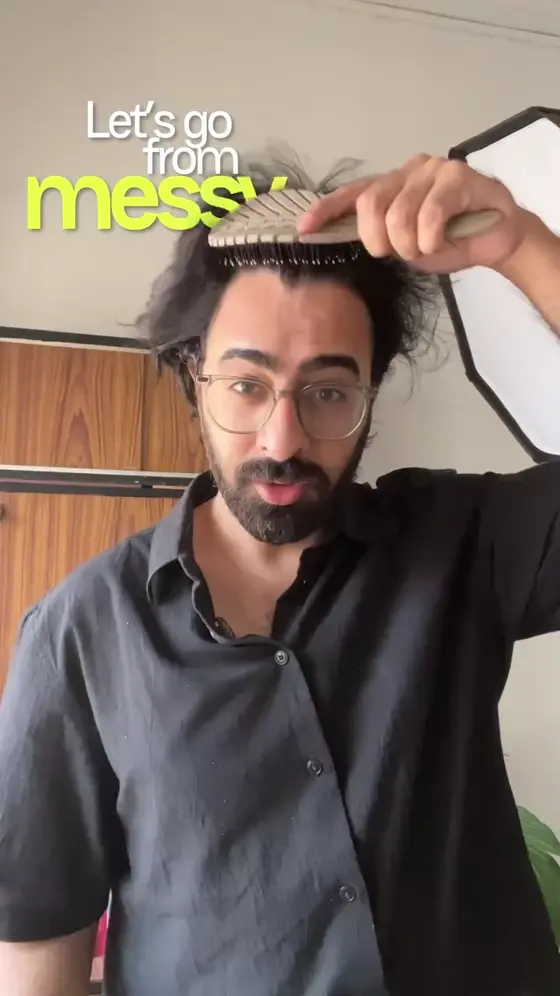
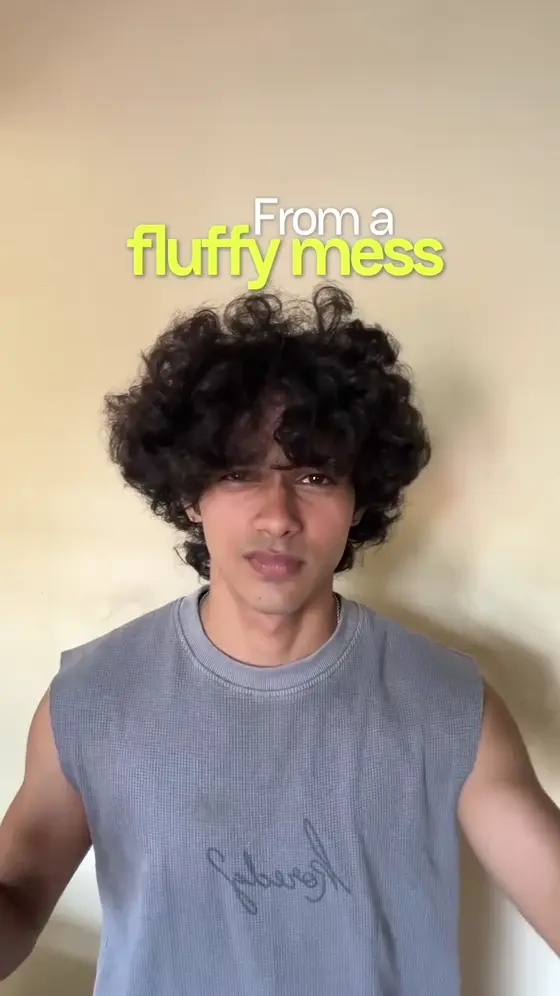
Before and after ads in the wild
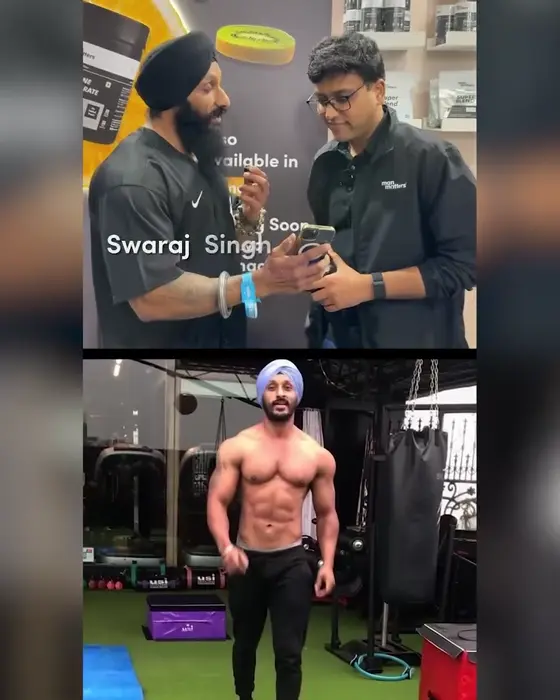
15 real creatives carrying this format, drawn from across the advertisers analysed. Video entries show their opening frame.






Other formats
Sourced from public ad libraries. The source data carries no visual-format field, so this format is assigned by matching each creative's own description against the taxonomy's vocabulary, which makes the counts indicative rather than exact. Brand pages currently cover the two-wheeler and EV set for Aug 24, 2025 → Aug 24, 2026; the format count above spans every advertiser analysed.