What is the Announcement ad format?
A launch, event, partnership or update stated as news. It appears in 18,591 of the 7,00,232 classified creatives in this library, run by 684 different advertisers.
A launch, an update, a partnership or an event, stated as news. The most broadly adopted format per advertiser count in this library relative to its volume, because everything gets announced once; its distinguishing constraint is that novelty is the payload and novelty expires.
How it sits in the corpus
By volume this is the 10th largest of the 20 formats in the library: 3% of every classified creative carries it.
684 of the 1,103 advertisers analysed (62%) run it.
Where it is run, it is run lightly: an average of 27 creatives per advertiser, under the cross-format median of 49. Most brands use it for moments rather than as an always-on engine.
When to use it
Moments with a date attached, where novelty is the proposition.
News framing borrows the reader's information reflex: 'new' is processed as something to know rather than something being sold. That earns one honest window of attention per fact, no more. The format also confers momentum; a steady cadence of announcements makes a brand read as moving, which is itself a claim competitors must answer.
Anatomy of a good one
The structural parts a competent announcement always has, and what each is for.
One thing that is true today that was not true yesterday. If the sentence has two news facts, it is two ads.
'Now', 'from Friday', 'this month'. The timestamp is what makes it news instead of description.
Why the audience should care, in one sentence. Launches are interesting to companies by default and to buyers only on translation.
The new thing itself: the product, the store, the feature. News with no picture of the news reads as a press release.
Be first, book now, see it launch day. Announcement CTAs work on earliness, not urgency's discount logic.
A single destination carrying the full story: specs, dates, cities, price. News creates questions the ad cannot fit, and the click is where they get answered.
Craft rules
- 01
Lead with the noun, not the brand's excitement: 'The NS400Z is here' beats any sentence beginning 'We are thrilled'.
- 02
Translate the news into the buyer's outcome in the same frame; 'now with X' matters only as 'so you can Y'.
- 03
Time-box the spend to the novelty: an announcement running in week six is a description wearing a news costume, and the audience reads the datestamp.
- 04
Sequence the moment: tease, reveal, availability. Three honest news beats from one fact, but only if each says something the last did not.
- 05
Reserve the format for facts with a date attached; routine claims dressed as announcements burn the reflex the format depends on.
How it goes wrong
Announcing to the company's calendar rather than the buyer's: funding rounds and internal milestones are news the audience was not waiting for.
Running the launch creative long past launch, the single most common way this format is wasted in practice.
Burying the news under brand storytelling; the format's job is a fact, and the fact goes first.
The shapes it takes
One label, several distinct executions. The variants are worth testing as separate ads, because the platform will price them differently.
The new thing revealed. The core shape, and where the reveal-style video half of this format's volume lives.
Now in your city, back in stock, bookings open. Small news, high intent; the workhorse variant.
Two names attached to one announcement, each borrowing the other's audience.
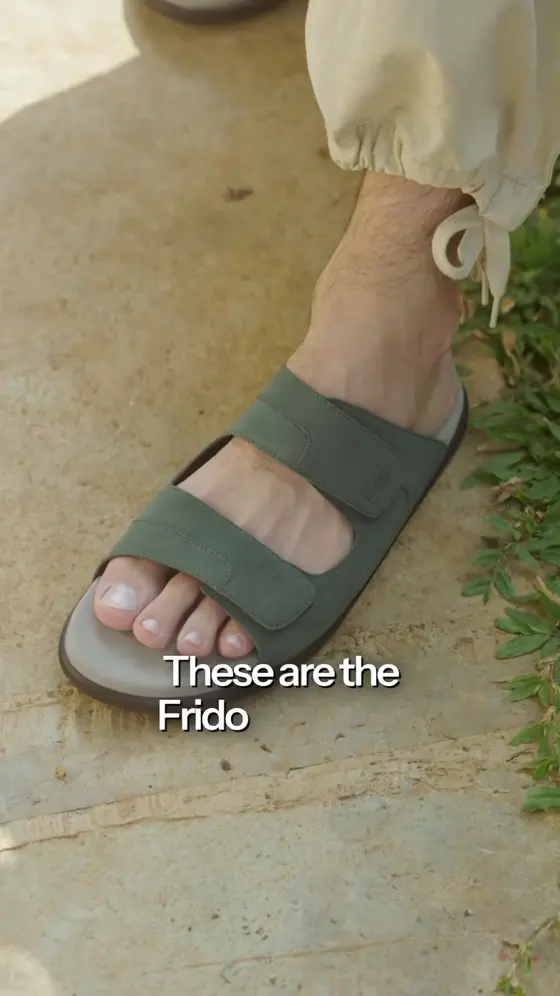
A date to attend rather than a thing to buy. The announcement becomes the product; the corpus's auto-show and test-ride-camp creatives run this way.
When it wears out
The decay is built in: an announcement fatigues on a calendar, not a frequency curve, and no optimisation revives expired news. The discipline is a kill date set on day one, with the post-launch budget handed to the formats built to persist.
What to run alongside it
Who runs this format
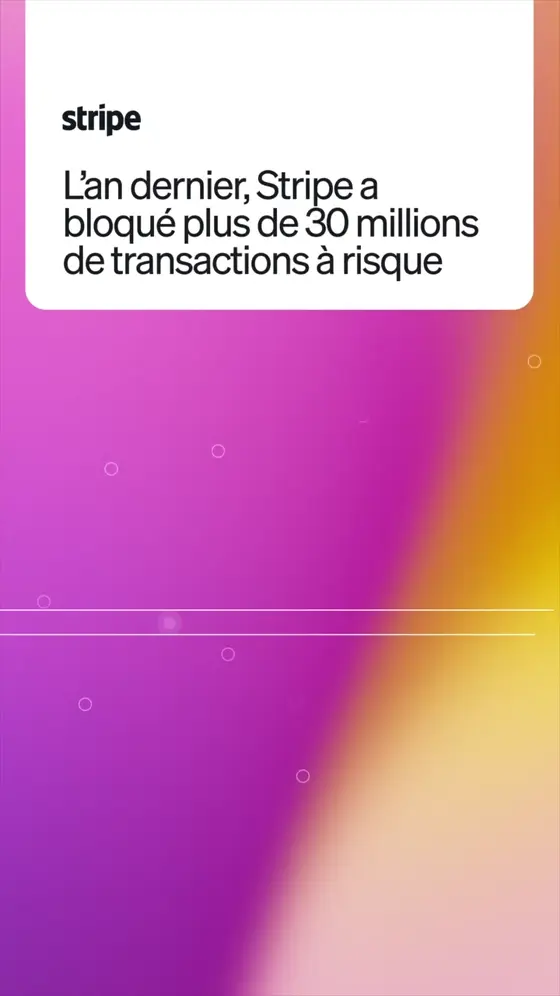
684 advertisers run this format. Of the brands with a page in this library, Stripe runs it hardest, with 239 creatives in this shape.
- Stripe239 creatives
- Wise225 creatives
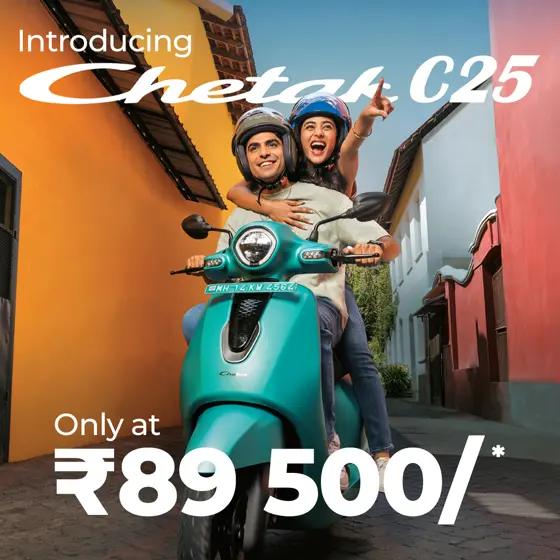
- Chetak208 creatives
- Frido156 creatives
- Caraway153 creatives
- Foxtale135 creatives
- Postly131 creatives
- Nykaa Fashion113 creatives
- The Derma Co.111 creatives
- Canva109 creatives
- Aprilia99 creatives
- Western Union99 creatives
- Yamaha Motors India95 creatives
- Hinge94 creatives
- Bajajauto86 creatives
- Accor81 creatives
- Mia by Tanishq81 creatives
- Masters' Union79 creatives
- ASICS78 creatives
- Kushals78 creatives
- ICICI Prudential Life Insurance74 creatives
- Pilgrim66 creatives
- Myntra61 creatives
- PayPal59 creatives
- Marriott58 creatives
- Paytm57 creatives
- 1mg55 creatives
- Jeevansathi54 creatives
- FirstClub53 creatives
- Bigbasket51 creatives
- Kumon49 creatives
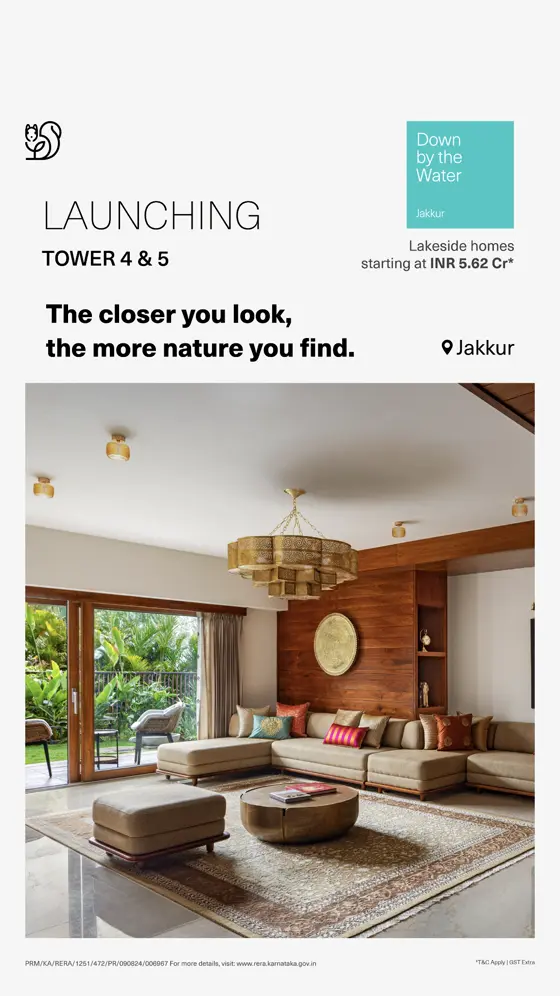
- Total Environment49 creatives
- Palmonas48 creatives
- Outskill47 creatives
- Suzuki45 creatives
- Our Place45 creatives
- Oolka45 creatives
- L&T Realty44 creatives
- Healthians44 creatives
- Kaagaz43 creatives
- BrightCHAMPS42 creatives
- BondScanner39 creatives
- Intellipaat38 creatives
- Manmatters37 creatives
- Tinder35 creatives
- Myjar33 creatives
- Superpower32 creatives
- Coursera31 creatives
- Rustomjee30 creatives
- BlueStone29 creatives
- Vedantu29 creatives
- Tataaia28 creatives
- Hiranandani28 creatives
- Wellbeing Nutrition27 creatives
- OZiva27 creatives
- Le Creuset25 creatives
- Beardo24 creatives
- Russian School of Math24 creatives
- 5paisa24 creatives
- Great Learning24 creatives
- Borosil23 creatives
- IGP22 creatives
- Minutes - Flipkart22 creatives
- Indriya21 creatives
- MasterClass21 creatives
- Policybazaar20 creatives
- Be Bodywise20 creatives
- Synthesis18 creatives
- CarWale18 creatives
- ICICI Lombard17 creatives
- Hyatt16 creatives
- Ace Blend15 creatives
- Tatacliq15 creatives
- Honda 2 Wheelers India14 creatives
- Caratlane14 creatives
- Simplilearn14 creatives
- Moxie Beauty13 creatives
- Ajio12 creatives
- WishCare12 creatives
- Bella Vita12 creatives
- Oberoihotels12 creatives
- Kotak Neo12 creatives
- Lodha11 creatives
- dubizzle11 creatives
- Payoneer11 creatives
- Kotak Life10 creatives
- Reliance Digital10 creatives
- GoodScore10 creatives
- Kalyan Jewellers10 creatives
- Puravankara10 creatives
- SBI life9 creatives
- HDFC Life9 creatives
- Traya9 creatives
- Newton School9 creatives
- Aisle8 creatives
- Coding Ninjas8 creatives
- Honda8 creatives
- P-TAL8 creatives
- Oberoi Realty8 creatives
- Function Health8 creatives
- New Balance8 creatives
- Skydo7 creatives
- HOKA7 creatives
- Func Lab7 creatives
- Joinditto6 creatives
- IndiaBonds6 creatives
- GRIP6 creatives
- The Indus Valley6 creatives
- EMORI5 creatives
- SKECHERS5 creatives
- Daily Bhakti5 creatives
- Home essentials5 creatives
- ZET5 creatives
- Lovable5 creatives
- Delta Faucet4 creatives
- Wint Wealth4 creatives
- ZEE54 creatives
- TamilShaadi4 creatives
- CosMix4 creatives
- Planetspark4 creatives
- Pine Labs4 creatives
- Zavya4 creatives
- Bergner4 creatives
- Mathnasium4 creatives
- DMart4 creatives
- Base444 creatives
- Spotify3 creatives
- Angel One3 creatives
- Radisson3 creatives
- VLCC3 creatives
- Wooden Street3 creatives
- GoKwik3 creatives
- Solara3 creatives
- Great Jones3 creatives
- Made In Cookware3 creatives
- Runwal Realty3 creatives
- Varalife3 creatives
- Telugushaadi2 creatives
- IKEA2 creatives
- Tata Neu2 creatives
- NxtWave2 creatives
- Payu2 creatives
- Arike2 creatives
- Easebuzz2 creatives
- Emma Mattress2 creatives
- Stahl2 creatives
- Sensodyne2 creatives
- Replit2 creatives
- Storytel1 creatives
- GROHE1 creatives
- Vtprealty1 creatives
- Lodge1 creatives
- ThriveCo1 creatives
- Prime Video1 creatives
- Ellementry1 creatives
- Under Armour1 creatives
- Orange Health1 creatives
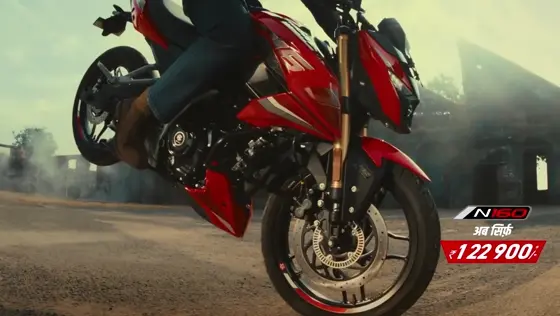
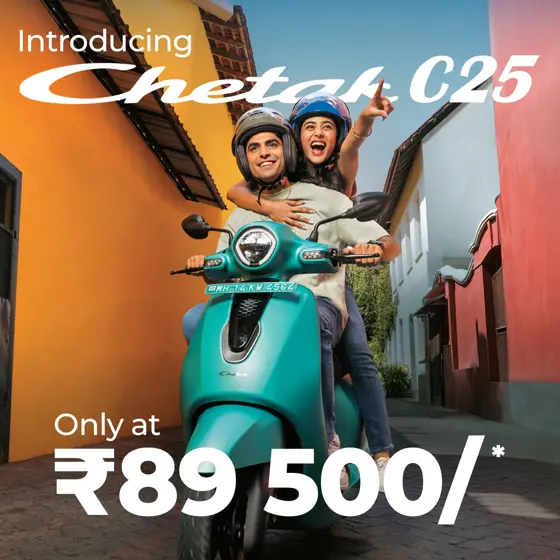
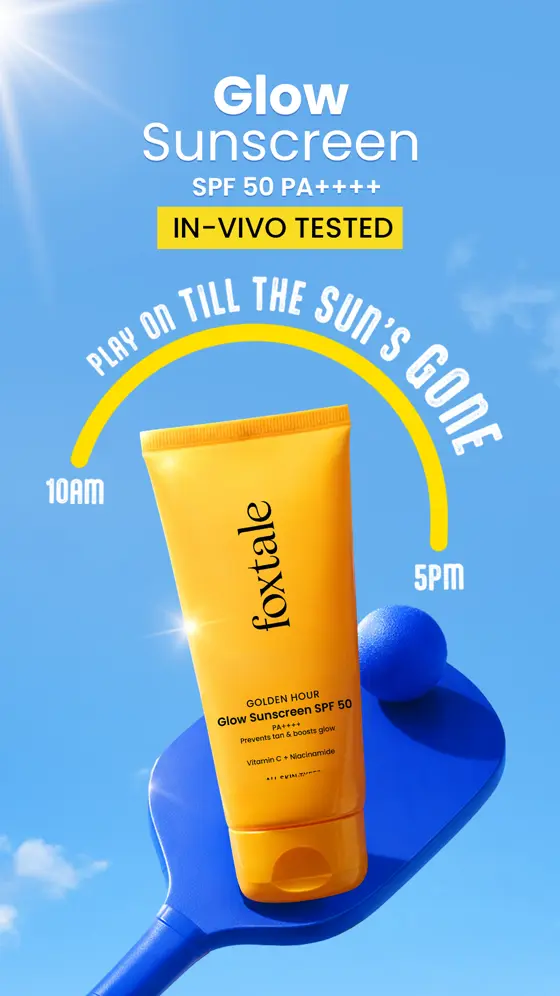
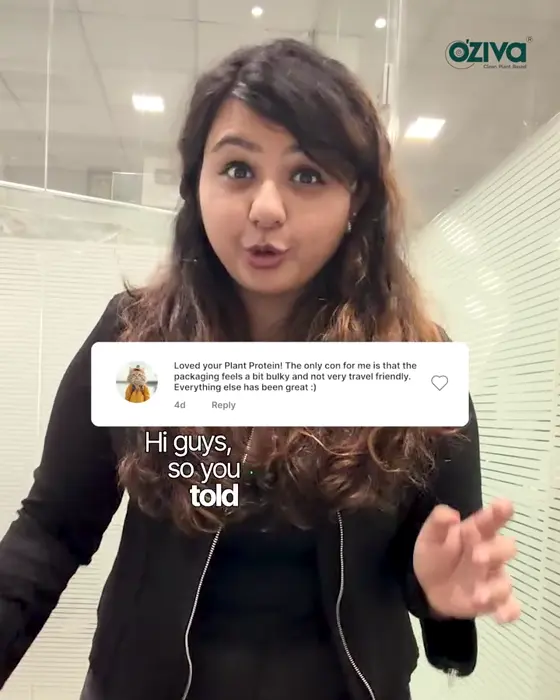
Announcement ads in the wild
15 real creatives carrying this format, drawn from across the advertisers analysed. Video entries show their opening frame.






Other formats
Sourced from public ad libraries. The source data carries no visual-format field, so this format is assigned by matching each creative's own description against the taxonomy's vocabulary, which makes the counts indicative rather than exact. Brand pages currently cover the two-wheeler and EV set for Aug 24, 2025 → Aug 24, 2026; the format count above spans every advertiser analysed.