What is the Text-led graphic ad format?
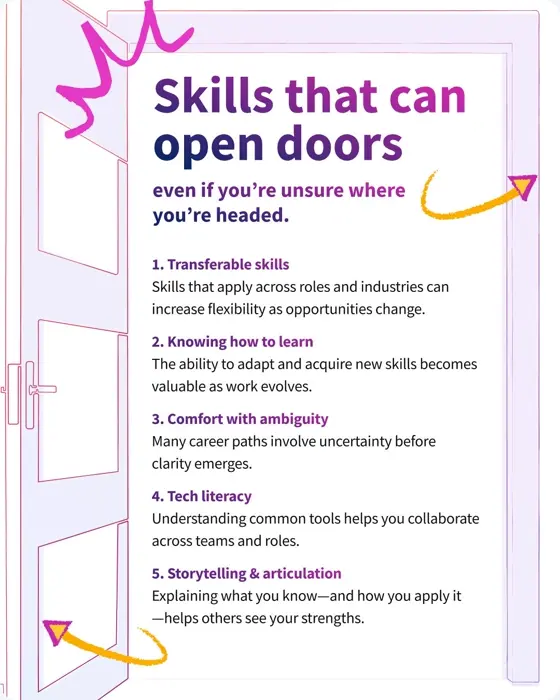
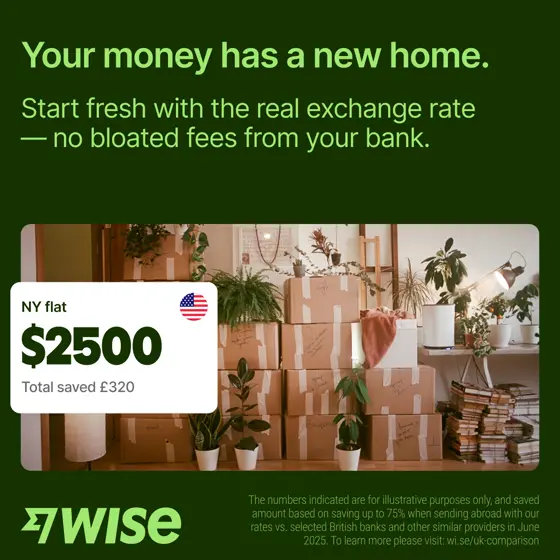
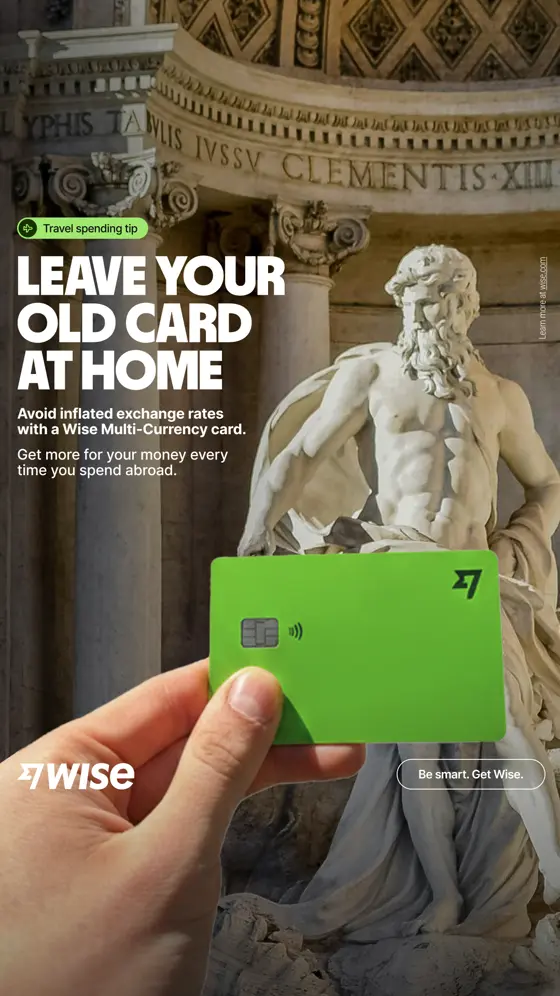
Typography and layout carry the message; imagery is support. It appears in 18,017 of the 7,00,232 classified creatives in this library, run by 489 different advertisers.
Typography and layout carry the whole message; imagery, if present at all, is support. The most purely static format in the library, and the fastest to produce, which is both its strength and the source of every bad habit it invites.
How it sits in the corpus
By volume this is the 12th largest of the 20 formats in the library: 3% of every classified creative carries it.
489 of the 1,103 advertisers analysed (44%) run it.
Depth per advertiser sits near the middle of the pack: about 37 creatives each, against a cross-format median of 49.
Its 9% video share is well below the corpus average of 64%, making it one of the few formats where static still carries most of the weight, and one of the cheapest to test at volume.
When to use it
Single-message pushes that have to read at a glance in a scroll.
A text-led graphic wins on reading speed: one message, set large, is absorbed in the half-second the feed allows before the thumb decides. There is no scene to parse and no video to commit to; the words are the creative, so comprehension and exposure are the same event. Set in consistent brand type, the format also compounds: the account's voice becomes visually recognisable before a single word is read.
Anatomy of a good one
The structural parts a competent text-led graphic always has, and what each is for.
A single claim, question or line. The format has no second act; anything that needs two sentences needs a different format.
The words large enough to be the image. Scale hierarchy is the format's entire visual grammar.
A ground colour and weight chosen to break the scroll's texture. The frame competes with photography and video using flatness as the differentiator.
The typeface, colour and composition consistent enough that the account is identified before the logo is found.
The reason the line stops a reader: a tension, a number, a reversal, a question. Typesetting a bland sentence large produces a large bland sentence.
Margin held around the words at the cost of type size if necessary. Display type needs silence to read as a statement; a line pushed to the edges reads as a leaflet.
Craft rules
- 01
Write the line first and judge it as writing; the format is copywriting wearing design, and no layout rescues a line with nothing in it.
- 02
Cut to one thought per frame. If the message needs sequencing, use a carousel and give each card one line.
- 03
Set a type system once and hold it; the format's compounding value is recognisability, spent every time the template drifts.
- 04
Reserve it for messages where words beat pictures: claims, questions, offers, positions. If the point is visible, show it instead.
- 05
Test legibility at thumbnail size and in both colour modes; a text ad that cannot be read has no fallback layer.
How it goes wrong
The paragraph poster: body copy typeset as a headline, which reads as homework and scrolls past unread.
Decorative type doing the work the words should: novelty faces and effects compensating for a line that says nothing.
Template sprawl: five type systems across one account, which forfeits the recognition that is half the format's return.
The shapes it takes
One label, several distinct executions. The variants are worth testing as separate ads, because the platform will price them differently.
One declarative line on brand ground. The core shape; the position stated plainly.
A customer's or founder's words as the graphic. Borrowed voice; overlaps testimonial at the cost of its proof.
The audience's own doubt typeset back at them. The strongest scroll-stopper of the set when the question is truly theirs.
The number and deadline as pure type. Offer-led's most efficient costume, and where the two formats blur.
When it wears out
Individual lines exhaust fast; the system should not. Hold the template steady and cycle the writing, and watch for the account-level tell: when saves and shares fall while impressions hold, the lines have gone generic, and the fix is in the writing room, not the layout.
What to run alongside it
Who runs this format
489 advertisers run this format. Of the brands with a page in this library, Coursera runs it hardest, with 696 creatives in this shape.
- Coursera696 creatives
- Western Union567 creatives
- Canva452 creatives
- Mathnasium405 creatives
- Wise400 creatives
- Stripe395 creatives
- Synthesis395 creatives
- Kumon325 creatives
- Kaagaz252 creatives
- Policybazaar193 creatives
- Russian School of Math190 creatives
- Indriya184 creatives
- Outskill164 creatives
- Xflowpay159 creatives
- MasterClass138 creatives
- Jeevansathi137 creatives
- Lovable135 creatives
- Superpower128 creatives
- Great Learning126 creatives
- Tataaia117 creatives
- Tata Neu108 creatives
- Aisle100 creatives
- BrightCHAMPS98 creatives
- Postly98 creatives
- Function Health83 creatives
- Caraway82 creatives
- Kolorshealthcare77 creatives
- Simplilearn71 creatives
- Healthians71 creatives
- OZiva64 creatives
- GoKwik64 creatives
- HDFC Life63 creatives
- Hinge57 creatives
- Kotak Neo55 creatives
- Vedantu54 creatives
- ICICI Prudential Life Insurance53 creatives
- Masters' Union48 creatives
- PayPal43 creatives
- Skydo43 creatives
- Oolka41 creatives
- Foxtale40 creatives
- Coding Ninjas39 creatives
- Bolt39 creatives
- Codingal38 creatives
- ASICS37 creatives
- Elevate Now36 creatives
- Kalyan Jewellers34 creatives
- CarWale32 creatives
- Paytm31 creatives
- Payoneer28 creatives
- Wint Wealth28 creatives
- Newton School27 creatives
- Zoomcar26 creatives
- Accor25 creatives
- Base4423 creatives
- 1mg22 creatives
- Varalife22 creatives
- Manmatters21 creatives
- Myjar21 creatives
- Frido21 creatives
- Sattva20 creatives
- Tinder19 creatives
- Aprilia19 creatives
- Intellipaat19 creatives
- Planetspark17 creatives
- Khan Academy17 creatives
- Replit17 creatives
- Joinditto17 creatives
- Myntra16 creatives
- Moxie Beauty16 creatives
- TamilShaadi16 creatives
- Prime Video14 creatives
- Mia by Tanishq13 creatives
- Radisson12 creatives
- Bajajauto12 creatives
- Jiraaf12 creatives
- Spotify11 creatives
- Arike11 creatives
- Dosti Realty11 creatives
- Func Lab11 creatives
- SBI life11 creatives
- Beardo9 creatives
- Nykaa Fashion9 creatives
- Hyatt9 creatives
- Borosil9 creatives
- VLCC9 creatives
- Telugushaadi9 creatives
- Angel One8 creatives
- GoodScore8 creatives
- Palmonas8 creatives
- Runwal Realty8 creatives
- Total Environment8 creatives
- Orange Health8 creatives
- Storytel7 creatives
- Payu7 creatives
- Pine Labs7 creatives
- Wellbeing Nutrition7 creatives
- Lodge7 creatives
- Our Place7 creatives
- P-TAL7 creatives
- IGP7 creatives
- Yamaha Motors India6 creatives
- Oberoihotels6 creatives
- The Derma Co.6 creatives
- Tramontina6 creatives
- Caratlane6 creatives
- BondScanner5 creatives
- Puravankara5 creatives
- Bella Vita5 creatives
- Daily Bhakti5 creatives
- ZEE54 creatives
- Urban Ladder4 creatives
- Tatacliq4 creatives
- CosMix4 creatives
- Minutes - Flipkart4 creatives
- FirstClub4 creatives
- ICICI Lombard3 creatives
- Honda 2 Wheelers India3 creatives
- Be Bodywise3 creatives
- Emma Mattress3 creatives
- The Indus Valley3 creatives
- EMORI3 creatives
- 5paisa3 creatives
- New Balance3 creatives
- JioMart3 creatives
- Ace Blend3 creatives
- Ajio2 creatives
- Made In Cookware2 creatives
- Bare Anatomy2 creatives
- GRIP2 creatives
- SKECHERS2 creatives
- Bigbasket2 creatives
- Suzuki2 creatives
- Pilgrim1 creatives
- Taj Hotels1 creatives
- Marriott1 creatives
- Traya1 creatives
- Wakefit1 creatives
- Ember Cookware1 creatives
- HexClad1 creatives
- ZET1 creatives
- WishCare1 creatives
- IndiaBonds1 creatives
- Solara1 creatives
- Kushals1 creatives
- edureka1 creatives
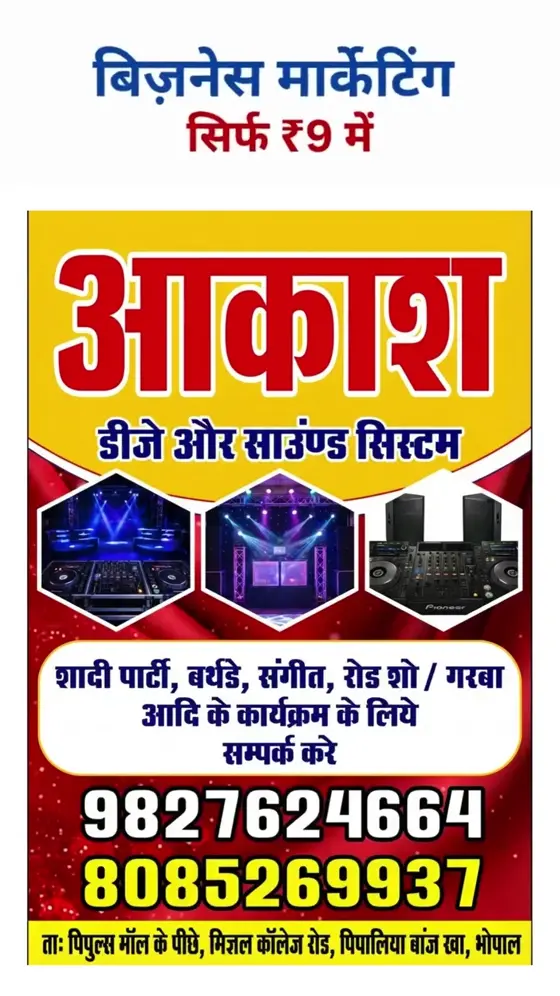
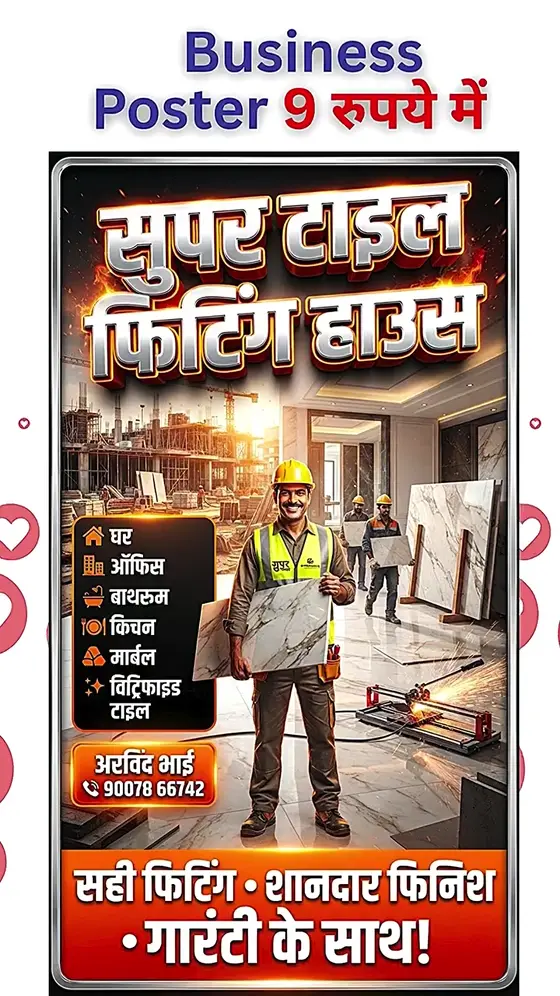
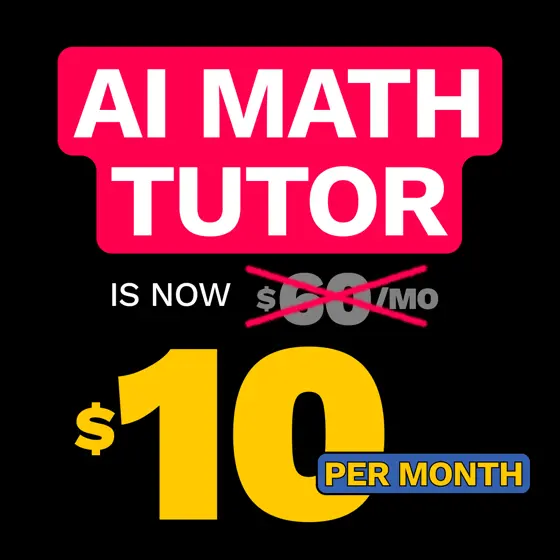
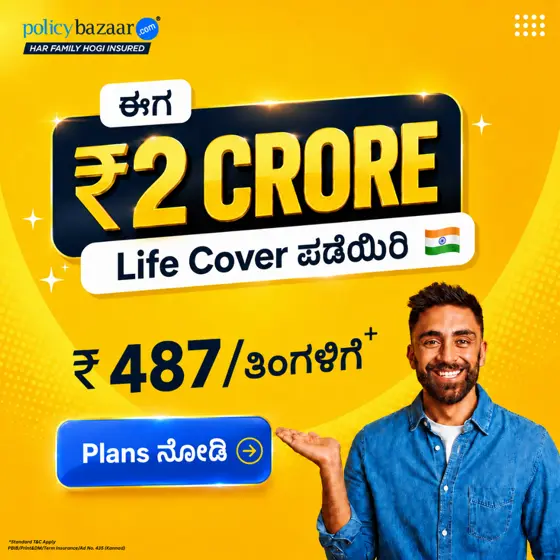
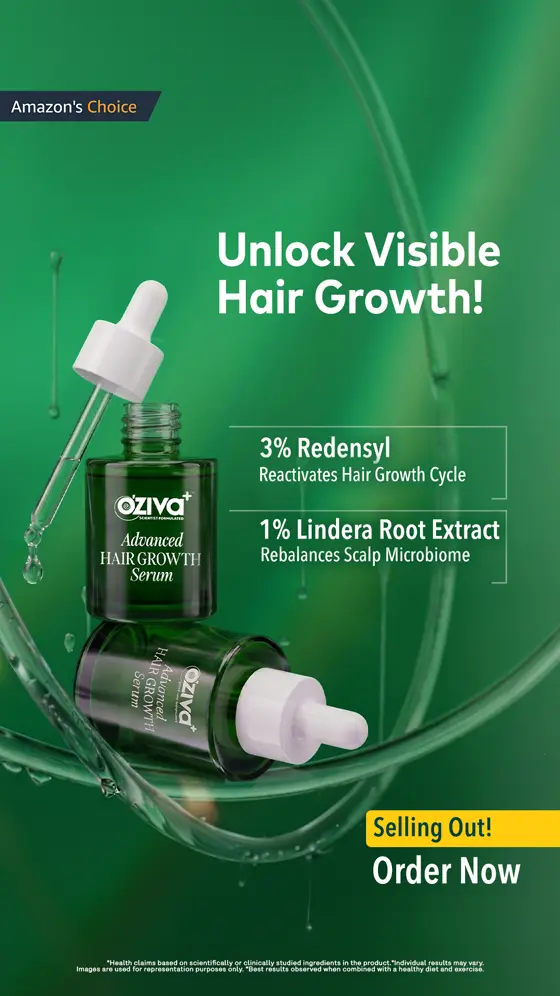
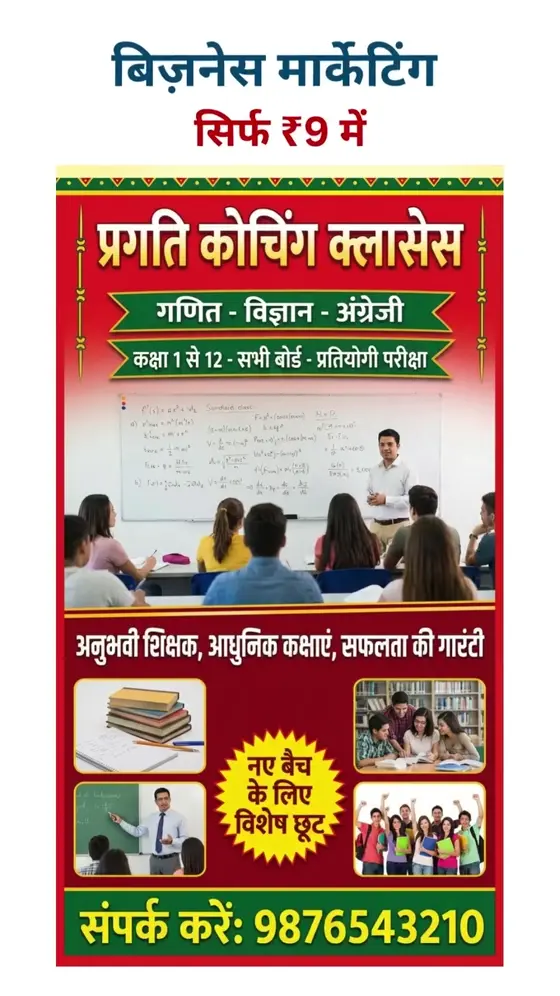
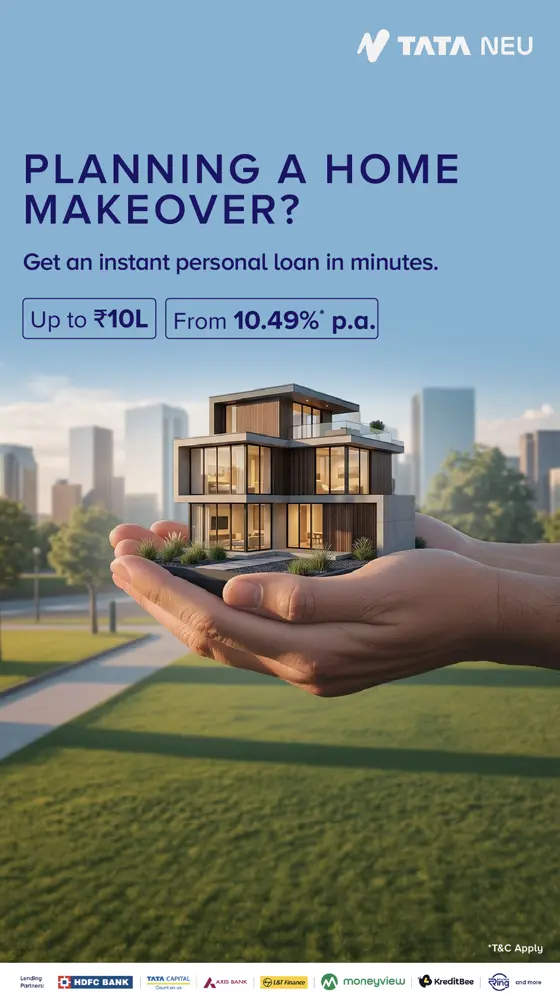
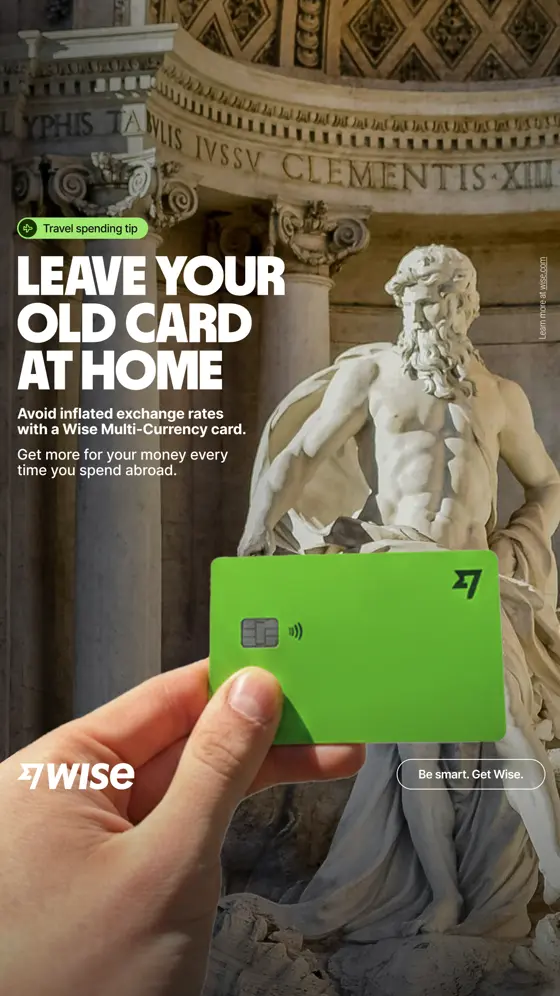
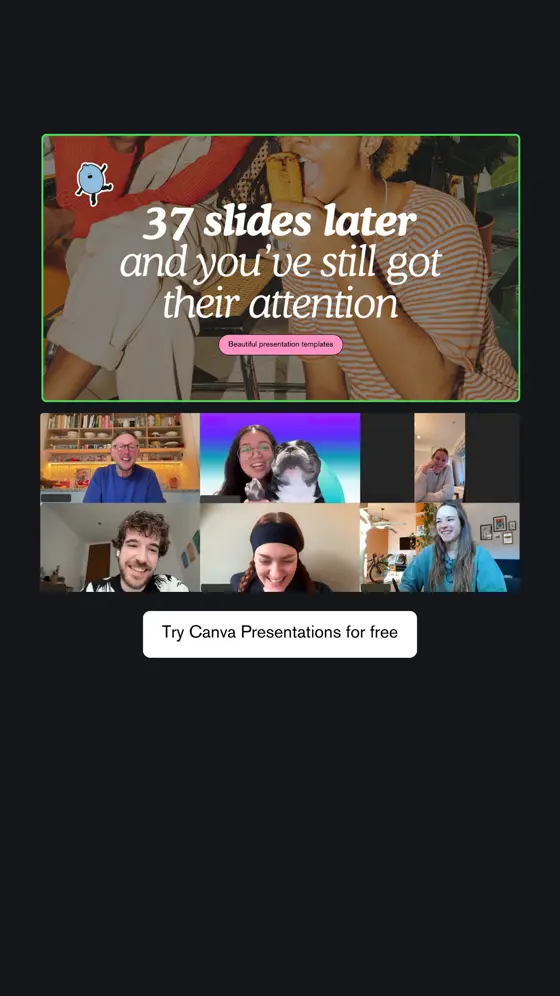
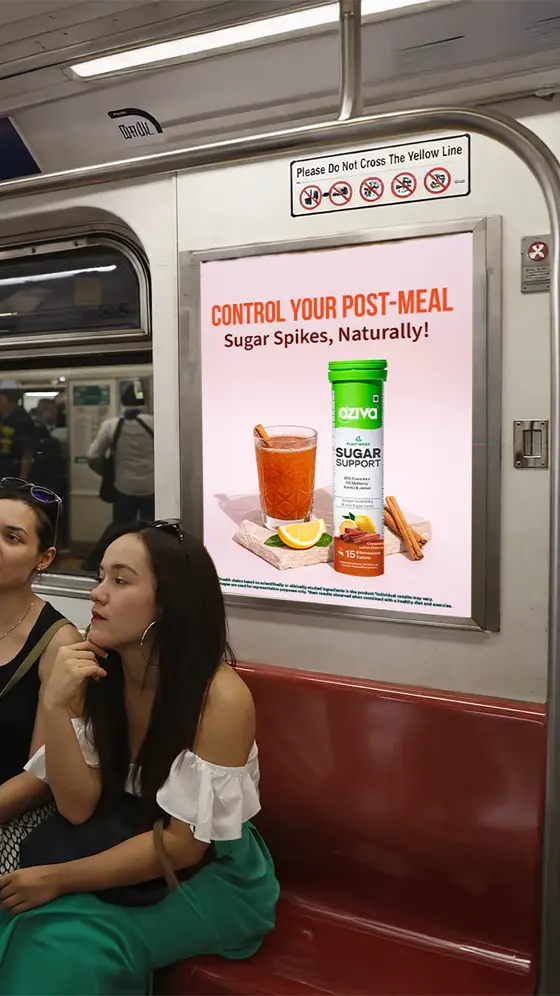
Text-led graphic ads in the wild
15 real creatives carrying this format, drawn from across the advertisers analysed. Video entries show their opening frame.

Other formats
Sourced from public ad libraries. The source data carries no visual-format field, so this format is assigned by matching each creative's own description against the taxonomy's vocabulary, which makes the counts indicative rather than exact. Brand pages currently cover the two-wheeler and EV set for Aug 24, 2025 → Aug 24, 2026; the format count above spans every advertiser analysed.